A narcissist rarely needs to lock the door when they control the bank card.
You check your balance and feel sick. You ask for money that’s partly yours. You say sorry for buying shampoo.
None of that is an accident.
Money is one of the quietest ways a controlling partner keeps you close. Many of the habits that keep you stuck were trained into you, one small rule at a time.
Here are 7 money mistakes that keep you stuck with a narcissist, and why they were never really your mistakes.
Why money works as a leash
Psychologists call it financial or economic abuse. In plain words, someone takes over, uses up or quietly wrecks what you earn and own.
Why does it work so well? With nothing in your own name, walking out the door gets much harder. That dependence holds you in place.
It seldom shows up as one dramatic scene. Research on coercive control describes lots of little rules and penalties piling up until your life feels smaller.
Read every ‘mistake’ below as a trap they built.
#1 Handing them control of every penny

The person who holds all the money holds most of the choices.
It often starts sweetly. “Let me deal with the bills, you’ve got enough on your plate.” Then the card moves to their wallet. The passwords change. A few months later you’re asking for petrol money.
Each step looks reasonable on its own. That’s exactly why it’s so hard to point at.
Sorting out a budget as a team is normal. The line is crossed when only one of you can reach the money and the other has to ask.
What does that do to you? Money starts to feel like a cage, and the space you live in shrinks.
One thing that helps, where it’s safe: an account and paperwork in your name only.
Your money. Your name on it.
#2 Explaining every coffee you buy
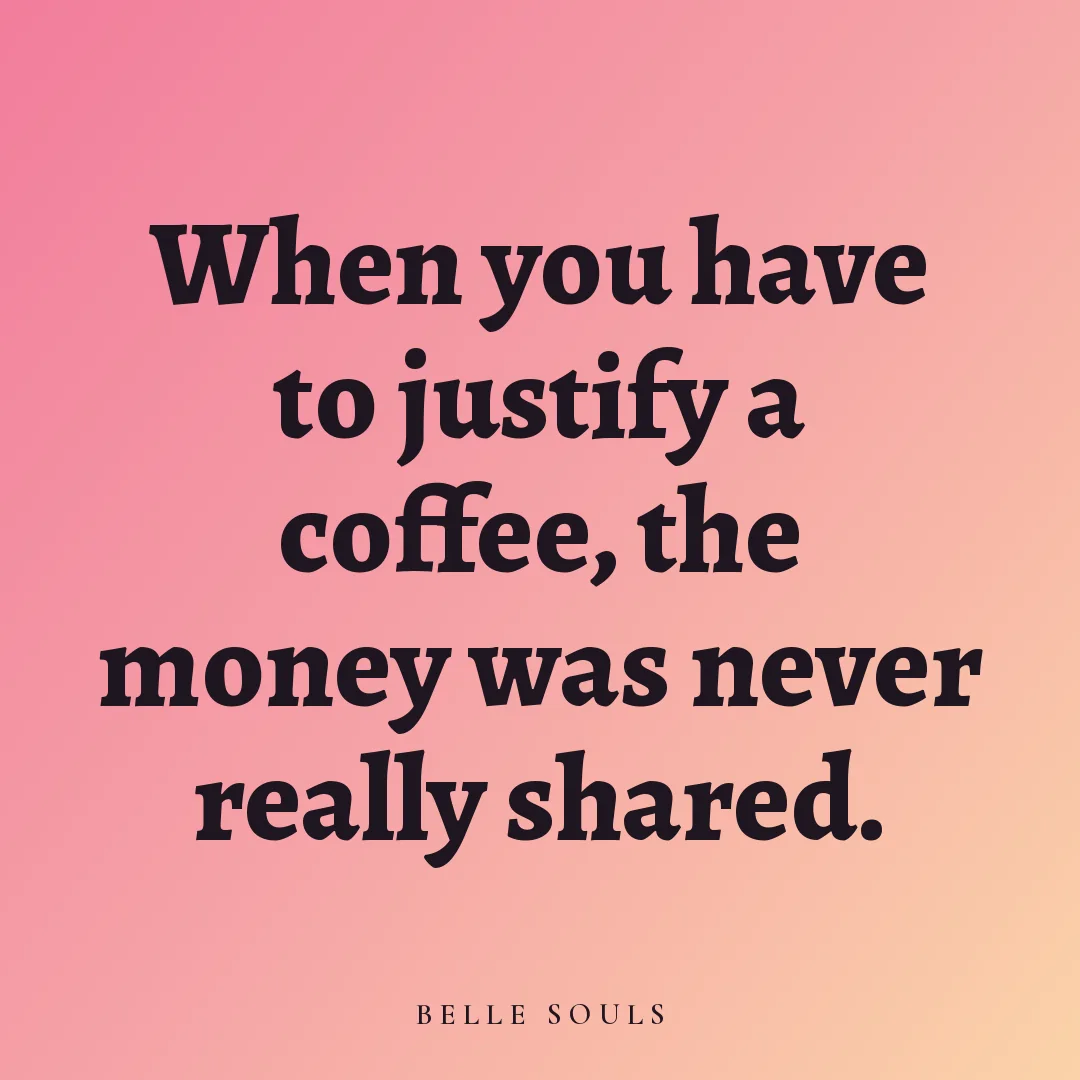
When you have to justify a coffee, the money was never really shared.
See also What Kind of Therapy Actually Helps After Narcissistic Abuse
You walk in with the shopping and the questions start at the door. “What’s this? Did we need it? How much was that?”
So you start hiding small things. The receipt goes in the outside bin. The new top stays in the car boot for a week.
That’s not you being sneaky.
It’s what happens when ordinary choices need permission. Coercive control runs on tiny rules and tiny penalties: the sigh, the lecture, the cold evening. Rules the two of you actually agreed on are a different thing.
You’re an adult asking permission to be one.
So when did buying lunch start feeling like a confession?
#3 Lending money that never comes back
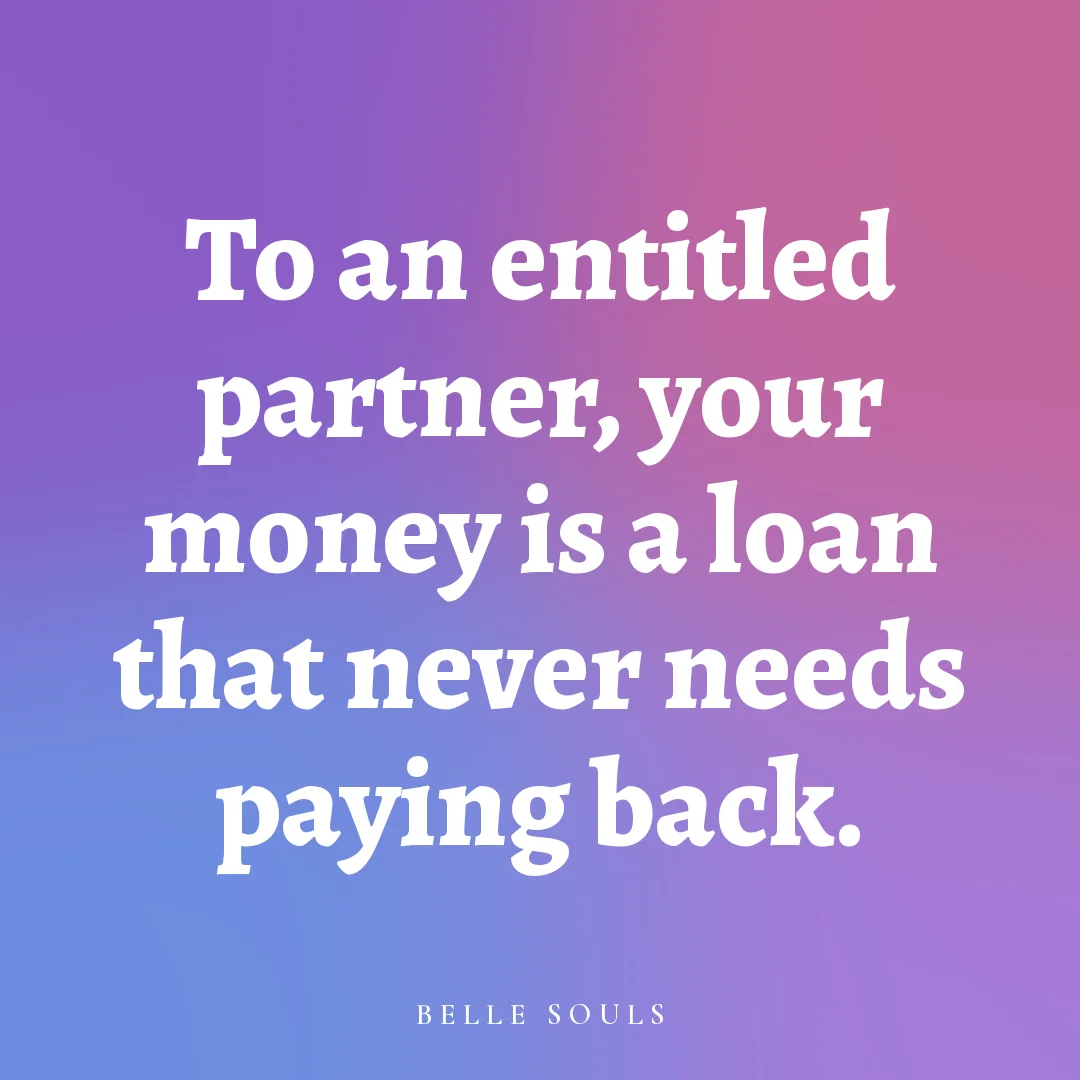
To an entitled partner, your money is a loan that never needs paying back.
It’s two hundred for the car. Then the phone bill. Then “just till Friday.” Friday comes and goes, and when you mention it, they act wounded. “Wow. I didn’t know we were keeping score.”
Why? Research on entitlement describes people who feel owed more than everyone around them, and who treat rules as something for other people. So asking for your money back lands like an insult.
That’s how the giving gets lopsided. You hand over more, get back less, and even asking for what’s fair feels like declaring war.
Wanting your own money back isn’t greedy. Entitlement is when someone brushes your needs aside completely.
One quiet thing that helps: a private note of everything you hand over. Dates, amounts, what it was for.
Paper doesn’t forget the way they do.
#4 Paying to make the guilt stop
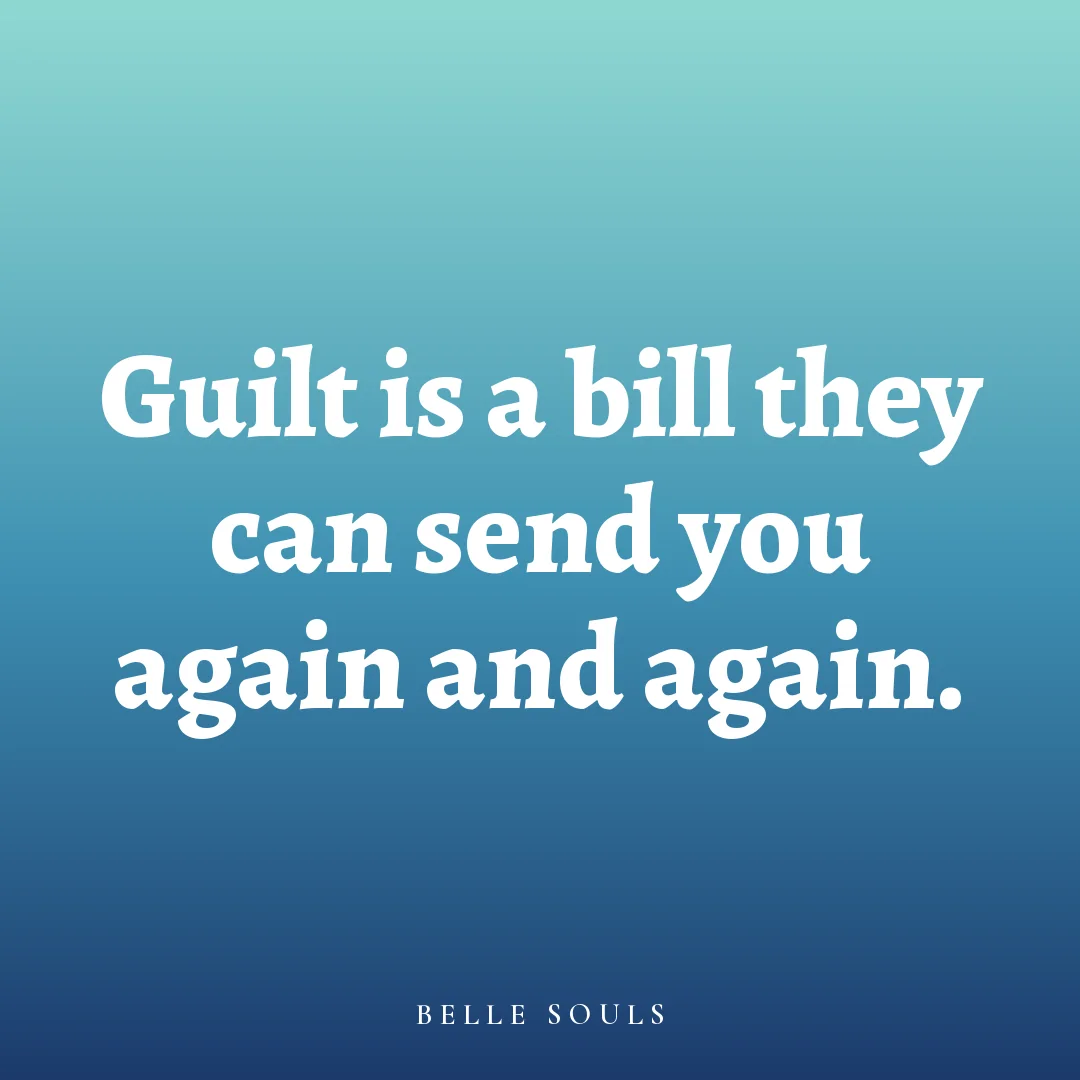
Guilt is a bill they can send you again and again.
You say no to paying for their weekend away. They go quiet. Then comes the line: “After everything I’ve done for you?”
Two days later, you’ve paid. Relieved, somehow.
There’s a popular name for this: FOG, short for fear, obligation and guilt. It’s a nickname rather than a diagnosis. It describes emotional blackmail, where giving in starts to feel cheaper than saying no.
See also 8 Things That Protect Your Kids When You Co-Parent With a Narcissist
Researchers who study coercive control describe the same squeeze: little pressures stacking up until your freedom is gone.
Over time, yes comes out on autopilot. Their moods start to feel like your job, and your bank account pays for them.
Next time a request comes wrapped in guilt, wait a beat before you answer. Their feelings are real to them. They’re still not your bill.
#5 Shrinking your job so they feel big

Your pay rise can feel like a threat to someone who needs to feel superior.
You get the promotion and text them first. The reply is “Cool.” At dinner it becomes “Must be nice to get handed things.”
So next time you don’t mention it.
Research links envy with narcissism, especially the quieter, vulnerable kind. Your success can poke at their need to feel on top, so they may shrink it, take credit for it or spoil it.
With money, spoiling can look like a fight the night before your interview. Or endless complaints about your late shifts until you cut your hours.
Slowly, your independence gets smaller too.
A moment of envy is human. Using it to pull you down is the pattern. Watch who goes quiet when you win.
#6 Waiting on the house they keep promising
A future that never arrives can cost you more than any bill.
The house by the sea. The joint business. The wedding “once things calm down at work.” You’ve already picked paint colours in your head.
Meanwhile your savings go into the present: their car, their debts, their next big idea. And when you ask about the plan? “I never said this year.”
Online, this gets called future faking. It’s a popular term with no official definition. It means rich, detailed promises that keep you putting in, while nothing is ever meant to happen.
Shared plans tie you in. After you’ve poured money into that future, leaving feels like losing it too. Research on game-playing in relationships also links narcissism with lower commitment, which fits.
See also 9 Ways a Narcissist Controls Your Money Without You Noticing
So you wait.
Look at what has really happened so far. What has been built, apart from their plans?
#7 Counting the years you’ve already paid in
The money you’ve already lost can quietly vote for staying.
You do the maths at 2am. The deposit you put in. The loan you took for their debts. Ten years of your wages in that house.
Leaving would mean it was all wasted. Right?
Psychologists call this the sunk cost effect. You keep paying in because quitting would seem to throw away everything you’ve given.
It sits alongside cognitive dissonance: the strain of believing ‘they love me’ and ‘they hurt me’ at once. To ease it, you explain away the bad parts.
That’s why decisions feel impossible.
One question cuts through the noise: what will the next ten years cost? Past money is spent. Your future isn’t.
If you saw yourself in more of these than you’d like, that isn’t a flaw in you. These habits were built around you, bit by bit.
Start with one thing. One record of your own. One trusted person who hears the full story. If money and safety are tangled together, a domestic abuse service can talk it through with you.
Your money was never the problem. Their grip on it was.