Narcissistic abuse can be difficult to explain because so much of it happens quietly.
You may remember the look, the silence or the cutting joke, yet still wonder whether you are overreacting.
You may also spend more time examining your response than the behavior that hurt you.
That confusion is not proof that nothing happened.
A healthy relationship can include mistakes, disagreements and bad moods without making you afraid to speak.
When control, humiliation and blame become a pattern, the pattern matters.
Here are ten examples, what may be driving them and practical ways you can protect your reality, choices and safety.
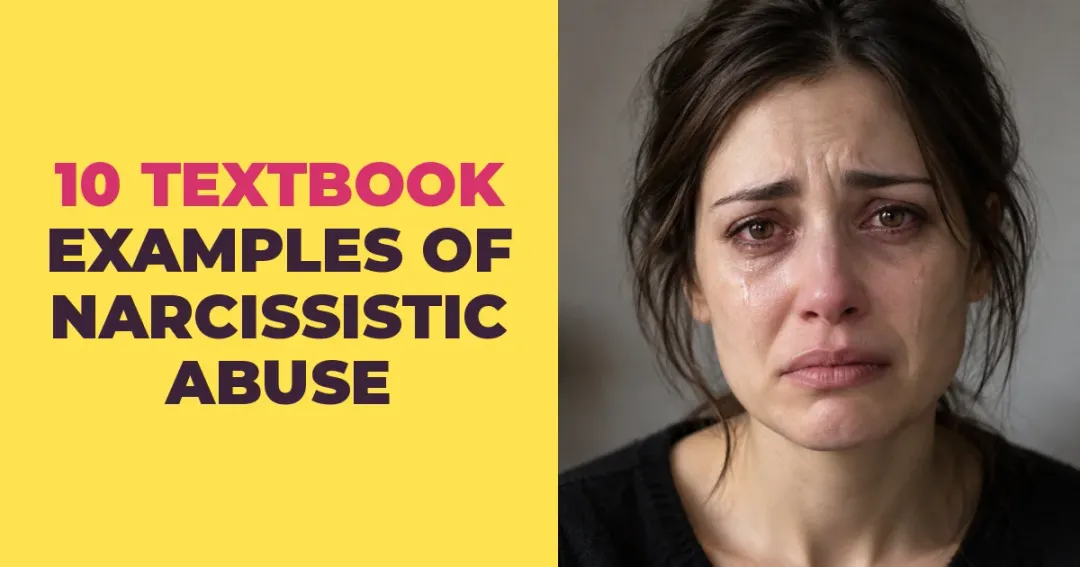
Narcissistic abuse is still abuse
Abuse does not have to leave a visible injury. It can be a repeated effort to frighten, confuse, isolate or control you until your needs barely appear in the relationship.
Perhaps you choose every word carefully because a harmless question may trigger rage. Maybe you cancel coffee with a friend because the punishment afterward feels unbearable. You are technically free to go, but every choice carries a price.

The individual moments may look small from outside. Together, they can change how you live: you doubt your memory, hide ordinary decisions and monitor another adult’s mood before checking your own.
Labels can help you understand a pattern, but you do not need to diagnose anybody to take your experience seriously. Look at what repeatedly happens, how it affects you and whether your boundaries are respected.
If you feel frightened or controlled, support is appropriate now. You do not have to wait for something worse.
#1 They rewrite what you saw
You remember the insult clearly. They deny saying it, insist you misunderstood and confidently retell the evening with you cast as the aggressor.
Picture standing in the kitchen after a family dinner. You mention the comment they made about your job. Instead of addressing it, they say you always invent drama and ask whether you have been sleeping properly.
See also 11 Ways Narcissistic Abuse Changes How Your Brain Works

One disputed memory is not automatically manipulation. The warning sign is a repeated process that leaves you distrusting your senses while their account is treated as unquestionable fact.
Rewriting events helps them escape responsibility and retain control of the story. If you are busy proving that something happened, the original harm never gets discussed.
Record important incidents somewhere private and safe. Include dates, words and any messages you already possess. Speak with a trusted person who does not report back to them.
You do not need to win a debate about your memory. If it feels safe, you can say, “That is not how I remember it,” end the exchange and make decisions from the pattern you have observed.
#2 The beginning felt like a movie
The early attention can feel breathtaking. There are constant messages, elaborate plans and declarations that nobody has ever understood them as you do.
Within weeks, they may discuss marriage, living together or a shared future. When you ask to slow down, the warmth disappears. Suddenly you are cold, damaged or afraid of love.

This intensity creates attachment before you have seen how they handle disappointment, limits or ordinary boredom. Later, you may tolerate mistreatment while trying to recover the extraordinary person from the beginning.
Excitement alone is not abuse. The clearer test is whether affection remains respectful when you choose your own pace. Genuine closeness has room for uncertainty, separate friendships and the word no.
Keep your normal routines while a relationship develops. Delay financial commitments, shared housing and other hard-to-reverse decisions until behavior has been consistent over time.
Notice what happens when you say, “Not yet.” Their response to a boundary often tells you more than a hundred romantic promises.
#3 Eye-rolls replace real answers
Criticism in an abusive pattern is not a respectful request about one behavior. It becomes a running verdict on your intelligence, appearance, family, work and worth.
You ask whether household jobs can be shared more evenly. They laugh, copy your voice and say even a child could manage what you do. At dinner, they repeat the joke so other people can join in.
See also The Creepy Things Narcissists Do When Nobody Is Watching

Contempt keeps you beneath them. If you feel foolish before the conversation begins, you are less likely to question unfairness or expect a thoughtful answer.
Over time, you may stop sharing ideas, start apologizing before you speak and check their face to see whether your opinion is acceptable.
Compare their complaint with a healthy one. Does it describe a specific problem, allow your reply and leave your dignity intact? Or does every subject become evidence that something is wrong with you?
You can end conversations that become degrading. Write down recurring insults and reconnect with people who knew you before your confidence began shrinking. Their contempt is behavior, not an accurate description of you.
#4 Their jokes land on you

A cruel joke gives them two rewards: your discomfort and an escape route. If you object, they claim you are humorless, oversensitive or determined to ruin the evening.
Imagine drinks with friends. They tell everyone about a private fear you shared after a difficult night. The table becomes awkward, but they grin and say, “Relax. I was only joking.”

Playful teasing is mutual and stops when somebody is hurt. Weaponized humor targets tender places, creates an audience and makes your reaction the supposed problem.
They may use it to establish superiority or test what you will tolerate. If you laugh to keep the peace, the subject often becomes more personal next time.
You do not have to prove that the joke was objectively offensive. If speaking up feels safe, you might say, “Do not use that story for entertainment.” Otherwise, step away and tell someone privately.
Then watch the response. A caring person may feel embarrassed, but they adjust. Someone invested in control may dismiss your pain, blame your sensitivity and continue the behavior.
#5 Days of silence as punishment
There is a difference between taking time to calm down and using silence to make you suffer. A healthy pause is explained, limited and followed by a return to the conversation.
See also Do These 3 Things and a Narcissist Will Start to Respect and Fear You
Punishing silence feels different. After you disagree about weekend plans, they speak pleasantly to everyone except you. Messages go unanswered. They walk around you at home until you apologize simply to become visible again.

The uncertainty encourages you to chase, plead and surrender the original issue. They do not need to state a rule; your distress teaches you not to challenge them again.
Try not to bargain endlessly for ordinary communication. Continue necessary routines, contact somebody supportive and note when the silence began and what preceded it.
You might send one practical message: “I am available to discuss this respectfully tomorrow.” After that, protect your energy.
If silence comes with blocked access to money, transport, medication or help, treat the situation as control rather than a communication problem. Seek confidential support and plan around your safety.
#6 A simple question starts a war
You ask whether the rent was paid. Minutes later, doors are slamming and you are being accused of spying, nagging and never appreciating anything.
The size of the reaction changes the subject. Instead of getting an answer, you must defend your character or calm the room. Eventually, you rehearse simple questions and scan for the safest time to ask them.

Whatever drives the rage, it shifts attention away from the unanswered question and can discourage you from asking again. It can also train you to stop requesting information that affects your own home, money or future.
Anger is human. Intimidation, threats, reckless driving, cornering you or breaking objects are not normal conflict skills. Do not try to settle the factual issue while you are frightened.
Move toward an exit if you safely can. Keep a phone and keys accessible, and avoid rooms where you could become trapped or where weapons are present.
If leaving immediately would increase danger, focus on getting through the moment rather than making a point. A domestic abuse service can help you create a plan suited to your circumstances.
#7 Your world keeps getting smaller
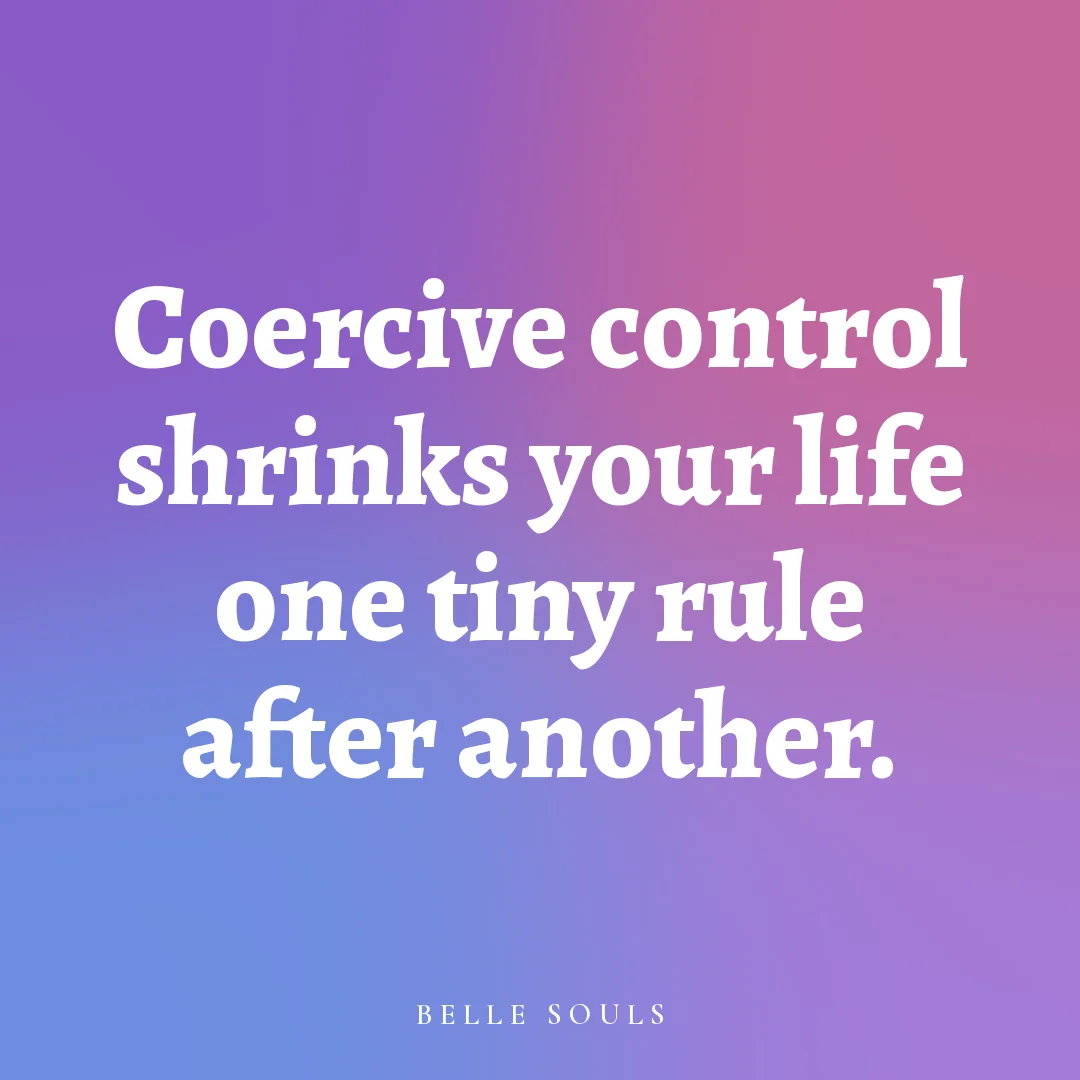
Isolation often arrives disguised as concern. Your friend is supposedly jealous, your brother is disrespectful and your colleague clearly wants to damage the relationship.
Then every visit produces consequences. They sulk before you leave, message throughout dinner and interrogate you afterward. Staying home becomes easier than paying the emotional price.

Control may spread to clothes, work, spending, passwords and transport. One restriction can sound petty; together, they make independent choices almost impossible.
Isolation removes witnesses and practical options. Without outside perspectives, their version of events becomes harder to question. Without money or transport, leaving becomes harder to imagine.
Rebuild connection carefully. Contact one trustworthy person, preferably through a device or account the controlling person cannot access. Create neutral reasons for regular contact if secrecy is necessary for safety.
Keep copies of vital documents and important numbers somewhere secure. Do not announce a leaving plan if you fear retaliation. Quiet preparation is not dishonesty; it is protection.
#8 Guilt keeps you saying yes
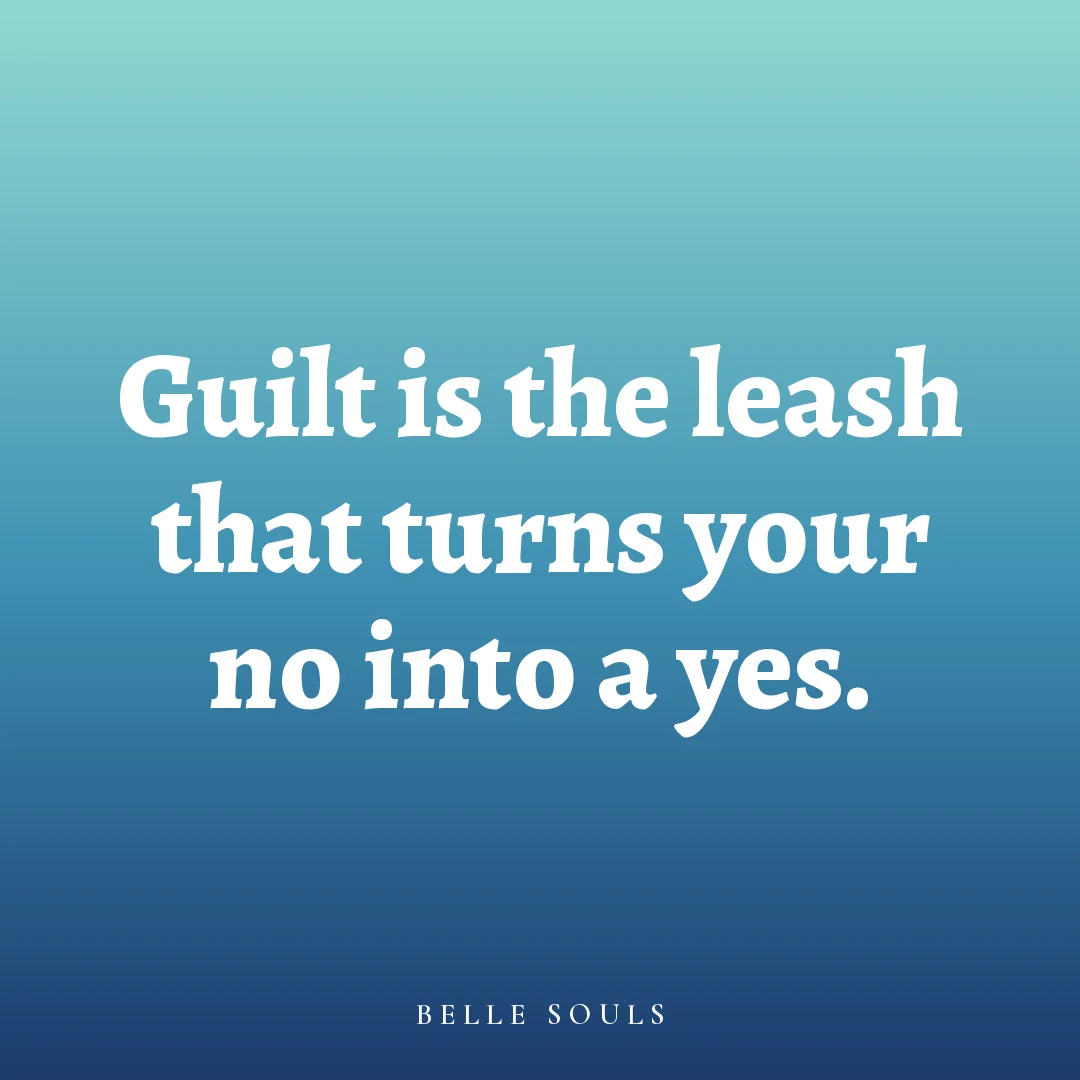
Guilt becomes controlling when every boundary is presented as betrayal. Their sacrifice is counted carefully, while your needs are treated as selfish extras.
You plan an afternoon with your sister. They sigh, mention everything they have done for you and predict how lonely they will be. Soon you cancel, although they never directly ordered you to stay.

This works because you care. They turn empathy into an obligation to manage their disappointment, rescue them from consequences and prove your loyalty repeatedly.
Notice whether gratitude is being used like debt. A loving act does not purchase permanent control over your time, body, money or relationships.
Create a pause before answering requests. “I will think about it and tell you tomorrow” gives you space to hear your own preference.
You may still feel guilty when you say no. That feeling does not mean the boundary is wrong. If refusal brings threats, stalking or punishment, stop treating it as a persuasion problem and seek safety advice without revealing your plans.
#9 Kindness shows up at random
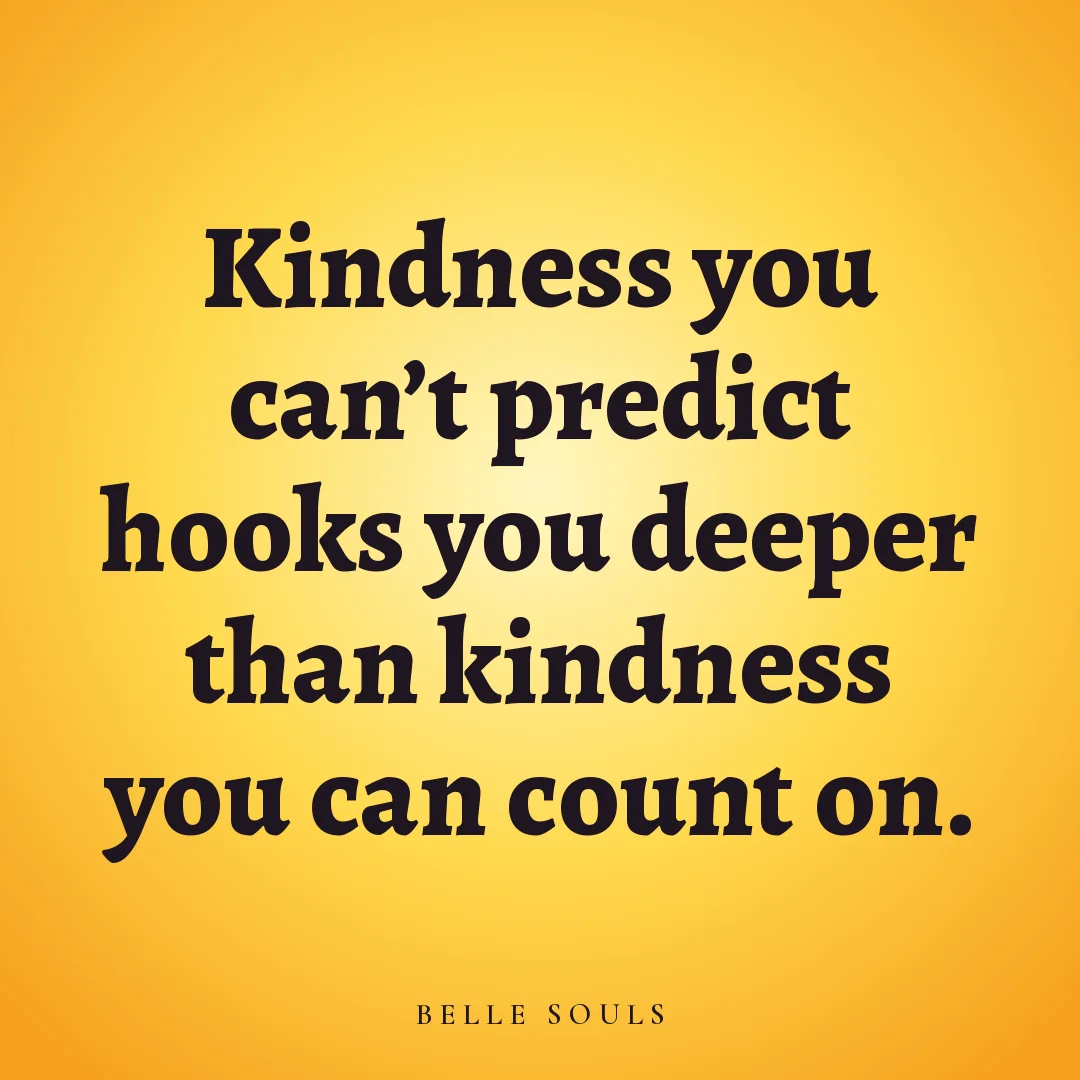
One morning they bring coffee and call you wonderful. That evening they barely acknowledge you. After several cold days, affection suddenly returns as though nothing happened.
Unpredictable warmth can keep hope working overtime. You search for the right tone, meal or mood that might bring the loving version back.

Because the reward cannot be predicted, you may invest more effort rather than less. A rare tender evening then feels especially powerful, even when the ordinary week remains painful.
Look beyond the latest good moment. Track several weeks privately and note respect, fear, insults, apologies and whether promises produced lasting change.
Ask yourself about the typical day. Can you raise a concern without paying for it later? Are you kind because you choose to be, or because you are trying to prevent the next withdrawal?
Kindness matters, but it does not erase control. Judge change by steady behavior, accountability and respected boundaries, not gifts or a short return of affection after harm.
#10 The calm never lasts
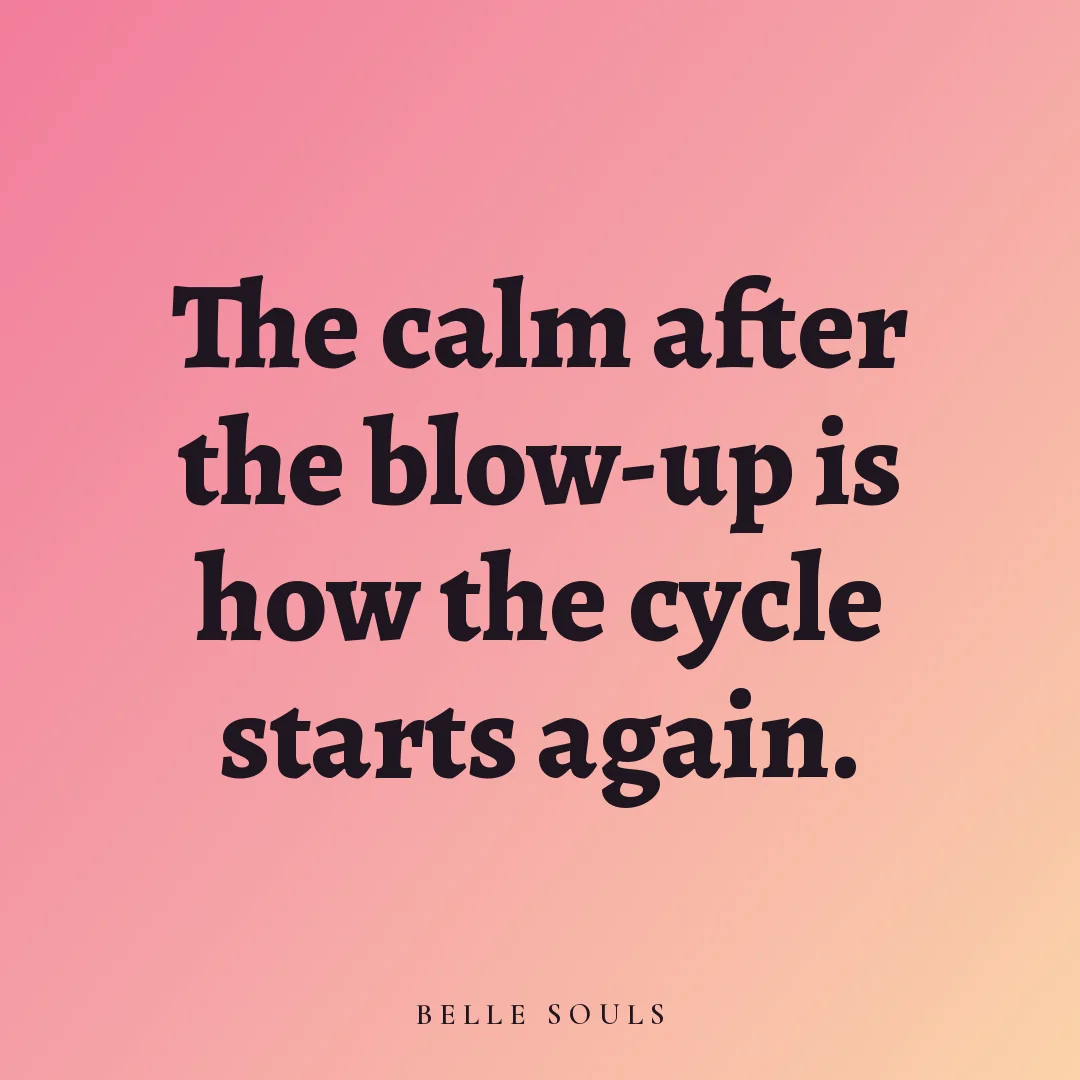
The cycle may begin with tension you feel before anything obvious happens. Their footsteps sound sharper, ordinary mistakes irritate them and everyone adjusts to the atmosphere.
Then comes the incident: rage, degradation, threats, disappearance or another form of punishment. Afterward, they may cry, apologize, give gifts or promise that this was the final time.

The peaceful period restores hope. It can also make the previous harm feel distant, especially when you desperately want the relationship to work.
What matters is not how convincing the apology sounds. Does the harmful behavior stop? Do they accept responsibility without blaming you, respect your boundaries and seek sustained change themselves?
Mark incidents and calm periods on a private calendar. Patterns become easier to see when they are not competing with today’s relief.
Leaving can be a process, not a single brave moment. If the pattern includes intimidation or control, get confidential advice before announcing a decision. Separation can be a dangerous period, and careful planning is a strength.
Why do ordinary decisions start feeling impossible?
When everyday choices repeatedly lead to criticism or punishment, you may begin treating each one like a test. Even deciding what to wear, whom to call or when to run an errand can require careful planning.
You may mentally rehearse explanations, predict their mood and choose whatever seems least likely to cause fallout. The decision itself is no longer the hardest part; managing their possible reaction is.

This can leave you feeling indecisive, even though you make choices all day. Much of your energy is being spent calculating risk instead of considering what you actually want.
Start with one low-risk decision that does not require their approval. Notice your preference before imagining their response, and discuss larger choices with someone safe.
If independent decisions could trigger danger, do not announce them simply to prove that you can. Plan privately, preserve practical options and seek confidential support.
Difficulty choosing does not mean you are incapable. It may show how much pressure has been attached to ordinary freedom.
Why do you end up feeling like you are nothing?
Repeated criticism can become an inner voice. After hearing that you are incapable, unattractive or lucky to be tolerated, you may begin rejecting opportunities before anybody else can.
Perhaps a manager praises your work, but you hide the message because you expect ridicule at home. Their opinion has started outranking evidence from the rest of your life.

Making you feel replaceable can discourage resistance. If you believe nobody else would care for you, leaving, asking for help or even imagining a different future feels risky.
Borrow a steadier view until your own returns. Keep kind messages, list decisions you handled well and spend time with people who do not require you to shrink.
Avoid measuring your worth through their rare approval. Their praise may reflect whether you are useful or compliant in that moment, not who you are.
Confidence often returns through small independent actions. Make one choice, complete one task and let it belong to you without requesting their verdict.
Why is everything somehow your fault?
Blame shifting moves attention away from their conduct. They shouted because you asked at the wrong time. They lied because you are suspicious. They embarrassed you because you made them angry.
This reasoning confuses a trigger with responsibility. Your question may have caused discomfort, but each adult remains responsible for how they respond.

Review the sequence plainly. What did you do? What did they choose to do next? Would you consider their response acceptable if it happened to a friend?
You can acknowledge your genuine mistake without accepting invented responsibility. Being late might deserve an apology. It does not make intimidation, insults or punishment reasonable.
Watch for apologies that reverse direction: “I am sorry, but you forced me.” The second half cancels accountability and predicts that the behavior can happen again whenever they feel provoked.
You are allowed to improve your behavior and still recognize theirs as harmful. Those truths can exist together.
Why do silence, drama and fallout follow your boundaries?
A boundary reveals that you are a separate person. Someone who expects control may experience your independence as disobedience and create enough fallout that surrender feels easier.
You decline an event. They stop speaking, cancel shared plans or tell relatives you are unstable. The punishment becomes larger than the original decision.

This does not mean you expressed the boundary incorrectly. Sometimes there is no perfect wording because the objection is to your right to choose.
Keep boundaries short and practical. Avoid giving ten reasons that can each become a new argument. Then decide what you will do if the behavior continues.
With a safe person, that might mean leaving the conversation. With a controlling or violent person, visible enforcement may increase risk. Use quiet safety measures and outside support instead.
A boundary is not a tool for forcing someone to behave. It is information about what you will participate in, provided you can act without endangering yourself.
Why do they become the victim and then try to pull you back?
When you create distance, the story may change quickly. The person who dismissed your pain suddenly appears devastated, helpless or transformed.
They may send long apologies, promise therapy, recall private memories or create an urgent problem only you can solve. If that fails, anger and accusations may return.

The switch can feel convincing because it touches your compassion and the hopeful memories from earlier. Yet distress about losing access to you is not the same as accountability for harming you.
Look for sustained actions: specific responsibility, no pressure for immediate forgiveness, respect for distance and change that continues without your supervision.
You do not owe contact because someone is upset. Ask a trusted person to screen messages, adjust privacy settings and preserve threatening communications.
If they threaten to harm themselves, contact emergency or crisis support where appropriate rather than becoming their only responder. You can take a threat seriously without returning to an unsafe relationship.
Why do other people think they are so nice?
Public charm and private cruelty can exist in the same person. They may be generous at gatherings, calm in messages and skilled at offering help where others can see it.
Behind closed doors, the tone changes. If you speak up, they may tell friends that you are unstable, ungrateful or abusive. Some people believe the polished version because it is the only one they know.

Trying to correct every rumor can consume you and create more openings for conflict. Share concise facts with people whose support matters, then let consistent behavior speak where it can.
Save relevant messages and review shared accounts, passwords and location access. If false claims could affect children, housing, work or legal matters, seek qualified local advice rather than fighting publicly.
Someone appearing pleasant does not disprove what happened in private. Abuse often survives precisely because the person can control when others see it.
You do not need unanimous belief before protecting yourself.
What you can do
Put immediate safety first
If you fear an escalation, move toward a safer place and contact emergency help where available. Keep essential medication, keys, identification and a charged phone accessible when doing so is safe.
Do not announce plans that could trigger retaliation. A domestic abuse service can help you assess risk and plan confidentially, even if you are uncertain about leaving.
Create a private record and support circle
Document dates, messages, financial restrictions and threats somewhere they cannot access. Tell at least one trustworthy person what has been happening and agree on a simple way to signal that you need help.

Check whether devices, cloud accounts, vehicles or shared plans expose your location. Use a safer device if you suspect monitoring.
Choose your next step without pressure
You may reduce contact, seek counseling for yourself, obtain legal information or plan to leave. You do not need to make every decision today.
Focus on the next safe, realistic action. Support should strengthen your choices, not pressure you into confrontation. Leaving, staying temporarily while preparing and asking for help are all valid responses to a complicated situation.
The bottom line
Narcissistic abuse is not defined by one rude comment or imperfect argument. It is the repeated pattern: your reality is denied, your world narrows, accountability disappears and peace depends on your compliance.
You do not need a diagnosis, a dramatic final incident or everybody else’s agreement to take that pattern seriously.
Trust what consistent behavior shows you. Preserve connections outside the relationship, plan carefully and seek confidential support if control or fear is present.
You are not required to keep proving your pain to the person causing it. Your safety, dignity and right to a life of your own are reason enough to seek support or make a change.