Something in your own home feels off, but you cannot quite name it.
A drawer stays locked. A phone disappears. Your keys turn up somewhere you already checked.
You ask a simple question and somehow end up defending your memory, your spending or your right to privacy.
That confusion matters, especially when small incidents keep forming the same unsettling pattern.
Not every hidden object proves manipulation, and a personality label cannot explain someone’s behavior by itself.
But secrecy combined with denial, monitoring or control deserves your attention.
Here are five disturbing things that may be hidden or moved around your home, what those discoveries can mean and how you can respond safely.
Why does the house become part of the control?
Your home contains the ordinary details of your life: what you buy, whom you call, when you sleep and where you keep important papers.
For a controlling person, those details can become useful. Moving an object creates confusion. Hiding money limits your choices. Watching a room reveals conversations you thought were private.
The house also offers cover. Visitors may see a clean kitchen and a charming host, while you experience locked cupboards, unexplained devices and rules that change without warning.

One strange discovery may have an innocent explanation. What matters is the pattern around it.
Are reasonable questions met with calm answers, or contempt and blame? Can you access shared information, or does one person control everything? Do you feel free at home, or do you constantly adjust your behavior to avoid consequences?
Those questions are more useful than trying to prove a label. No diagnosis is required before taking your own discomfort seriously.
What does this secrecy do to you?
Repeated secrecy can make you live like a detective in a place where you should be able to rest.
You may check the hook twice after hanging your keys. You may rehearse a question before asking it. You may photograph a bill because you fear it will disappear before morning.
See also 8 Things Narcissists Do on Vacation That Ruin Every Trip
Over time, your attention shifts from your own life to managing another person’s reactions. You stop asking whether their behavior is acceptable and start asking whether you can prove it beyond doubt.

That is why these hidden things are disturbing even when the object itself seems ordinary. A spare phone, cash envelope or camera is not automatically abusive. Its meaning depends on how it is used and what happens when you notice it.
If the discovery is followed by punishment, intimidation, financial restriction or relentless denial, focus on your safety rather than winning an argument.
You are allowed to seek support based on the effect the behavior has on you. A confession is not required before you protect your privacy, documents, money or peace.
#1 Your things move when you aren’t looking
Your charger vanishes from the bedside table. The passport you placed in a folder appears under a stack of towels. Your keys turn up on the shelf you searched twice.
When you ask about it, the answer is immediate: you are careless, forgetful or becoming impossible to live with.
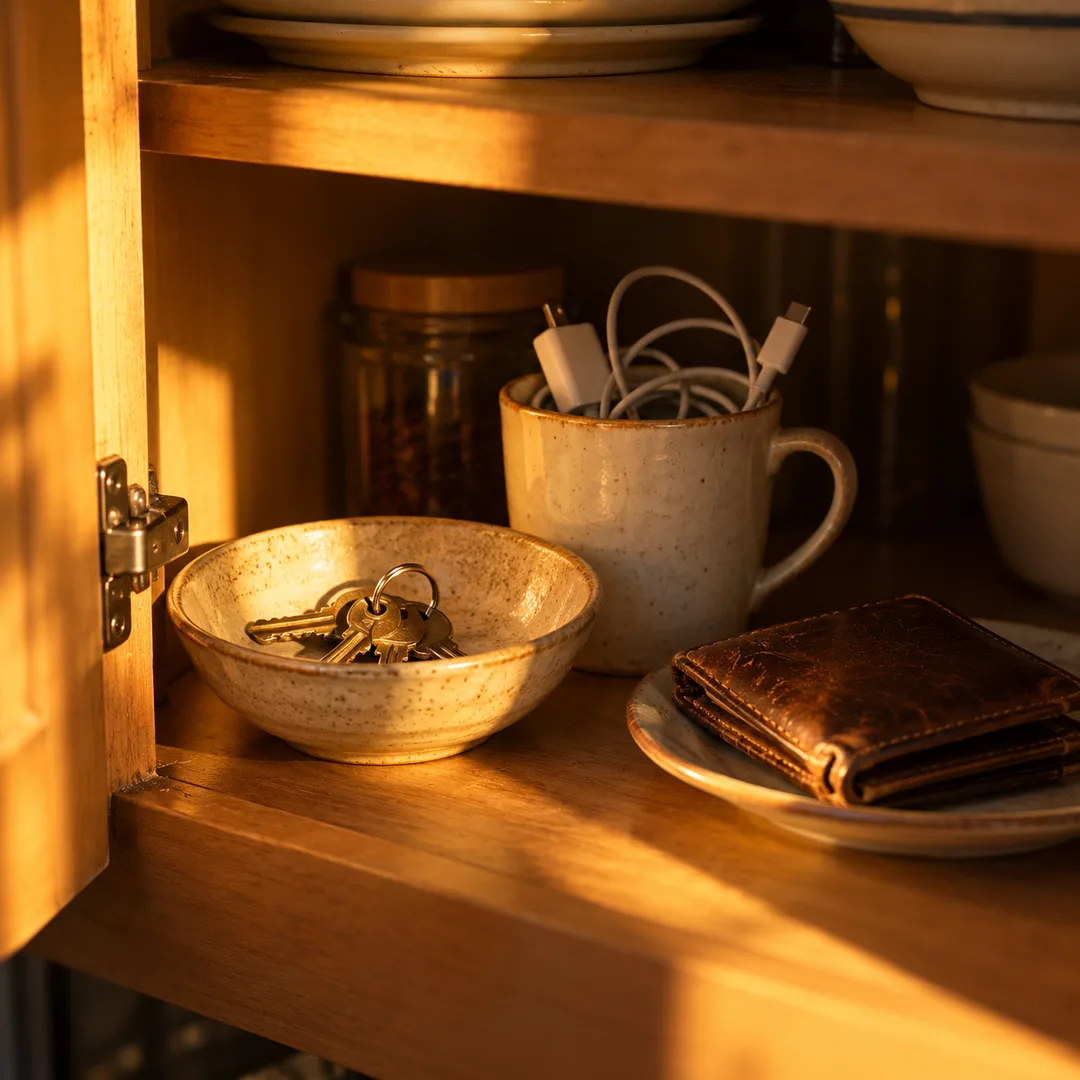
Picture a morning when you are already late for work. You empty your bag, check every pocket and finally borrow a key. That evening, your missing key is back on its usual hook, and the other person smirks when you mention it.
Moving possessions can create inconvenience, but the deeper effect is self-doubt. If someone can make you question what you clearly remember, their account of other events becomes harder to challenge. The pattern may leave you searching, apologizing or depending on them for the item.
Ordinary forgetfulness happens. The warning sign is a repeated pattern paired with ridicule, impossible explanations or objects reappearing in places you already checked.
Record incidents somewhere they cannot casually access, if doing so is safe. Note the date, object and last place you saw it. Keep essential duplicates with a trusted person rather than setting a trap or announcing that you are documenting events.
See also 8 Dirty Tricks Narcissists Pull Once They Realize You See Through Them
Your goal is not to catch them dramatically. It is to protect your functioning and keep hold of your own reality.
#2 There’s a second phone somewhere
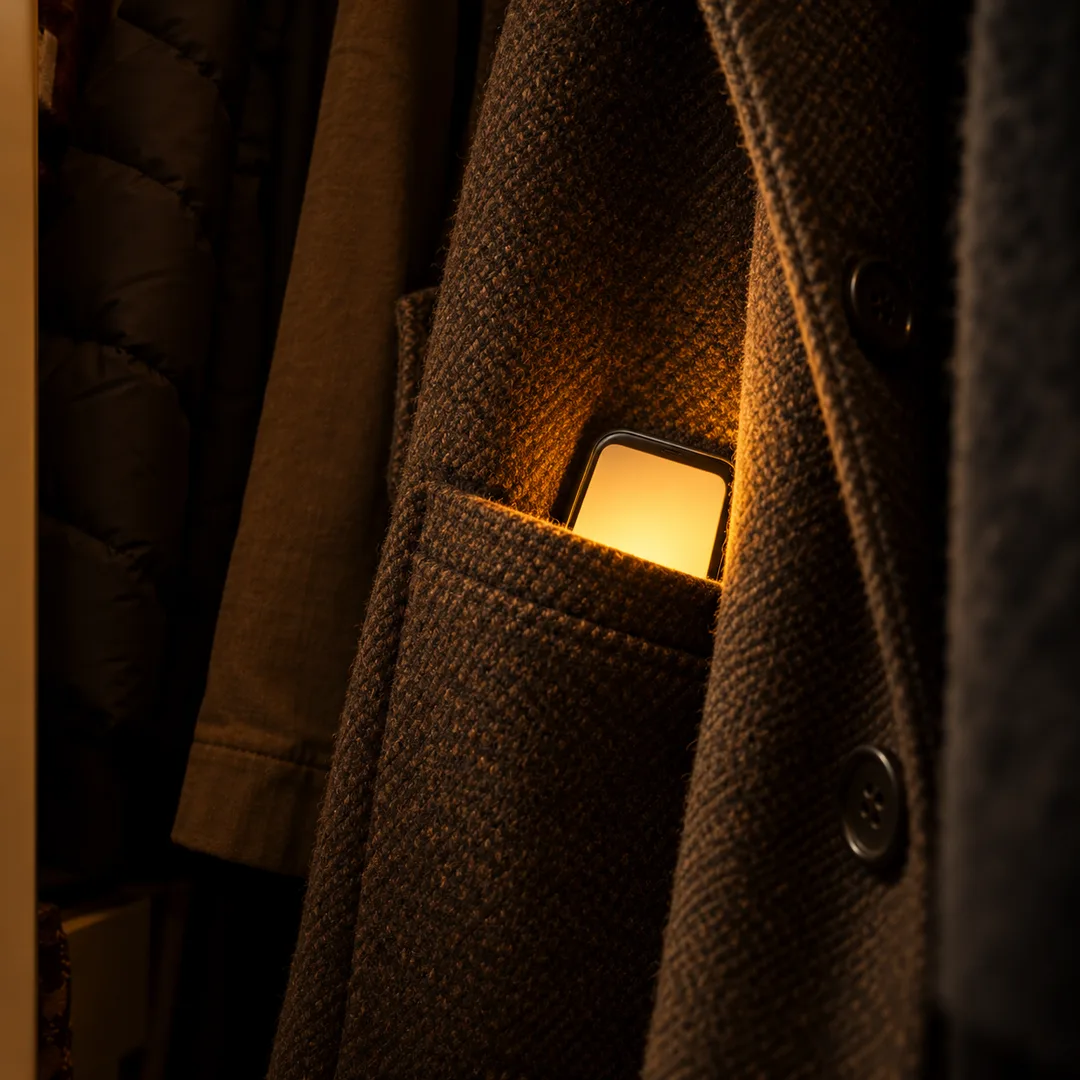
The second phone may live in a glovebox, gym bag or coat pocket. It stays silent around you but seems to travel everywhere with them.
You discover it when a jacket buzzes. They call it an old work phone, then accuse you of spying before you have even asked another question.
There are legitimate reasons to have two phones. The concern is the surrounding secrecy: changing stories, erased messages, unexplained absences or demands for access to your devices while theirs remain untouchable.
A hidden phone can preserve a separate audience. It may hold flirtation, secret accounts, financial activity or conversations that support a carefully managed public image. For someone who craves attention and avoids accountability, separate channels make it easier to present different versions of themselves to different people.
You may feel an urge to unlock the phone immediately. Pause and consider what discovery could trigger, especially if this person has threatened, intimidated or monitored you before.
Acknowledging broken trust does not require breaking into a device. Write down what you personally observed, secure your own accounts and speak to someone outside the relationship.
If shared health, money or housing may be affected, quietly seek appropriate professional guidance. Make decisions from verified facts and your own safety needs, not from the explanation you feel pressured to accept.
#3 The money they swear isn’t there

You are told there is no money for medicine, transport or new shoes. Every ordinary purchase becomes a hearing in which you must prove that you deserve it.
Then you find cash inside a toolbox, an unfamiliar bank card in a coat or statements from an account you never knew existed.
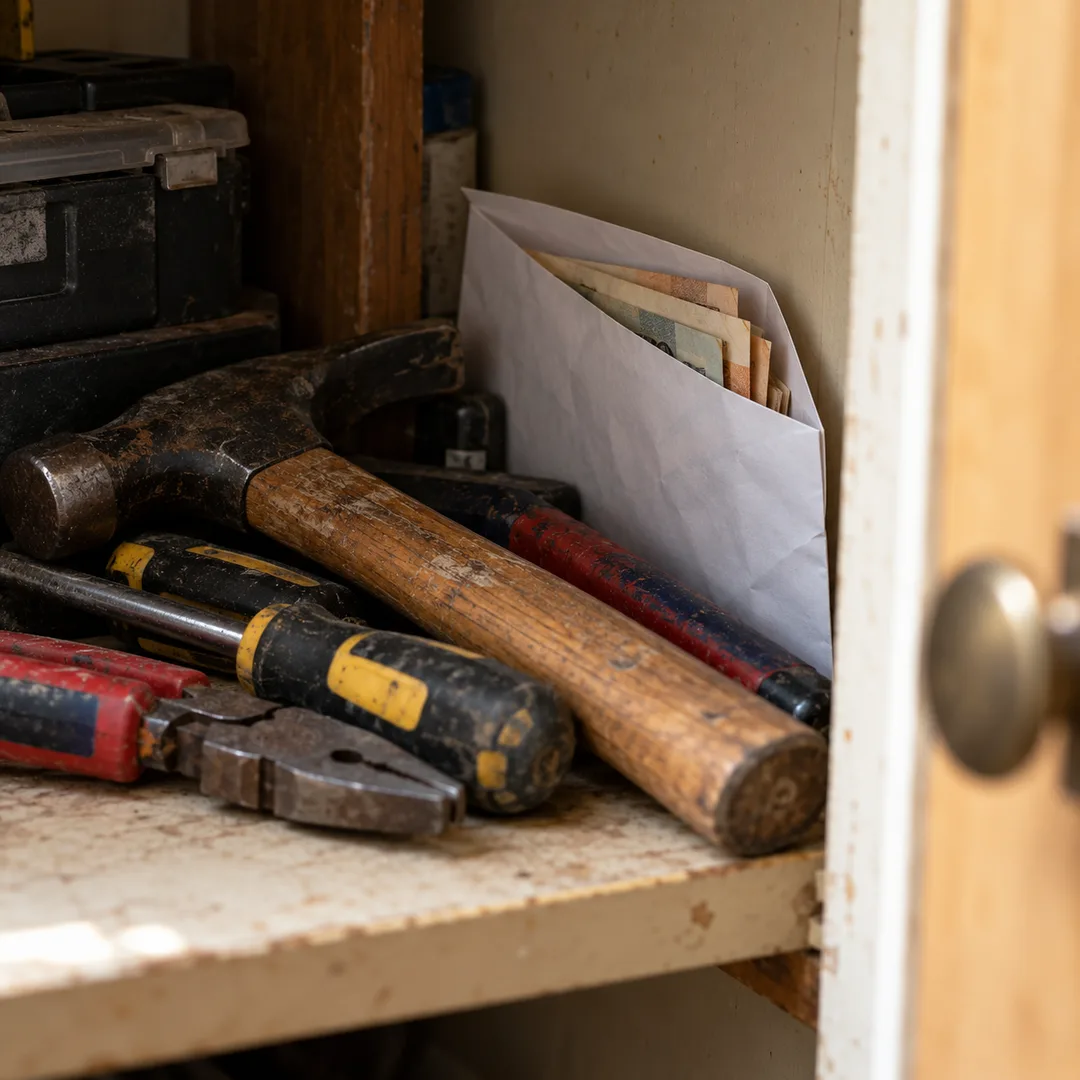
Imagine being scolded for buying groceries while the other person secretly saves enough for a private trip. The issue is not merely that they kept cash. It is that false scarcity was used to restrict you while preserving freedom for them.
See also 10 Things Narcissists Hate Watching You Enjoy
Hidden money can create leverage. When one person controls the accounts, passwords and financial story, the other may struggle to leave, obtain advice or even get to work. You may begin asking permission for essentials while they spend without explanation.
If it is safe, gather copies of documents you already have a right to access, including identification, shared bills and account information. Check your credit through the official service available where you live, and consider opening an account at a different institution using a safe mailing and email address.
Do not make a sudden financial move if it could expose you to danger. A domestic abuse advocate or qualified financial adviser can help you think through timing, privacy and local rules.
Your need for independence is not selfish. Money should not be used to make your choices disappear.
#4 A camera that’s really watching you
A camera points toward the sofa rather than the door. A smart speaker appears in a room without discussion. Somehow they know who visited and how long your phone call lasted.
When you object, they say it is for security and ask what you have to hide.
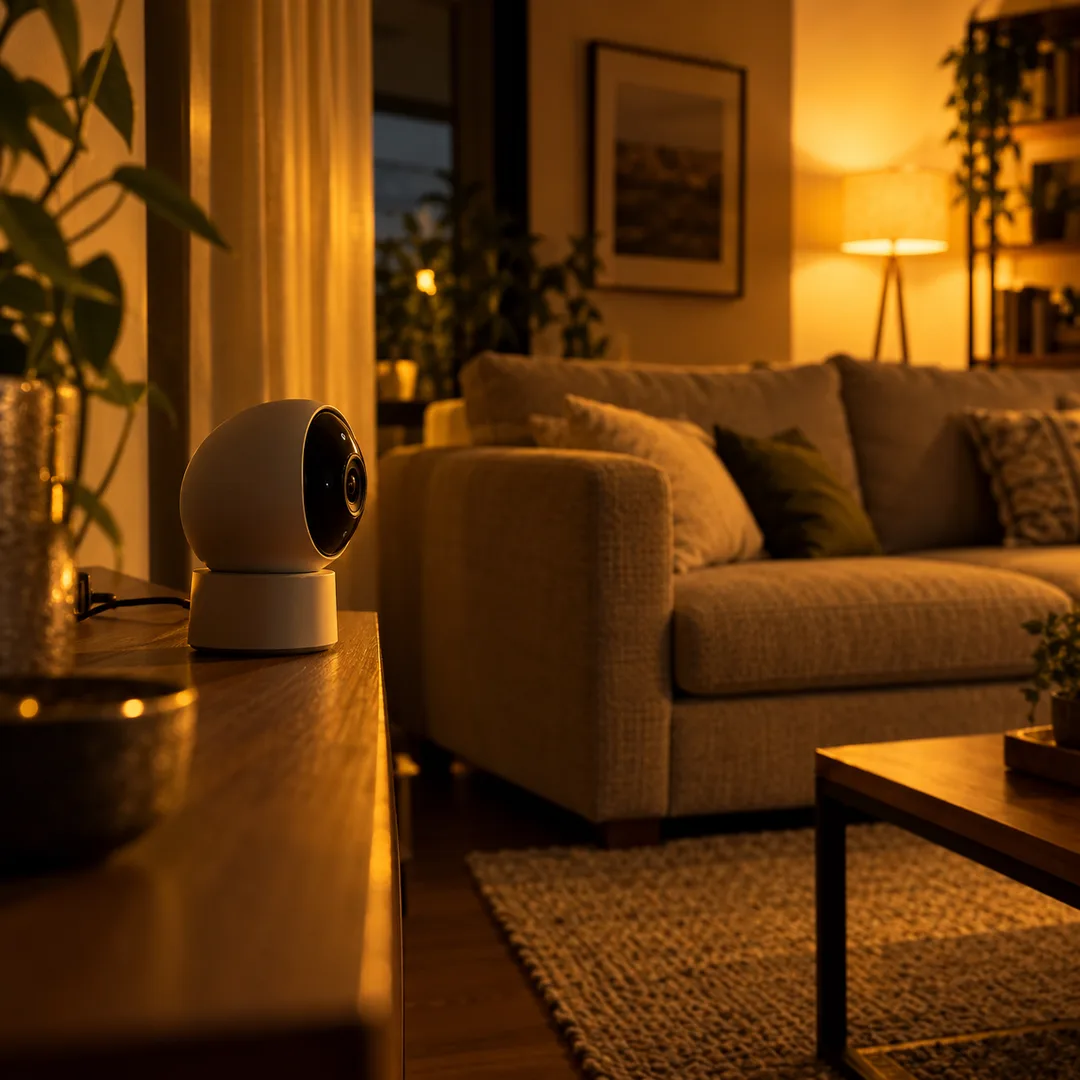
Consider the difference between a doorbell camera that everyone understands and an indoor device one person controls. Shared security has agreed boundaries. Surveillance makes you behave as if you are always being inspected.
The purpose may be information, intimidation or both. Knowing where you sit, whom you call and when you leave allows a controlling person to question ordinary choices. Eventually, the possibility of being watched can control you even when no one is checking.
If you find a device, resist the urge to destroy or disconnect it immediately. Some systems send alerts, and a sudden change could reveal what you know.
Use a safer device outside the home to contact a domestic abuse service or a trusted technology professional. They can help you consider account access, connected devices and evidence without increasing your risk.
Laws about recording vary by location, so obtain local legal guidance if needed. Whatever the legal position, you are allowed to recognize that secret monitoring has violated your sense of safety.
#5 A file on your whole life
The file may contain screenshots from your worst arguments, photographs of journal pages, old medical letters or notes about moments when you were exhausted and upset.
Nothing includes the apology that came later, what provoked the exchange or the calm months around it. The selective collection can create a damaging story that leaves out important context.

Perhaps you discover a folder labeled with your name after a disagreement about custody, housing or money. Soon afterward, a relative repeats a private sentence that only appeared in one of those saved messages.
Selective records can be used to frighten you, discredit you or recruit other people into a conflict. Someone focused on protecting their image may collect your most vulnerable moments while leaving their own behavior undocumented.
Do not assume you must produce a larger counter-file or persuade every mutual friend. Preserve relevant communications lawfully, keep your responses brief and factual, and move sensitive conversations to a safer channel where possible.
Change passwords from a device you believe is secure. Review shared cloud storage and account recovery options. For legal, workplace or custody concerns, get advice suited to your location before changing access or deleting anything.
A curated file is not your whole life. It is one person’s selected version, created without the fuller context surrounding those moments.
Am I overreacting to something that could be innocent?
You may be tempted to judge each incident separately. Keys move. People keep spare phones. Cash gets tucked away for emergencies. Cameras protect homes.
Any one of those explanations may be true.

The clearer question is what happens around the discovery. Does the person answer reasonable questions consistently? Do they care that you feel unsettled? Can you agree on boundaries without being mocked, threatened or punished?
Healthy privacy does not require making you doubt your senses. A respectful partner might be embarrassed or defensive for a moment, but they can still discuss shared money, household monitoring and agreements that affect you.
A controlling pattern looks different. Facts shift. The conversation becomes an attack on your character. Your access shrinks, while their freedom grows. You start concealing harmless actions because any detail may cause trouble.
Keep your focus on observable behavior and impact. There is no need to decide whether someone is truly a narcissist. Ask whether you feel safe, informed and able to make ordinary choices.
If the answer is repeatedly no, seeking confidential support is a proportionate response. You are not required to wait for a more dramatic incident.
Is hiding something the same as having privacy?
No. Privacy is a normal boundary; secrecy becomes harmful when it removes another person’s ability to make informed decisions about their own life.
A private journal may belong only to its writer. A hidden debt attached to a shared account affects both people. A personal conversation with a friend is different from secretly recording you in the living room.

It helps to ask three questions. Does this information affect your body, finances, housing or safety? Was there a clear agreement about it? Does one person demand transparency while granting themselves exceptions?
That last imbalance matters. Someone may inspect your phone, question every purchase and track your location while calling their own devices and accounts private. The word privacy then becomes a shield for unequal power.
You can respect another adult’s personal space without surrendering information you need about shared responsibilities. You can also decide that a relationship no longer works when basic openness is absent.
Boundaries are choices about what you will participate in, not commands that force another person to confess. Quietly seeking advice, separating important accounts or leaving may be safer than debating the definition of privacy with someone who uses the debate to punish you.
What if the evidence disappears before anyone sees it?
A phone is moved. The cash envelope vanishes. A camera is replaced with an ordinary ornament. Now you fear that telling anyone will make you sound unreliable.
Start with what you know firsthand. You can say where you were, what you saw and what happened afterward without guessing about motives.

If documentation is safe, record dates and brief factual descriptions. Save relevant messages or photographs somewhere the other person cannot easily reach. Avoid storing everything in a shared cloud account or on a device they routinely inspect.
Evidence is useful, but your safety matters more than building a perfect case. Do not return to a dangerous room, handle an unknown device or provoke a reaction simply to obtain proof.
A trusted friend can keep copies and provide a reality check. An advocate can help you decide what records may be useful for housing, finances or legal advice in your area.
Even without a photograph, the experience still tells you something important: you no longer feel secure in your home or confident that shared information is honest.
You are allowed to act on that knowledge. Support is not a courtroom, and you do not need flawless evidence before asking someone to listen.
Why do I freeze or keep doubting what I saw?
Finding something hidden can threaten your understanding of your entire relationship. Your mind may search for a harmless explanation because the alternative would require painful decisions.
You may freeze, put the object back or behave normally through dinner. Later, you might wonder whether you imagined the details.

That response does not mean you are weak. Freezing can be your body’s way of buying time when reacting immediately feels risky. Doubt can also grow after months of being told that your perceptions are wrong.
Everything does not have to be resolved on the night of discovery. Move toward steadier ground first. Eat, rest if you can and contact one calm person who will not rush you into action.
Write down sensory facts before debating their meaning: where the item was, what it looked like and what was said. This separates your observation from the explanation someone later supplies.
Then consider the wider pattern. Has secrecy repeatedly affected your freedom, money, relationships or sense of safety?
Your first reaction is not a binding decision. You can take time, gather support and choose your next step without confronting the person who frightened or confused you.
Should I search the house for more hidden things?
The urge makes sense. Once you find one secret, every drawer may feel like it contains the missing explanation.
But an intensive search can increase danger, especially if the other person monitors the home, notices disturbed belongings or has reacted aggressively to questions before.

Searching can also pull you deeper into a cycle in which you need one more discovery before trusting yourself. You may lose sleep, ignore work and become consumed by proving what you already know: the relationship does not feel safe or honest.
Ask what finding more would change. If you already know that shared money is being concealed or that you are being watched, professional guidance may help more than opening another box.
Prioritize items needed for your own safety and independence: identification, medication, essential contacts, keys and records you are entitled to access. Do not take property that is not yours or enter a space that could put you at risk.
If you believe there may be recording equipment, use a safer device and location to obtain specialist advice before touching anything.
You can leave, get support or change what you share without knowing every secret. Complete certainty is rarely available, but safer choices can begin now.
What you can do
You can respond without announcing your plans or trying to force a confession. Choose the steps that fit your circumstances and safety.
Start with immediate safety
If you fear an angry reaction, do not confront the person about what you found. Move to a safer place if you can, and contact emergency help when danger is immediate.
Think about exits, transport, medication and one person you can call. A domestic abuse service can help you make a personal plan even if you are unsure whether you want to leave.
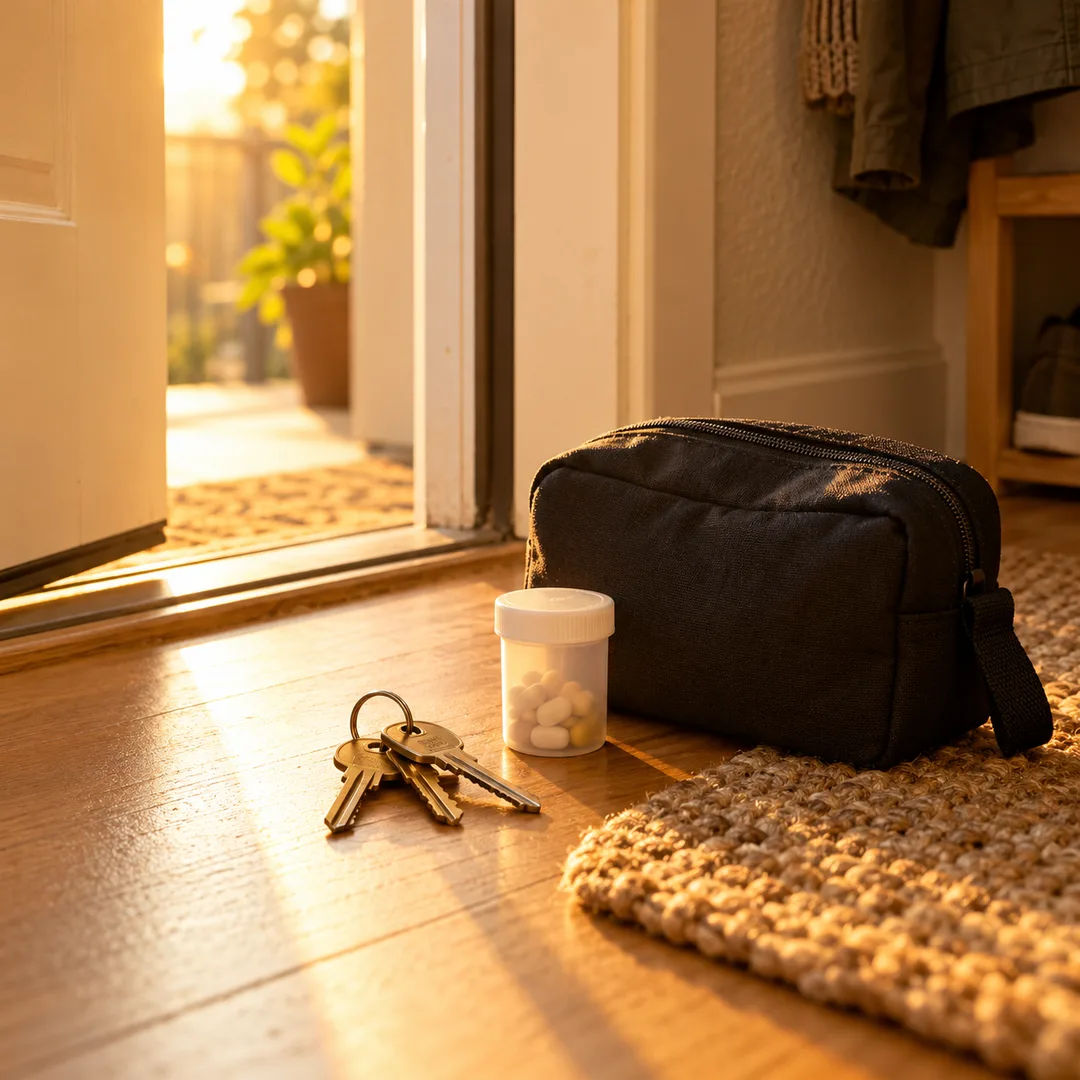
Protect essential information
Gather identification, financial records, prescriptions and important contact details you already have a right to use. Keep copies somewhere safer than the shared home when possible.
Use a device the other person cannot access to review passwords and account recovery settings. Remember that sudden password changes or disconnected devices may send alerts, so seek technology-safety advice when monitoring is suspected.
Tell one steady person
Choose someone who can listen without contacting the other person or pressuring you into a deadline. Explain specific events rather than arguing for a diagnosis.
You might agree on a code word, a place to store documents or a regular check-in. One reliable connection can reduce isolation and give you practical help if circumstances change quickly.

Get support that matches the problem
Different discoveries may require different help. A domestic abuse advocate can assist with safety planning. A qualified financial adviser can explain account options, while a local lawyer can clarify recording, property or custody rules.
Leaving is always a valid choice, but it deserves planning when control or surveillance is present. You can seek information confidentially without committing to any particular outcome.
The bottom line
The hidden object is only part of the story. What matters is whether secrecy is being used to confuse you, limit your choices, monitor you or shape how other people see you.
A diagnosis or complete accounting of every secret is unnecessary before responding. Trust the pattern you can observe, protect essential information and involve a safe person outside the home.
Most importantly, do not risk a confrontation to secure proof. Your safety is more valuable than a confession, and leaving or asking for support is a legitimate response to a home that no longer feels like your own.