Narcissists can make a shared home feel like an empty one.
You cook for two. You share a bed, a sofa, a car, a calendar. And still, most nights, you feel completely on your own.
Friends see a couple. You see a person who’s in the room but never really with you.
That ache is real.
Here’s how lonely life with a narcissist really feels, in 7 ways you’ll probably recognise, and why it happens.

Why it feels so empty
A narcissist often needs other people to keep telling them they matter. So whoever’s closest gets treated as a mirror, or as a threat.
Either way, you never get to be a real partner.
There’s a second layer. Cutting you off from others helps manipulation work, and getting reconnected helps you get better. So the loneliness isn’t a side effect. It’s part of the setup.
#1 You feel alone in a full house

The loneliest place in your home can be the sofa right next to them.
You tell them about the awful meeting, the strange call from your sister, the lump in your throat all afternoon. They nod. Then they ask what’s for dinner.
Or they sigh: “You’re too sensitive.”
Research on narcissism and empathy suggests many narcissists do pick up on your feelings. What’s missing is the follow-through. Kindness shows up mainly when it pays off for them.
Bit by bit, you stop bringing your feelings home. You start doubting whether your reactions even make sense, since nobody on the other side of the sofa seems to think so.
This week, bring one feeling to somebody who answers it with care. A friend, a sister, a coworker who asks twice. Notice the difference.
Being heard can feel like finally putting down a heavy bag.
#2 Everyone else gets the nice version

Everyone else meets the charming one, and you live with the other one.
At the party they’re funny, warm, topping up drinks. In the car home, nothing. Or a quiet list of everything you did wrong.
See also If You Are Staying With a Narcissist This Is the One Way to Keep Your Happiness Safe
Then your friend texts: “You’re so lucky.”
Why the show? Narcissists often work hard on how others see them. Being admired props up how they see themselves. At home, the performance can drop.
Sure, most of us put on better manners for company. The gap here is bigger. Kind out there, cruel in here.
That gap is lonely in a way that’s hard to put into words. When nobody believes you, your own memory starts to wobble. Maybe you’re exaggerating? Maybe it’s you?
It isn’t. What happens once the front door shuts is the real relationship.
#3 Silence is their favourite punishment
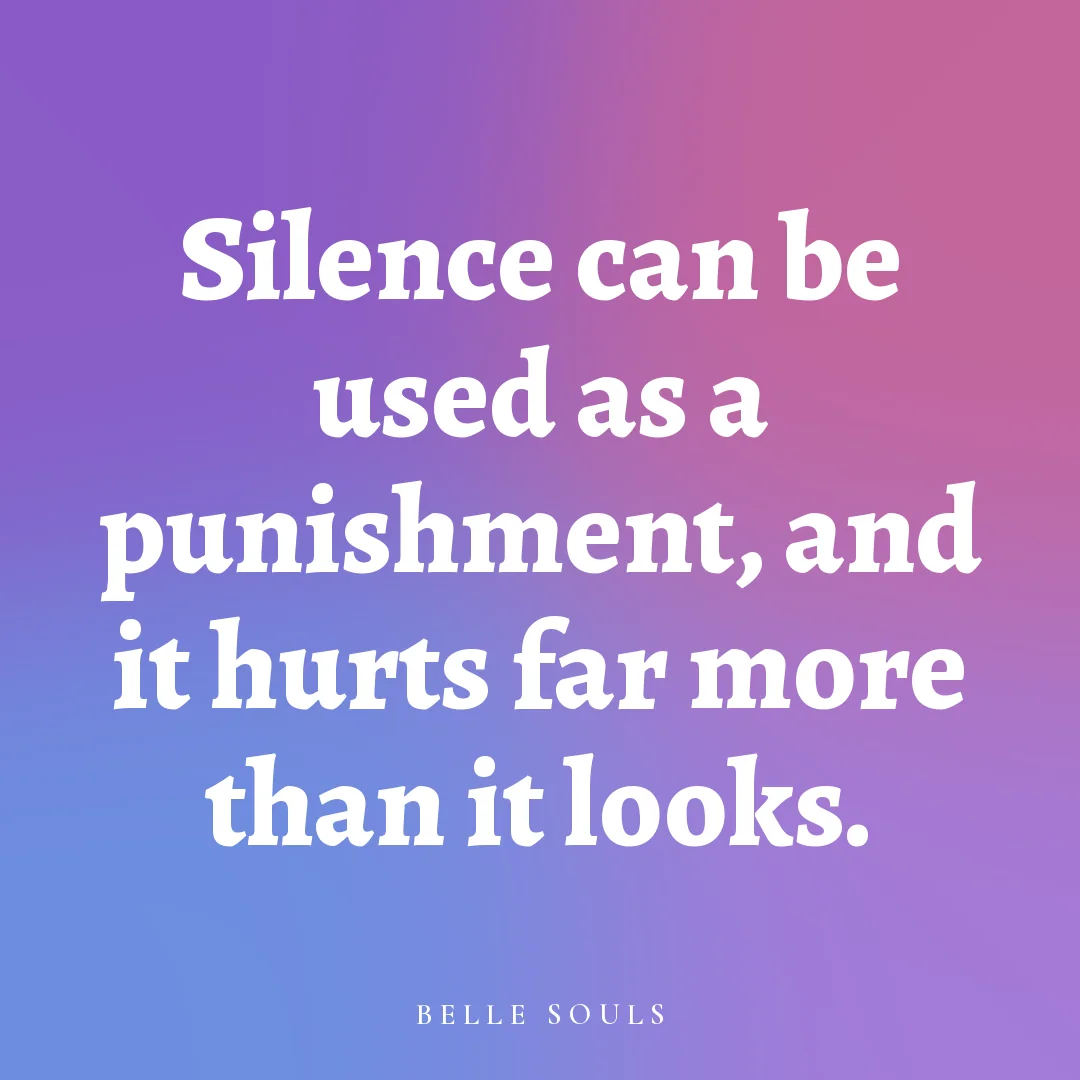
Silence can be used as a punishment, and it hurts far more than it looks.
A small disagreement on Sunday. By Monday they’re chatting to their mum on the phone, laughing at the TV, thanking the delivery driver. Not you. Days go by, then they stroll back in as if nothing happened.
Research on being ignored explains why it cuts so deep. Being shut out hits your need to belong and to count, so it can hurt like physical pain.
No wonder you want it to stop.
You say sorry simply to make the quiet stop, even when you have no idea what you did. Then you steer around any topic that might set it off again.
One thing that helps: tell them one time, calmly, that you’re ready to talk whenever they are. Then go and live your day. No chasing. No begging. No pacing outside a closed door.
Your peace was never theirs to switch off.
#4 Your world quietly gets smaller

Your world can shrink so slowly that you barely notice it happening.
It starts with a sigh when you mention a night out with friends. Then a sulk. Then, “You’d rather be with them than me?” Soon it’s easier to just stay in.
Psychologists call the wider pattern coercive control. It’s built from lots of little rules, about friends, money and where you go, each with a small penalty attached. Together they chip away at your freedom.
See also What Happened to the Narcissist Long Before You Met That Explains Everything They Did to You
There’s rarely one big moment. What would you even point to?
So you catch yourself asking permission for ordinary things. Coffee with a coworker. A long phone call with your cousin. New shoes.
A little money and a few phone numbers that are only yours can make a real difference. A domestic abuse service can also talk through a safety plan with you.
Your life was meant to be bigger than this.
#5 Your good news lands with a thud

Sharing good news with a narcissist can start to feel strangely risky.
You got the promotion. You come home buzzing. They barely look up: “Huh. Hope they’re actually paying you for it.” And that’s the end of that.
Research finds envy shows up a lot in narcissism, most of all in the quieter, more fragile form. When you do well, their need to feel above you takes a hit. So your win gets shrunk, taken over or ruined.
Ever had a fight picked on your birthday? Exactly.
Over time you start hiding your wins. You downplay the raise, skip the story about the compliment from your boss. Happy moments start to feel like something to brace for.
One way to tell: watch whose face falls flat when things go right for you. Then share your news with the friends who light up.
You’re allowed to be proud out loud!
#6 Their moods run the whole house
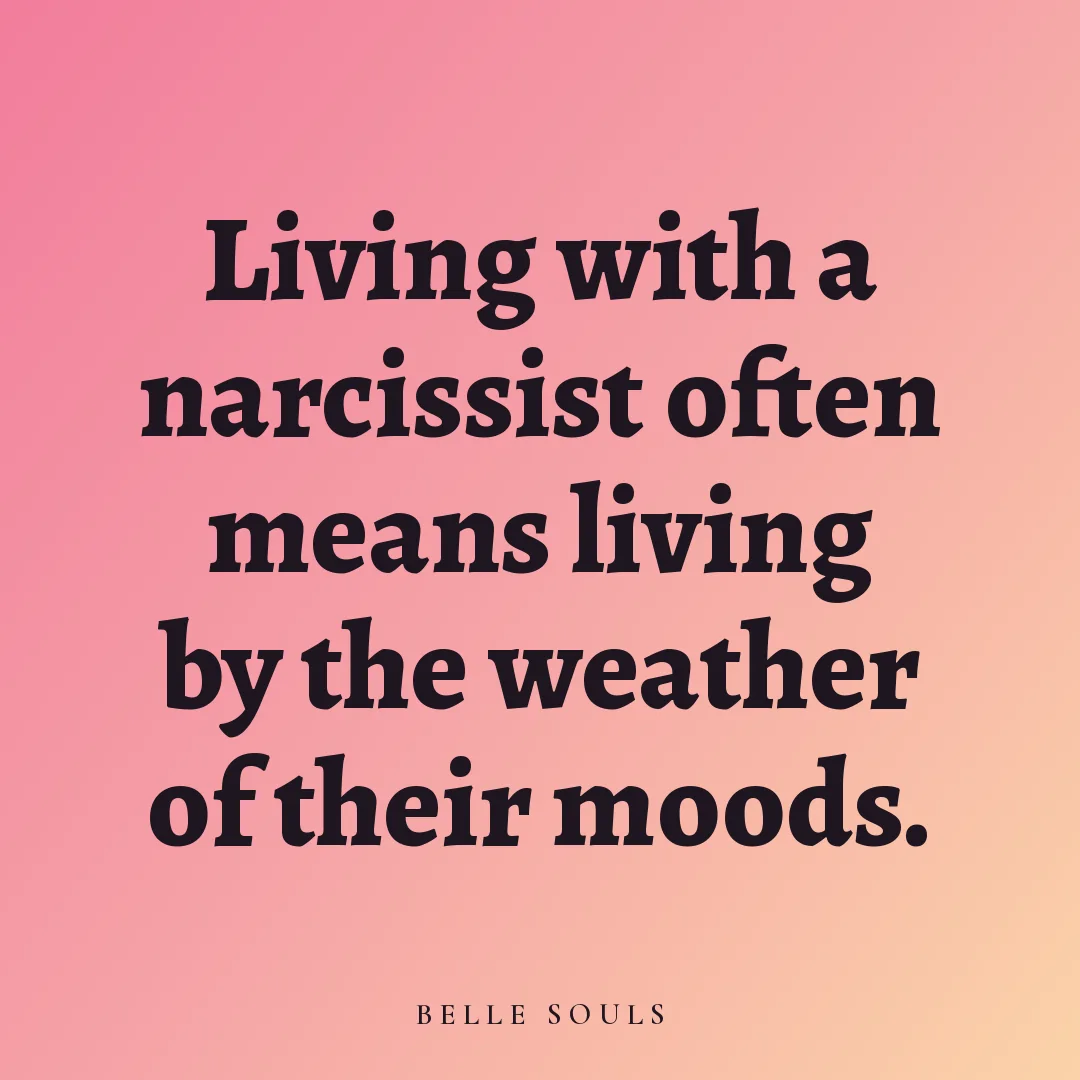
Living with a narcissist often means living by the weather of their moods.
You hear the car in the drive and you already know. The keys hit the counter a little too hard. Today’s a bad day.
Psychologists describe narcissism in two flavours, a loud one and a quiet one, and plenty flip between them. Bold and charming one evening. Sulky, tallying every slight, the next. Each guards a shaky sense of self.
And somehow you end up blamed for their disappointment.
So you walk on eggshells. When anger can come out of nowhere, your body learns to stay braced, and to smooth things over by going along. You say yes before you’ve even thought.
See also A Narcissist Will Say Anything to Get Out of Paying You Back — This Is Exactly How It Sounds
Always scanning their mood leaves little room to notice your own. Next time you feel that jolt, pause before you answer.
What do you actually want right now?
#7 You’re the mirror they check themselves in

With a narcissist, you can end up feeling like you exist just to reflect them back.
They retell how they saved the big deal at work, and you nod in all the right places. You add one line about your own week. They’re already back to the deal.
“Did you see how impressed everyone was with me?”
Why? A narcissist’s sense of worth often leans on praise from outside. So the person closest to them can become a source of admiration rather than someone to truly know.
That’s how you can share a room every night and still feel unseen. You’re there to reflect. Rarely to be looked at.
One way to tell: judge by the pattern over months, not by one sweet evening. And expect the behaviour to stay the same rather than waiting for the day they finally look back at you.
A mirror only shows them. You have a face of your own.
If this read like your own diary, the loneliness finally has a shape. And a shape is something you can see clearly, even on the tired days.
Start small. One trusted person, one honest conversation, the full story told to someone who listens. That’s often where things begin to change.
You were never too much. You were just alone with it for too long.