Your login fails. Your bank card isn’t in your wallet. And they’re being strangely sweet.
Narcissists don’t always announce an exit. Sometimes the money announces it for them.
Money can be one of the quietest tools of control. Without money of your own, every next step gets harder.
If the last few days felt off, trust that.
Here are 6 sneaky money moves a narcissist may make in those last days, and why you may have missed them.
Why money comes first
On the way out, money is leverage.
Research on economic abuse spells out why: when your access to money shrinks, walking away gets harder, so you stay dependent.
Add entitlement, the quiet conviction that they’re owed more than anyone else, and the joint account starts to look like theirs.
Many readers know the arc by an informal name: idealise, devalue, discard. Research on narcissistic charm and rivalry sheds light on it. Sweet at first, cold later, often with someone new lined up quickly. Leaving is just the final act.
#1 Passwords change without a word
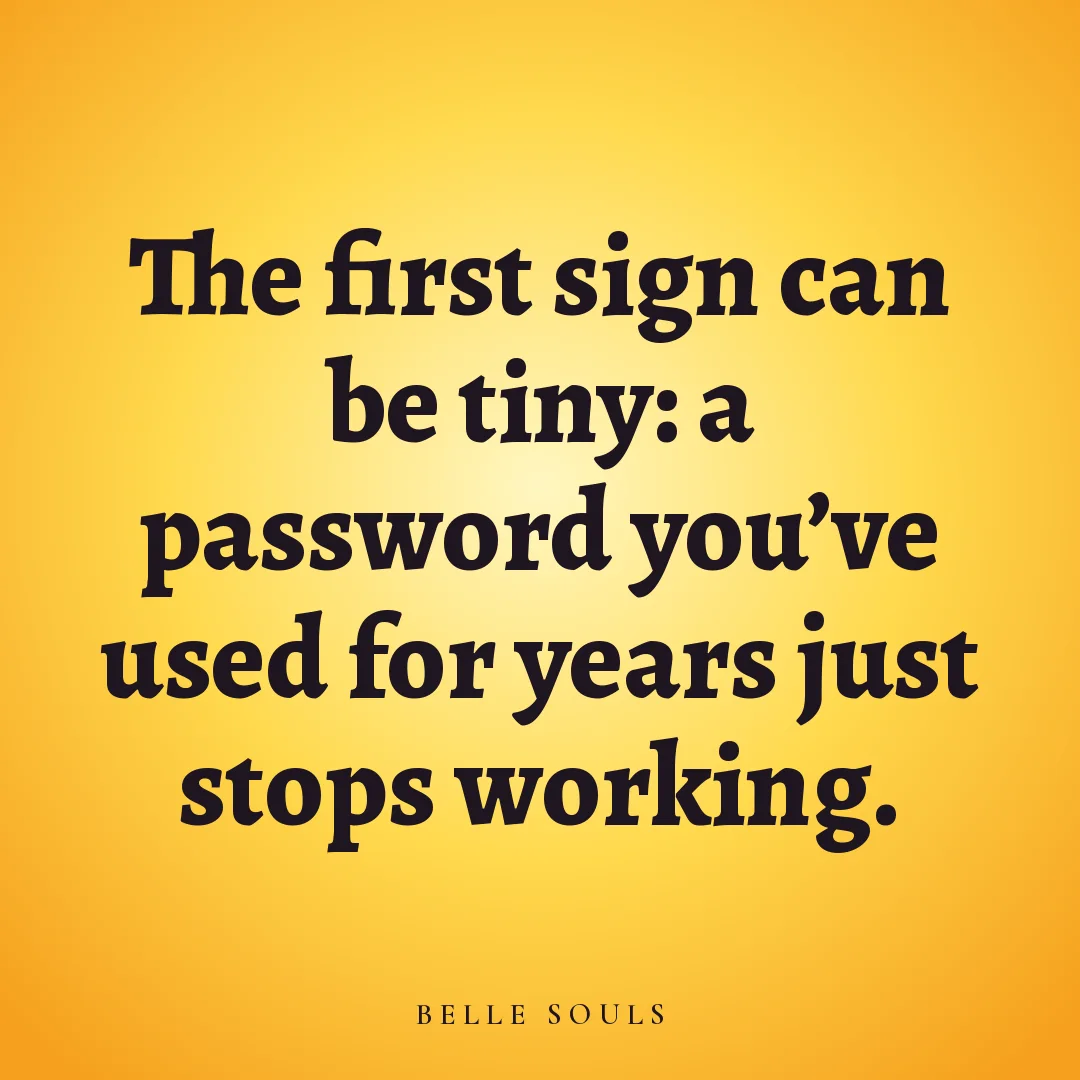
The first sign can be tiny: a password you’ve used for years just stops working.
The banking app says ‘incorrect details’. The streaming account logs you out. The email you both used for bills now sends a code to their phone instead of yours.
Ask about it and you get a shrug. ‘I had to reset everything, there was some security thing. Relax.’
Relax. Sure.
Researchers who study coercive control point out that lots of little rules and changes pile up until your freedom has quietly shrunk. One reset looks like nothing. Five of them lock a door.
Your world gets smaller, one login at a time.
It helps to hold on to a little money, and a few phone numbers, that are yours alone. No announcement needed. Whose phone gets the codes now?
#2 Your bank card goes missing
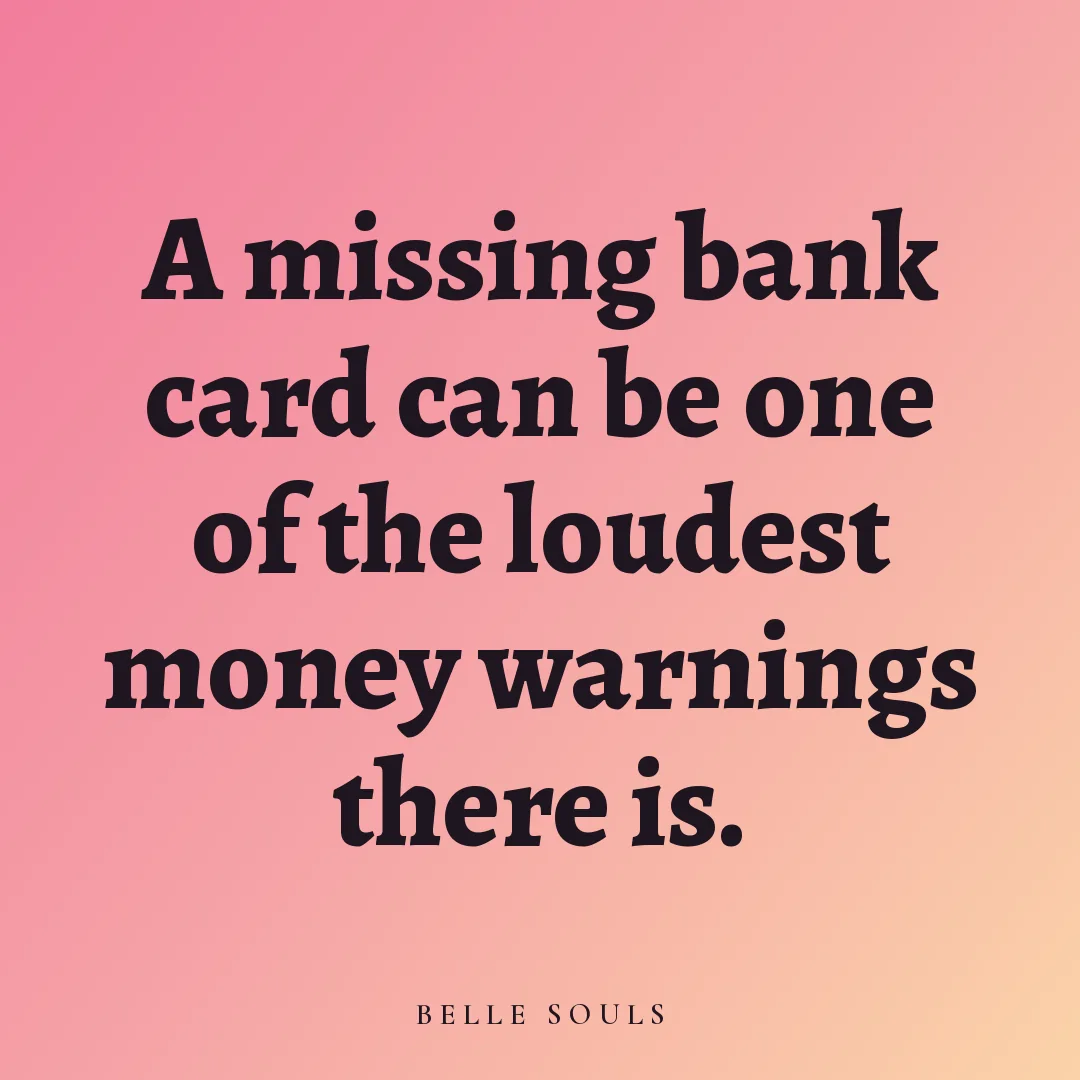
A missing bank card can be one of the loudest money warnings there is.
See also 7 Crazy Things Only Narcissists Do
It was in your wallet on Monday. By Wednesday it’s gone. You check every coat pocket, the car seats and the bottom of your bag, twice.
Then comes the line. ‘You probably left it at the shop. You’re always losing things.’
Always? Really?
Psychologists have a word for this: gaslighting. The goal is to get you second-guessing what you saw, so their story becomes the official one. It lands hardest where the power between two partners is lopsided.
Taking a partner’s cards or wages is a recognised sign of financial abuse. Two problems, one excuse.
A small habit helps here. Jot down the date and the shop each time you use it. Notes don’t forget, and they don’t argue back.
#3 Suddenly it’s an emergency
An urgent loan request can land with no time to think, and that’s the point.
The car broke down. A friend’s in trouble. A deposit is due by five. ‘I’ll pay you back Friday, I swear.’
Hesitate? ‘After everything I’ve done for you?’
FOG is a popular name for this squeeze: fear, obligation and guilt. It’s a community term rather than a formal one.
The idea is simple. Guilt trips and old favours dragged back up make no feel like the expensive choice and yes feel like the cheap one. It overlaps with what research calls coercive control.
And Friday? Friday comes and goes. The money doesn’t come back with it.
One thing helps: pause before you answer. ‘Let me think about it’ is a full sentence. Their emergency doesn’t have to become yours.
#4 The cash quietly leaves the house
Some manipulators play the long game, and you only see the plan once it’s finished.
The envelope behind the cereal box is thinner. The holiday jar on the shelf feels lighter. Their stash in the bedside drawer is simply gone.
Nobody slams a door. Nobody explains.
Researchers have a name for one patient, scheming way of handling people: Machiavellianism. Think flattery, long-range planning, and a spotless public image while they work against you behind the scenes.
See also 10 Quiet Ways a Narcissistic Mother Runs Her Whole Family
They rarely blow up in public. Why would they?
That’s what makes it so disorienting. When you describe what happened, friends picture the calm, reasonable one at dinner.
What helps: keep quiet about where your savings live, and get any deal over shared money written down. You can be the calm one, too.
#5 They sell you a future
The sweetest promises can show up right as the money quietly walks out.
Suddenly they’re talking about Spain again. The bigger flat. ‘After this busy patch, it’s just us, I promise.’
Lovely! Except nothing gets booked.
Online, people call this future faking. It’s an informal label, not a clinical one, for vivid plans dangled to keep you hooked, plans they never mean to keep.
Studies on game-playing love tie narcissism to weaker commitment. Big talk, then a fast exit, fits that picture.
Why does it work so well? Shared plans bind you. When you’ve already poured hope into that flat and that trip, walking away feels like losing them too.
One way to tell: check the receipts, not the speeches. What’s booked, paid or signed? Words are free. Notice who’s paying.
#6 Debt quietly lands in your name
Some of the sneakiest tricks happen in the final days and only surface later.
That last week, they were ‘just sorting the post’ and ‘borrowing your laptop for a minute’. Your purse was on the counter. Your details were right there.
Then they’re gone. A few weeks on, a letter arrives about a credit card you never opened.
Your stomach drops right there in the hallway.
Running up debt in a partner’s name is a recognised kind of economic abuse. The ugly logic: wreck someone’s finances and their freedom shrinks with them.
Cold. Calculating. Barely sorry. Researchers bundle traits like these under the name Dark Triad, and treating others as handy objects is part of the picture.
Pulling your credit report and keeping your own paperwork can help. So can a domestic abuse service, for both the money side and the safety side. Your name belongs to you.
See also 5 Things That Torment a Narcissist
#7 Your gut noticed first
Looking back, the signs can feel obvious, but the shame of missing them was never yours to carry.
The reset passwords. The missing card. The thin envelope. The trip that never got booked. Now it all lines up, and a voice in your head asks, ‘How did you not see it?’
Here’s why.
Psychologists call it betrayal blindness. If you rely on a person, part of your brain may tune out proof that they’re betraying you, because seeing it would put the bond at risk. Once it ends, it can all snap into focus.
It’s not stupidity. It’s protection.
That sick, uneasy feeling you couldn’t explain? That was you, noticing.
Give yourself the gentleness you’d hand a friend who missed the same clues. And next time something feels off, run it past a friend outside it all.
Keep your own account and your own records. Check your credit report. Small, boring steps, and every one of them is yours.
If any of this is happening now, talking it through with one person you trust, or ringing a domestic abuse service, can steady the ground under you.
You noticed. That counts.