When you stop giving the narcissist what they expect, their behaviour often changes.
The guilt trip doesn’t work. The sulk doesn’t get an apology. You answer later, or not at all.
So they try something else.
It can feel like things are getting worse just as you’re getting stronger. That’s not a coincidence.
Here’s what happens when the narcissist loses their grip on you, and what each change really means.

Why your reactions matter so much to them
For a narcissist, a sense of worth often depends on outside confirmation. Other people become a source of admiration, or a threat to it.
Your reactions are part of that. Your guilt, your worry, your quick yes.
Guilt, fear and the feeling that you owe them keep that yes coming. When those stop working, they lose a lever they’ve leaned on for a long time.
So they reach for other ones.
#1 Their guilt trips stop landing
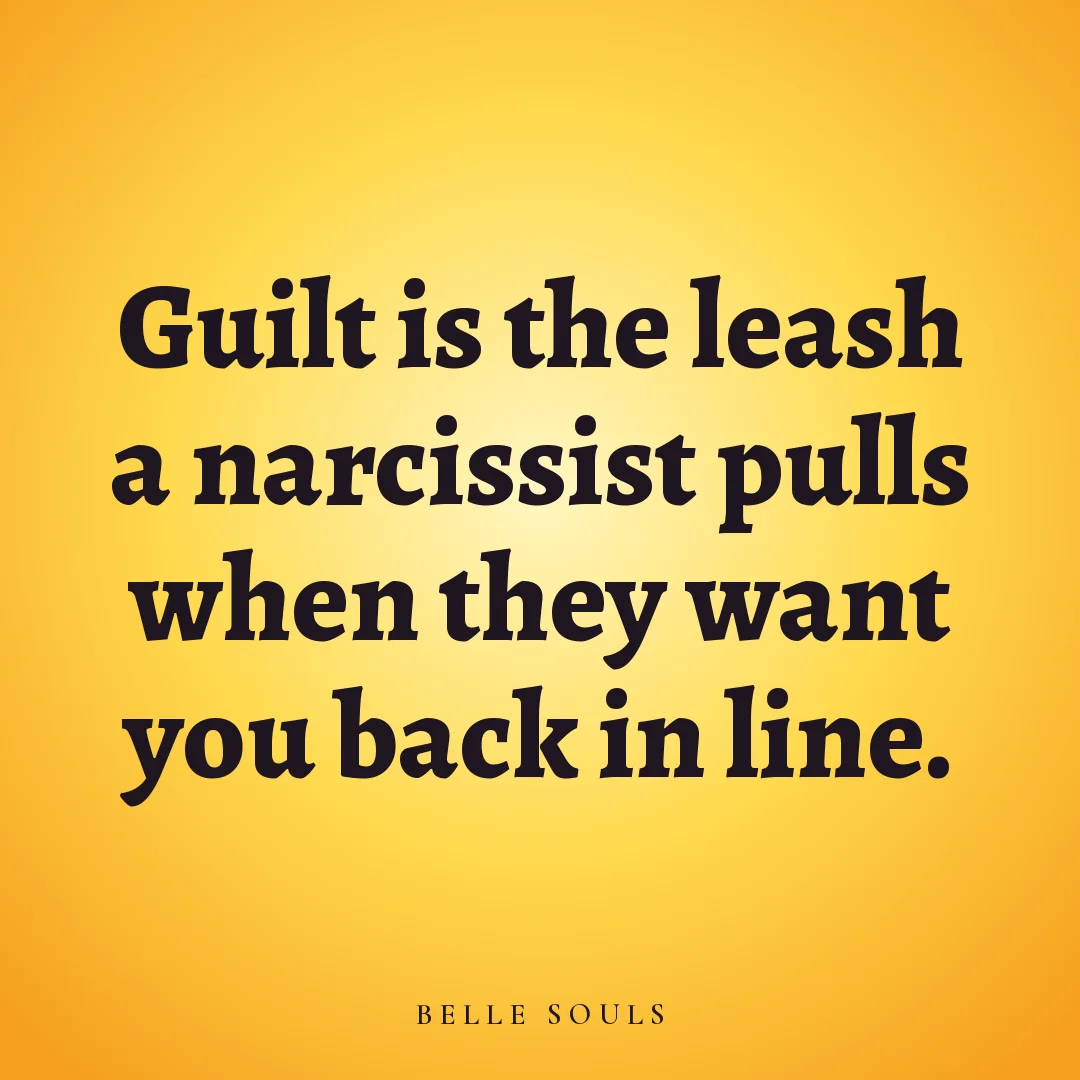
Guilt is the leash a narcissist pulls when they want you back in line.
You say you can’t drive them to the airport on Saturday. They go quiet, then a long sigh, then the line you’ve heard a hundred times: “After everything I’ve done for you?”
Before, that line had you grabbing your keys. Many call this FOG: fear, obligation and guilt. It’s a popular term, not a formal one, but it overlaps with what researchers call coercive control, where small pressures add up.
Each push makes no feel more costly than yes.
Yes used to be automatic. It isn’t any more.
Now there’s a pause. The guilt still rises, sometimes hard. You let it sit there without obeying it.
Keep that pause before every answer. Their disappointment is theirs to carry, not yours to fix.
They notice that pause.
#2 Their anger gets louder first
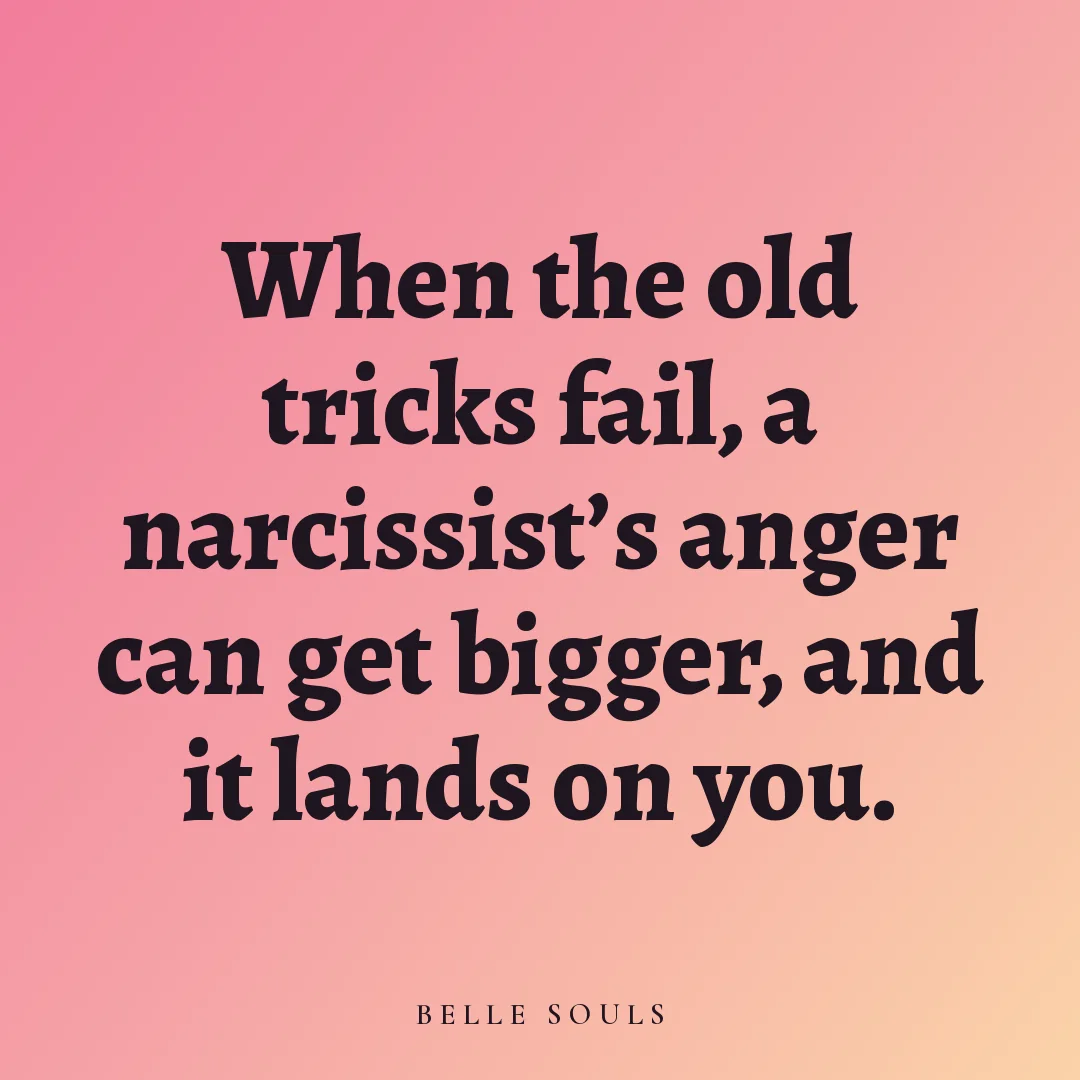
When the old tricks fail, a narcissist’s anger can get bigger, and it lands on you.
You ask a simple question about why they were late, calmly. Suddenly it’s a shouting match about how ungrateful you are.
See also Valentine’s Day With A Narcissist Exposes Everything That’s Missing in Your Relationship
Why so much over so little?
Being criticised, rejected or ignored threatens their self-image. Research on threatened egotism found narcissists respond to that kind of insult with more aggression, aimed at whoever they blame for it.
And when you stop giving in, they blame you.
So you might catch yourself pre-editing every sentence again. Keep anything critical short and factual, or skip it when it doesn’t feel safe.
If anger turns into threats, leave the room.
#3 Suddenly they’re the victim

The moment you hold your ground, the narcissist may rewrite the story so they’re the one hurt.
You mention, once, that you didn’t like being mocked in front of their friends. Within minutes they’re the wounded one: “I can’t believe you’d accuse me of that. I try so hard.”
Then the tears. Or the sulk that lasts all evening.
There’s a name for this three-step move. Psychologists call it DARVO. First comes the denial, then the attack, then a swap where they become the injured party and you become the bad guy.
Studies on it show the one who spoke up ends up blaming herself more.
That’s why it works so well. The conversation ends with you comforting them.
So go back to what you actually said. Calmly, once. Skip the counter-attack.
Not every jab they throw back needs an answer.
#4 The silence stops scaring you
Silence is one of the cruellest punishments, because being ignored can hurt like physical pain.
Three days of nothing. They chat to the delivery guy, the dog, their sister on the phone. Not you.
Being shut out hits your deep need to belong and to feel you count. That’s why you used to apologise just to make it stop, even when you’d done nothing.
Now something shifts.
You say once that you’re open to talking. Then you go and live your day. You eat dinner, call a friend, watch your show.
No chasing. No begging at the bedroom door.
See also 9 Reasons Narcissists Can’t Stand Valentine’s Day
And when they come back acting like nothing happened? You notice. Who’s waiting now?
#5 The sweet version comes back

When pressure fails, the charming version of them often makes a surprise return.
Flowers on the counter. A long message at midnight: “I’ve been thinking about us. I know I can change, this time for real.”
Some call this hoovering, a popular name for attempts to pull you back. It plays on the hope that the good times will return, and it often shows up when they need something or feel replaced.
It hits hard because kindness that comes unpredictably hooks harder than steady kindness. The same principle keeps people at slot machines.
That rare sweet moment feels like a jackpot.
Look at the pattern, not the promise. How many times have you heard this one?
#6 They recruit other people
If they can’t reach you directly, a narcissist may try to reach you through everyone else.
Your aunt texts out of nowhere. “You really should apologise. Family is family.” A mutual friend asks if you’re okay, in a voice that says they’ve heard something.
People online call these messengers flying monkeys. It’s a popular term, not a clinical one. Often they’ve been told a version where the narcissist is the wronged one, and they act on it because they’re kind or loyal.
Researchers call the wider tactic relational aggression: attacking your social standing, which leaves no visible evidence.
You end up feeling isolated in your own circle.
You don’t owe the messenger a defence. Keep details private, behave the way you always do, and let time show who’s telling the truth.
#7 You stop doubting your own memory

Once you trust your own memory again, their version of events starts to fall apart.
“That never happened.” “You’re making things up again.” You’ve heard both, maybe while looking right at the proof.
Gaslighting works best where there’s unequal power: you trusted them, and they controlled the story.
See also 12 Moments That Show The Narcissistic Abuse Was Deliberate
When you stop handing them the story, that power shrinks.
You start writing things down the day they happen. You check what you saw with someone outside the relationship. And their accusations start to look different too.
When they call you a liar right after you’ve caught their lie, that tells you more about them than about you. State the facts once and leave it there.
Your memory was never the problem.
#8 You become boring to them
A calm, unreactive you gives a narcissist almost nothing to work with.
They text something designed to sting. You reply: “Fine. I’ll pick up the boxes at six.” That’s it.
Many call this grey rock, a popular name for staying dull and flat when contact can’t be avoided. The less you react, the less they can grab onto, and the bond between you can slowly loosen.
It isn’t a way to win. It’s a way to stop feeding the fight.
And it may not be safe in every situation. If they might escalate, a safety plan matters.
The first weeks can bring cravings, almost like withdrawal, before more calm settles in.
So plan for those weeks before they start.
Losing their grip on you can feel messy, loud and lonely at first. That doesn’t mean you’re doing it wrong.
Often it means it’s working. Go easy on yourself, and keep one person close who sees the whole picture.