You feel tired in a way sleep doesn’t fix.
Your memory feels shaky. Your nerves feel raw. Some days it seems the relationship took everything and gave nothing back.
Maybe you’ve started to believe that.
Look closer. To get through what you’ve lived, you had to grow skills you never asked to learn.
They came at a price. They’re still yours.
Here are 9 strengths you built surviving a narcissist, and what each one can do for you now.
Built under pressure, kept by you
None of this is a thank-you note to the narcissist.
You didn’t choose these strengths. You built them because you had to, on days when just getting through was the whole plan.
Some of them still come with fear attached.
The goal now? Keep the skill. Let the fear go when you’re safe enough to.
#1 Your radar never switches off
You can read a mood before anyone in the room says a word.
You know it from the sound of the keys in the door. The way a cupboard closes. Whether the hello is clipped or warm.
Years of not knowing when the next explosion would come taught your body to keep watch. It also taught you to keep the peace fast, usually by agreeing.
Useful? Very! Free? No.
That watchfulness often runs on exhaustion. And it can bury what you want under what everyone else needs.
When your chest tightens, slow down and notice the alarm.
If the danger is real, trust it. That radar kept you safe.
#2 Gaslighting doesn’t land like it used to
Once you’ve been gaslit, you start to hear it in a single sentence.
“That never happened.” “You’re too sensitive.” “You’ve got it all wrong again.”
Gaslighting is a campaign to make you distrust your own mind until their story is the only one left. Research describes it thriving where one person holds more power, since the trust you gave them becomes the tool for rewriting events.
See also 10 Examples That Show The Narcissist Doesn’t See You as a Person
You probably started keeping notes. Maybe you said sorry after nights when they’d hurt you.
Those notes weren’t paranoia. They were a sensible way to hold on to what really happened.
Keep jotting things down the day they happen. Run them past one person who isn’t inside the relationship.
Your memory was never the problem.
#3 Fast charm sets off alarms now
Too much, too fast now looks like a warning sign.
Soulmate talk in week two. Messages from morning till midnight. A holiday planned for next summer before you’ve even met their friends.
Psychologists call this love bombing. The rush ties you to someone long before you’ve seen what they’re like on a bad day, under real pressure.
Later, that first rush turns into the thing you keep trying to get back.
You learned the hard way that a flood of attention isn’t the same as being known. That lesson cost you, and it stays.
Now you can watch how someone handles a gentle “not yet.”
Do they wait? Or do they sulk?
#4 The public mask can’t fool you

You can spot the gap between someone’s public face and their private one.
Charming at the party. Laughing at your sister’s jokes. Then silence the whole car ride home, or a list of everything you did wrong.
Narcissists often pour effort into how they look from the outside, since being admired props up how they feel about themselves.
That’s why friends said you were lucky. And why it felt like nobody believed you.
Most of us are a little nicer in front of guests. What you lived with was different: warm out there, cruel at home.
What you gained is faith in what you saw at home, with nobody watching. That’s where the real story lives.
Whose version do you believe now? Yours.
#5 Their counter-attack won’t derail you
You can feel a conversation being flipped, and you can steer it back.
See also THIS is the Simplest Way to Annoy a Narcissist
You mention the money that went missing. Within a minute it’s “How dare you accuse me, after the week I’ve had?” and suddenly you’re the one on trial.
Psychologists have a name for this pattern: DARVO. They deny it, they go on the offensive, and then they cast themselves as the one who got hurt.
Studies suggest it leaves whoever spoke up blaming themselves more. No wonder you so often walked away apologising for a fair question.
Now you notice the switch. You skip the bait and bring it back to what you first asked about, without defending yourself line by line.
And if raising it at all could set off a dangerous reaction, you don’t have to raise it. This is about protecting yourself, not winning.
Calm. Short. Only when it’s safe.
#6 Guilt stops working as a leash
Guilt trips don’t pull the strings they used to.
“After everything I’ve done for you.” A heavy sigh. A long, disappointed silence until you give in.
Many survivors use the name FOG for this: fear, obligation and guilt. It’s a popular label, not a diagnosis, for pressure that makes saying no feel so costly that giving in seems easier.
Researchers studying coercive control describe something related, where many small rules and punishments slowly add up.
Back then, yes came out before you’d even thought about it. Keeping them happy felt like a shift that never ended.
Now you pause before answering. Their feelings are real, but they’re not yours to fix.
One breath between the ask and the answer. That’s where your yes becomes a choice.
#7 Boundaries become something you do
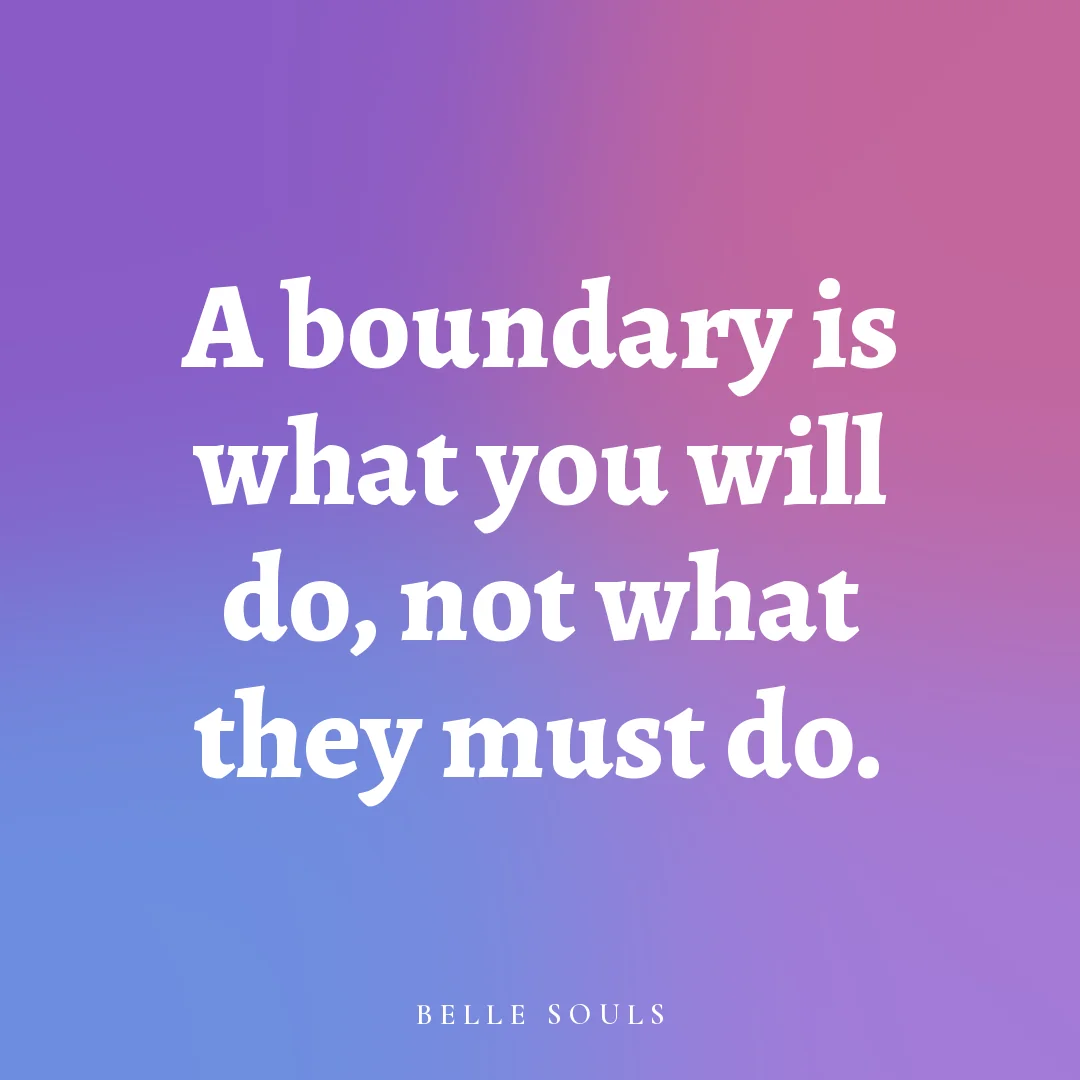
A boundary is what you will do, not what they must do.
Asking them to stop shouting never worked. They argued, mocked you, or promised and forgot.
Then something clicked. “If the shouting starts, I’ll leave the room.” And then you actually leave.
That’s the popular idea of a boundary: it rests on what you choose to do, so their approval isn’t required. It’s the flip side of the control you lived under, where one person made the rules for both.
See also The One Thing a Narcissistic Woman Can’t Stand
They’ll probably push against it. You’ll probably feel guilty.
Say it one time. Then follow through, again and again.
No permission needed.
#8 Hot and cold loses its grip
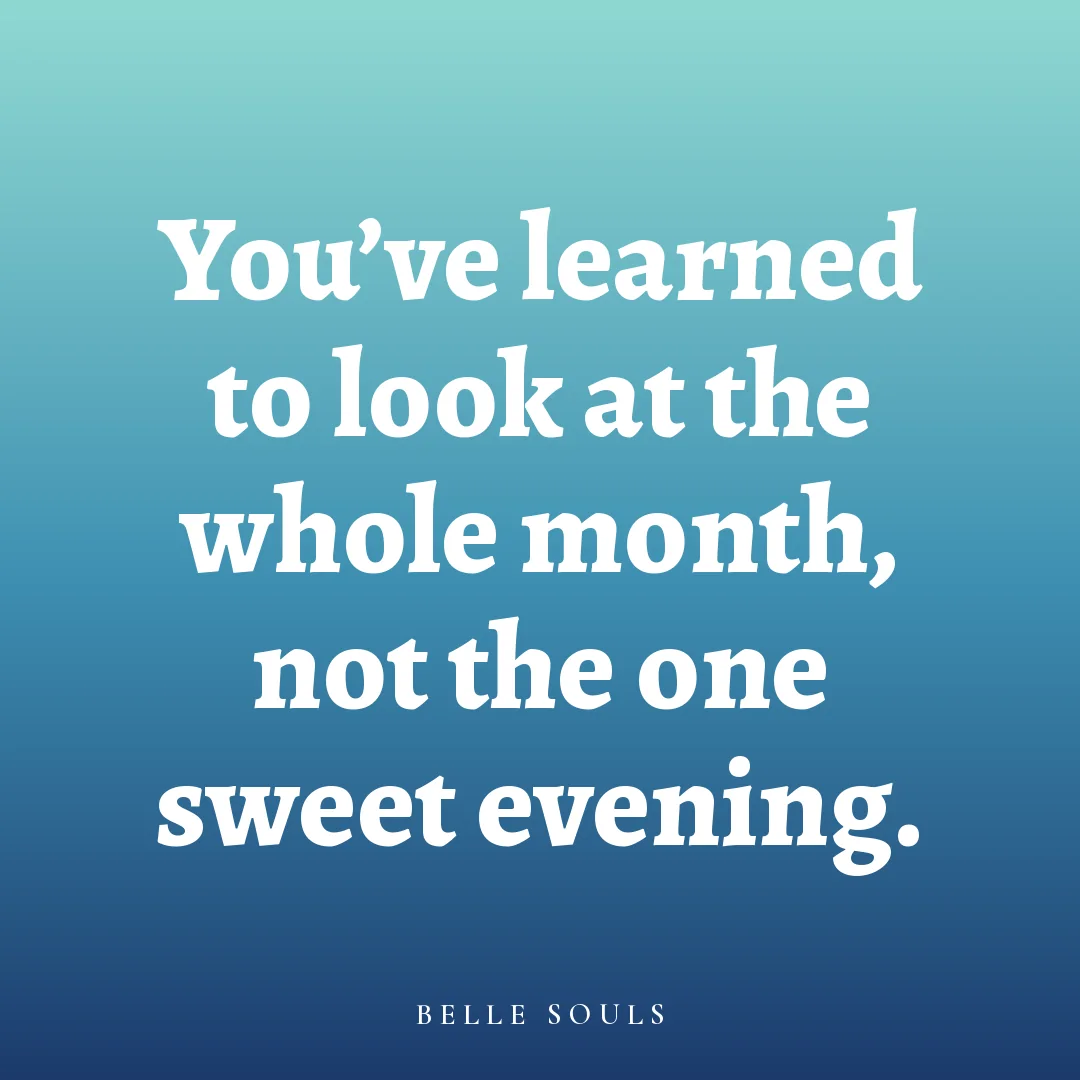
You’ve learned to look at the whole month, not the one sweet evening.
Monday they’re cold. Wednesday there are flowers and “I don’t know what got into me.” By Friday the ice is back.
Psychologists call this intermittent reinforcement. Warmth you can’t predict grips tighter than warmth you can count on. It’s the same pull that keeps a gambler feeding coins into a machine.
That’s why a rare sorry felt like winning big. And why one good weekend could cover a fortnight of cold.
You gave more and got less back. Not because you were foolish. Because that’s how the hook works.
Now you count. Good days against bad, week after week.
What does your tally say?
#9 You can forgive yourself for missing it
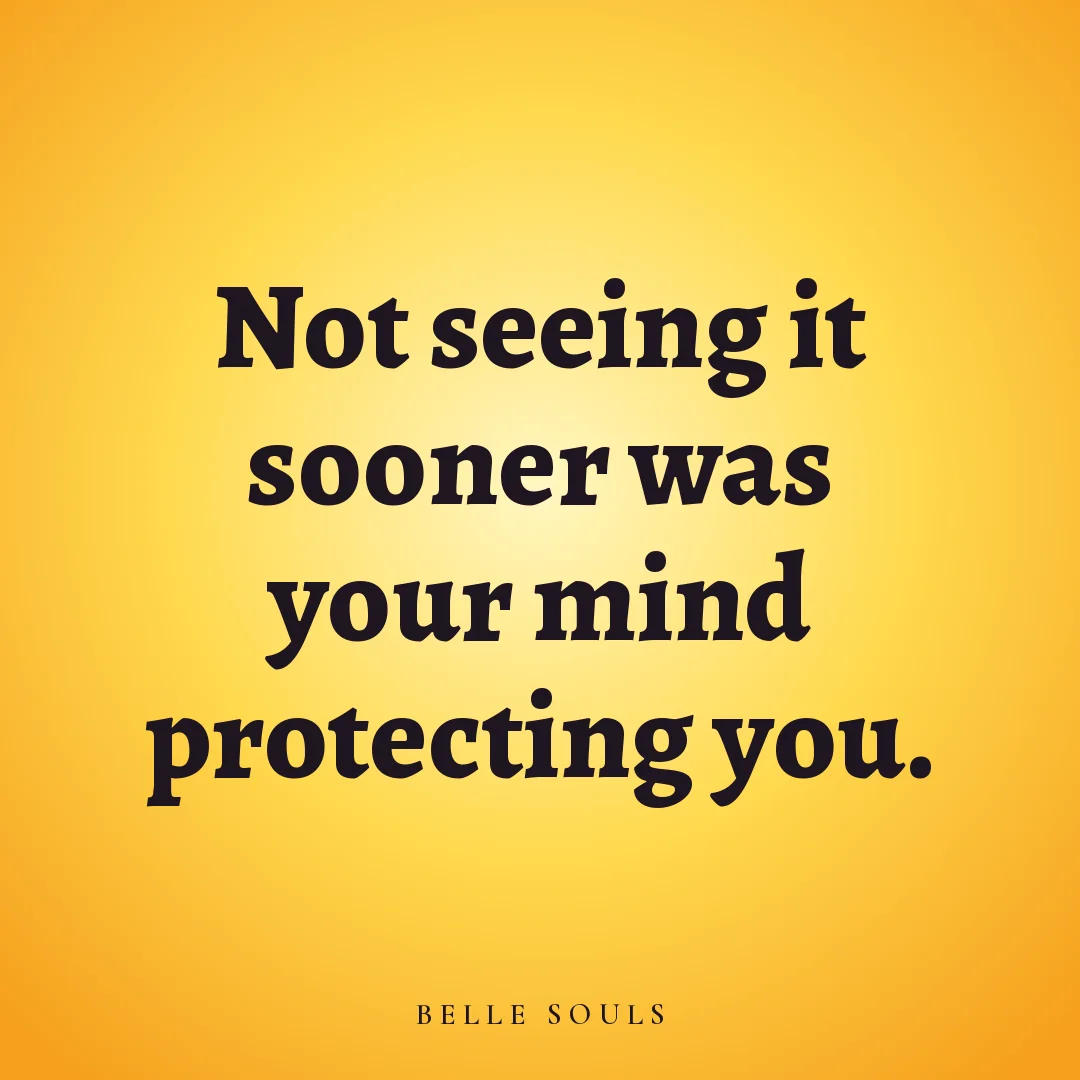
Not seeing it sooner was your mind protecting you.
Maybe your friends noticed first. Maybe you explained away the lies, or felt sick for months without knowing why.
Research on betrayal blindness explains it. When you rely on someone, your mind may screen out the evidence of their betrayal, just to keep that attachment safe.
Then the fog lifts in one go. Shame shows up, and grief right behind it.
This is where your quietest strength grows: speaking to yourself as gently as you’d speak to your best friend.
Studies on self-compassion connect that kindness with feeling less ashamed and blaming yourself less. After manipulation, those two weigh the most.
You saw it in the end. That counts.
The radar that hears the keys. The notes in your phone. The tally of good days and bad. You built all of it under pressure.
Start small. Write down one thing that happened today, exactly as it happened, and let yourself trust it.
Your mind is clearer than they ever wanted you to believe.