The narcissist your friends know is charming, generous and fun at parties.
The one who shares your hallway at night is a different person.
In private, your phone gets checked, your secrets get stored, your good news gets a sour look. You’ve watched it up close. On bad days you wonder if your mind is playing tricks.
It isn’t.
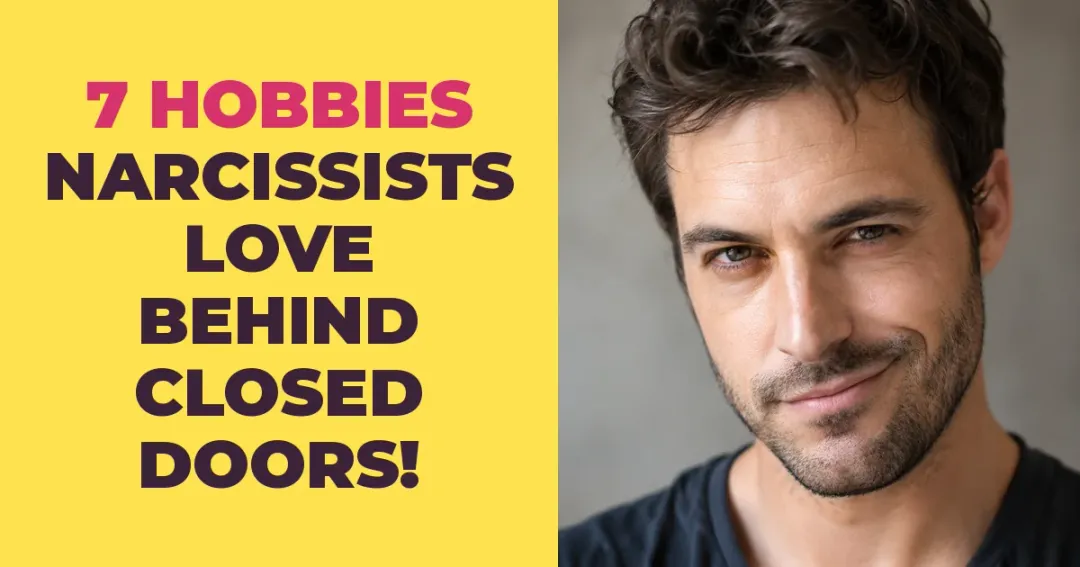
Below are 7 private hobbies many narcissists have in common, what drives each one, and how it quietly wears you down.
Why the door stays closed
For a narcissist, feeling worthy often hangs on what other people think of them.
Praise keeps them going.
So the outside world gets the polished version. The patience. The jokes. The generous tip.
At home, the effort switches off. These habits stay hidden for a reason: one glimpse and the image would start to crack.
#1 Your phone is their favourite reading
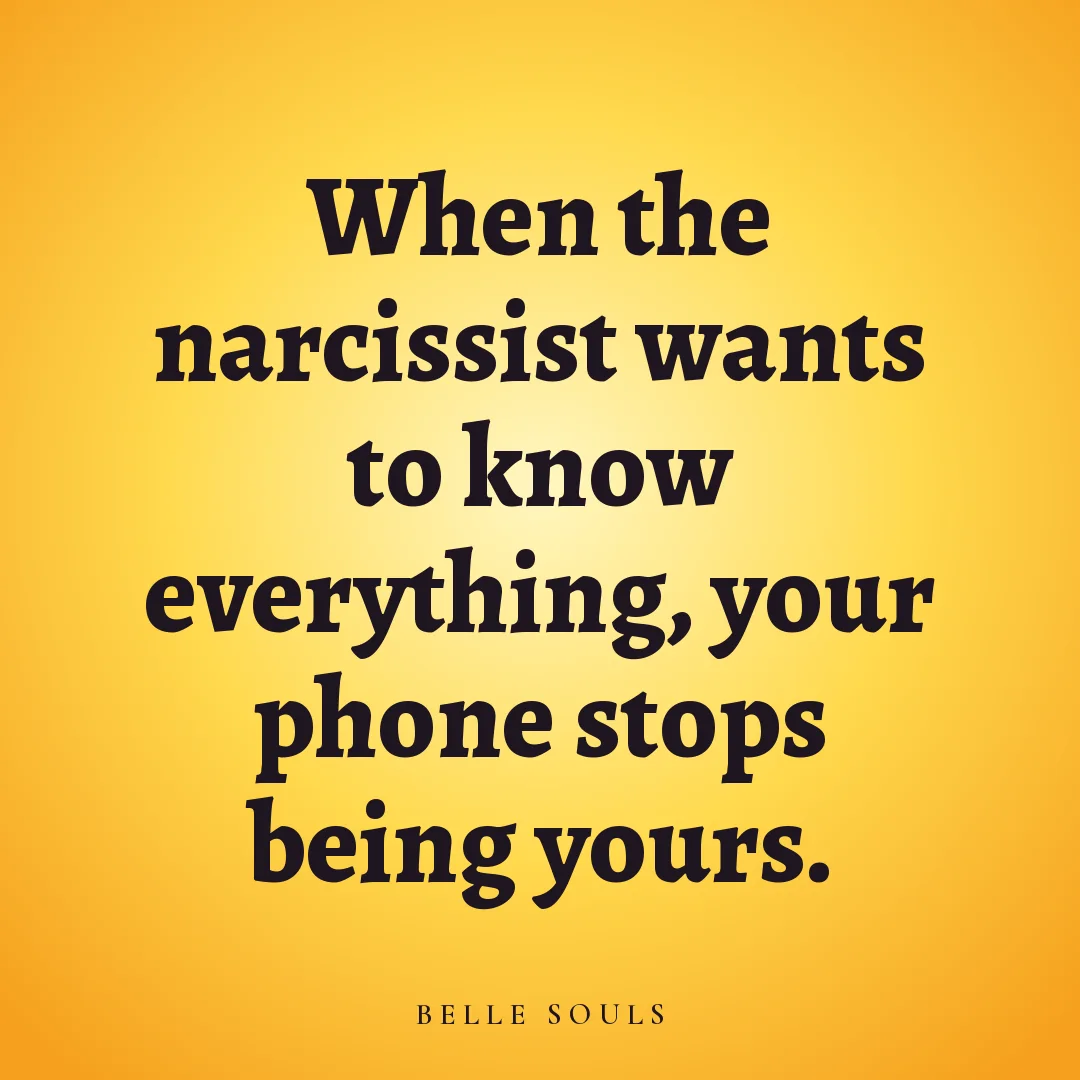
When the narcissist wants to know everything, your phone stops being yours.
You step out of the shower and it’s moved. Then, a bit too casually: “Who’s Sam?” They know Sam is your cousin.
Some check your location. Some demand passwords, “because couples shouldn’t have secrets.” Strange how their own phone lives face down.
Psychologists call the bigger pattern coercive control. It’s built from many small rules and checks, so it’s hard to point to one big moment.
Holding on to some money and contacts that are only yours can give you room. Specialist abuse services can talk safety through with you, too.
Your world gets smaller. One day you notice you’re asking permission to text a friend.
#2 They move your things, then deny it
Moving your things and then denying it is a sneaky way to shake your trust in yourself.
The keys aren’t in their bowl. The towels you folded are a heap again. The spice rack you sorted is a mess.
You say something. They tilt their head, almost gentle. “I haven’t touched anything. Are you feeling okay?”
See also 6 Harmless Hobbies Narcissists Take Up Just for Show
Psychologists call this gaslighting: getting you to doubt your own memory so their story wins. It thrives where power is uneven and trust runs deep. Doubt your eyes, and you’ll lean on theirs.
So you start checking twice. You hear yourself apologising for losing things you know you put back.
Two people remembering an evening differently is normal. Keys wandering around the house on their own aren’t. Jot it down the same day, and run it past someone outside the relationship.
Your memory is fine.
#3 Exes are kept on the shelf

Old exes and new admirers are often kept close, just in case.
Late at night their screen lights up. They angle it away. “It’s just Jess. We’re friends. Relax.”
Other times the ex gets mentioned on purpose, right when things feel steady. “She never minded when I went out.”
Research ties narcissism to a game-playing approach to love, with options kept open and real closeness held back. Dragging a third person in stirs up jealousy and pressure.
And it works. Attention that once came freely now has to be won.
You feel replaceable. That’s the point.
Being slow to commit is normal. Keeping you guessing on purpose is the game. Watch what they do, week after week. And step out of the contest. You never entered it.
#4 They collect your secrets for later
What you share in soft moments is often saved for later.
You tell them about your dad, the job you lost, the panic attack at your sister’s wedding. They listen so well, with all the right questions.
Months on, in the middle of a fight, it lands with perfect aim. “No wonder your father left.”
Psychologists have a name for this cool, calculating style: Machiavellianism. It plans ahead, stores up information, and wears a calm face in front of others.
That calm face hurts most. They seldom blow up where anyone can see, so friends find your story hard to believe.
See also 10 Everyday Struggles Narcissistic Abuse Survivors Feel Too Ashamed to Share With Anyone
Often the plan is only visible once it’s done.
Keep personal details closer, and get important agreements in writing. Not because you’re scheming. Because they might be.
#5 Your good news ruins their day

Your good news can feel like a threat to a narcissist who needs to stay on top.
You land the promotion and ring them first, still buzzing. A pause. “Huh. So you’ll be working even later now?”
Or your birthday dinner ends in a row in the car on the way home.
Envy shows up a lot in narcissism, research suggests, most of all in the touchy, resentful type. Your win dents their sense of being better, so they shrink it, spoil it or take credit.
In their eyes, your gain is their loss.
So you start keeping wins to yourself. Happy days feel risky.
Save your news for people whose faces light up.
And notice who goes quiet when you win.
#6 Their version reaches people first
Many narcissists spread their version of you before you know a story exists.
A friend turns oddly cool. Your mother-in-law asks, softly, if you’re “getting help.” Someone mentions how worried your partner’s been about you.
Research calls this relational aggression: damage done through gossip, rumours and leaving someone out. It goes after your reputation, not your body, so there’s nothing visible to show.
It often begins before you leave. Sometimes it ends up in vague posts online.
You feel you have to clear your name everywhere. And support thins out just when you need it.
Honestly telling their side is one thing. Bending the story to isolate you is another. Keep records if your job or custody is affected.
A smear leaves nothing to point at. How you act, steadily, month after month, is what time lets people see.
#7 Watching you squirm is the fun part

Some people, narcissistic or not, get a real kick out of your discomfort.
See also The Unexpected Way a Narcissist Reacts When You Stop Caring
They poke at your sore spots, then laugh when you flinch. “God, it was a joke. Lighten up.”
“Back by six.” Nine o’clock, still nothing. They know.
At dinner with friends, your insecurity becomes the funny story. You glance up and catch the smirk.
Researchers call this everyday sadism, a separate trait they added to the Dark Triad to make a “Dark Tetrad.” For these people, cruelty is its own reward.
So you learn to hide your face. Love starts to feel like being hunted. Fewer reactions also give them less to enjoy.
Playful teasing stops when you ask. This doesn’t. If your hurt seems to please them, believe what you see.
If several of these hit home, you’re not being dramatic. What happens over months says more than any one bad night.
Start small. Tell one person you trust what really goes on when the door shuts. Out loud, it often sounds as wrong as it felt.
Because it was.