In public, they’re the one everybody loves.
Your friends say you’re lucky. Your mum calls them a catch. You smile along, because describing the other version out loud sounds unbelievable, even to you.
But you’ve seen the other version.
In the car on the way home. At 2am, holding your phone. Going quiet the second your news is good.
Here are 11 shocking things narcissists often do when nobody is looking, and why they do them.
Why the private version is so different
Narcissism often has two sides, and you’ve met both.
Research on narcissistic admiration and rivalry describes the first side as charm and self-promotion. It’s what wins people over early.
Over time, the second side takes over. Competing with you. Putting you down. Turning cold once you know them well.
That’s why first impressions are so good, and later ones so bad.
#1 The mask comes off at the front door
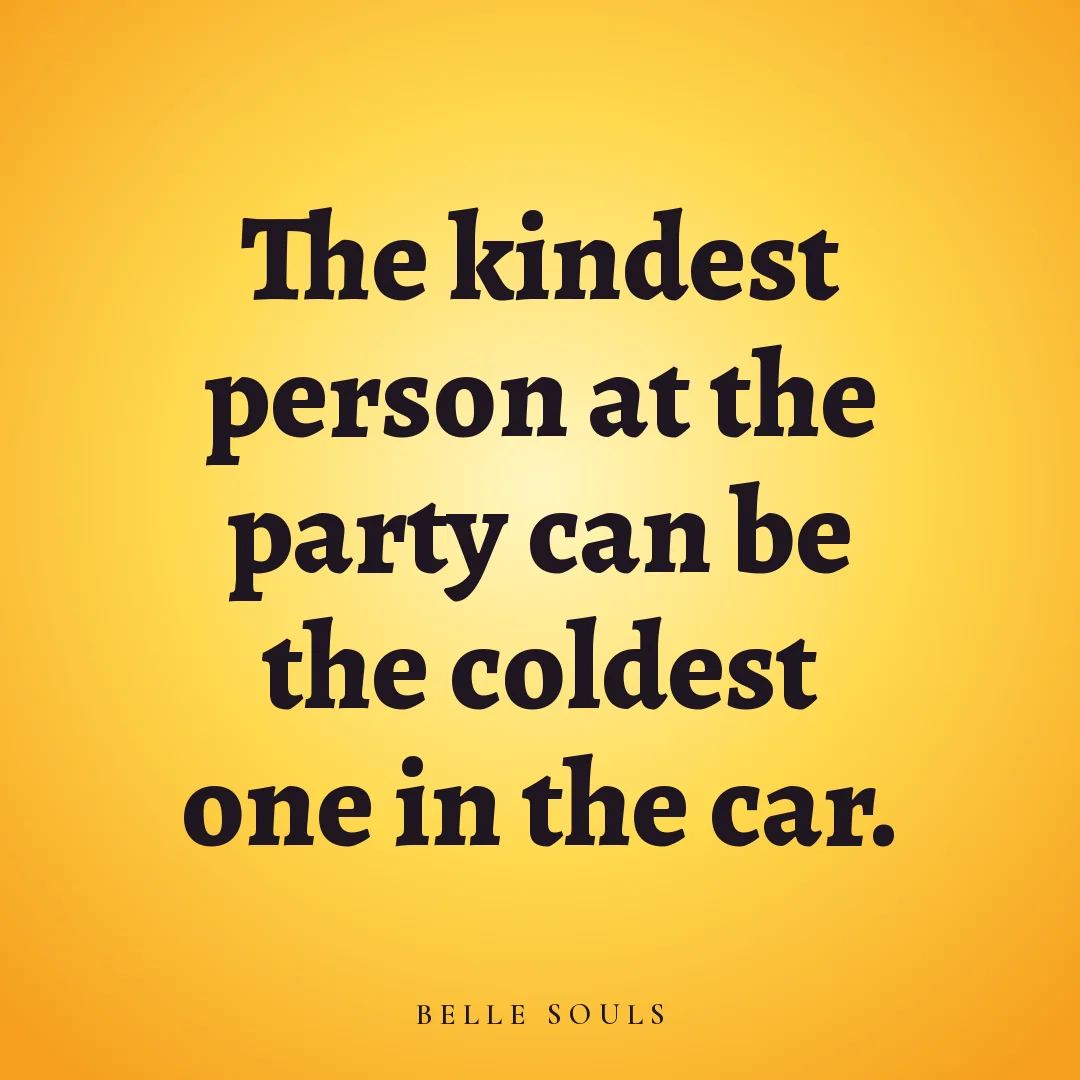
The kindest person at the party can be the coldest one in the car.
All evening they laughed, topped up drinks, asked your aunt about her knee. Then the car door shuts. Silence. Or a flat “Did you have to tell that story?”
Psychologists call this impression management. A narcissist may invest heavily in a public image, because admiration feeds their self-worth. At home, there’s no applause to earn.
So friends call you lucky, and you start doubting your own home.
Trust what happens behind closed doors.
#2 Old flames stay on speed dial
A narcissist often keeps exes and admirers close, just in case.
The ex who still gets a birthday message. The “just a friend” liking every photo at midnight. Ask about it and you hear, “You’re being paranoid.”
Research links narcissism with a game-playing love style and lower commitment. Love turns into a game they want to keep winning, with a spare player on the bench.
Suddenly you’re fighting for warmth that used to come free.
See also The Real Reason Narcissists Start a New Relationship Before You Can Even Say “Goodbye”
Watch what they do over months, not what they promise tonight. Feeling replaceable didn’t come from nowhere.
#3 Their version reaches your friends first
While you’re asleep, they may already be telling your friends a different story.
A quiet coffee with your best friend. A message to your sister: “I’m just worried about her. She hasn’t been herself.” By the time it reaches you, their story has a head start.
This has a name: relational aggression. It attacks your reputation and friendships instead of your body, so there’s no bruise anyone can point to.
Behave the way you always do and let time show the truth. If it touches your job or custody, keep records.
You don’t owe gossip a defence speech.
#4 Your wins quietly eat at them

Your good news can land like bad news on a narcissist.
You got the promotion. They say “Nice,” eyes still on the TV. An hour later there’s a fight about the dishwasher.
Why? Your success threatens their need to feel superior. So they shrink it, spoil it or quietly take credit for it.
Over time, happy moments start to feel risky, and you hide good news without thinking. Take it to people who actually cheer.
Notice who goes quiet when you win.
#5 Every slight goes in the ledger
A quieter kind of narcissist keeps a running list of slights, and you’re on it.
You laughed too long at your cousin’s joke. You forgot to ask about their day. Nothing is said. They sulk in the bedroom, then sigh: “I just thought you’d care more.”
Research describes this quieter form as touchy, resentful and self-pitying. It protects a fragile self-image by withdrawing and feeling wronged. Shyness isn’t this. The giveaway is entitlement under the quiet.
You end up apologising for their disappointment.
One way to tell: does an apology from them ever come without conditions?
#6 Payback comes days later
A narcissist may punish you days later for a comment you’ve already forgotten.
See also The Real Reason a Narcissist Turns a Simple Question Into World War III
Tuesday you said, “Actually, the meeting’s at four.” Friday they explode about your tone, your friends, your cooking. You’re left piecing together what set it off.
Research on threatened egotism found narcissists respond to insults with more aggression, aimed at whoever they blame. Being corrected can feel like an insult to them.
So you pre-edit every sentence.
You apologise for things you didn’t do. And if anger turns into threats, leave the room. Your safety comes before any argument.
#7 Secrets you shared become ammunition
Some manipulators quietly collect what you tell them and save it for later.
The row with your mum. The debt you were embarrassed about. Months later it comes out at dinner with friends: “Well, she’s never been good with money.”
Psychologists call this style Machiavellianism. It plays the long game, rarely loses its temper in public and keeps a clean reputation while working against you.
Which is why others see someone reasonable, and don’t believe you.
Share less. Put agreements in writing. Quiet is allowed.
#8 Some of them enjoy your worry
Some people get something out of watching you worry.
They say they’ll be home at seven. Seven passes, then nine, phone off. At midnight they stroll in, smirking: “Why are you always so dramatic?”
Researchers added everyday sadism to the dark traits to describe people who find small cruelties rewarding in themselves.
You feel hunted rather than loved.
Notice if your distress seems to please them. Playful teasing stops when you ask. This doesn’t.
#9 They scroll your phone while you sleep
Checking your phone and location, over and over, can be part of control.
You wake up and the phone is face down, not where you left it. Later: “Who’s Mark? Why did you text him at lunch?”
It’s called coercive control when one person imposes many small rules and checks, and punishes any break. Your world shrinks until you ask permission for ordinary things.
See also What Narcissists Keep in Their Home That Nobody Is Meant to See
Keep some money and contacts of your own. If you feel unsafe, a domestic abuse service can help you plan.
No single moment looks big. That’s how it works.
#10 Your tears get a blank stare
When you cry and nobody else is watching, a narcissist often changes the subject.
You finally admit the day was awful. They glance at their phone. “You’re too sensitive. Anyway, did you call the plumber?”
Here’s the twist. Studies found narcissists show more empathy when prompted to take your view. That suggests the coldness is often a choice.
So you stop sharing feelings at all.
Take your feelings to people who respond to them. Your pain isn’t too much. It just went to the wrong person.
#11 They accuse you of what they’re doing
What a narcissist accuses you of is often exactly what they’re doing.
“Who are you always texting?” from the one who hides their screen. “You’re so selfish” from the one who takes everything. “Why are you shouting?” at full volume.
Psychologists call this projection. Seeing an unwanted trait in you lets them avoid seeing it in themselves. So you defend things you never did.
And the real issue quietly disappears.
State the facts once. Then treat the accusation as information about them. What is it telling you?
If you saw your life in this list, that doesn’t make you foolish for not seeing it sooner. Missing betrayal by someone you depend on is a known, protective response of the mind.
Start with one trusted person and tell them the full story. Isolation is part of how this works, so reconnection is part of recovery.
And if a friend told you about that silent car ride home, you’d believe her. Give yourself the same kindness.
If you feel unsafe: in the US, call the National Domestic Violence Hotline at 1-800-799-7233 (thehotline.org). In the UK, call the National Domestic Abuse Helpline on 0808 2000 247. If you are in immediate danger, call your local emergency number.
Sources
- Goffman, E. (1959). The Presentation of Self in Everyday Life. Doubleday.
- Freyd, J. J. (1996). Betrayal Trauma: The Logic of Forgetting Childhood Abuse. Harvard University Press.
- Herman, J. L. (1992). Trauma and Recovery. Basic Books.
- Bancroft, L. (2002). Why Does He Do That? Inside the Minds of Angry and Controlling Men. Berkley.
- Neff, K. D. (2003). Self-compassion: An alternative conceptualization of a healthy attitude toward oneself. Self and Identity, 2(2), 85-101.
- Back, M. D., Kufner, A. C. P., Dufner, M., Gerlach, T. M., Rauthmann, J. F., & Denissen, J. J. A. (2013). Narcissistic admiration and rivalry. Journal of Personality and Social Psychology, 105(6), 1013-1037.
- Campbell, W. K., Foster, C. A., & Finkel, E. J. (2002). Does self-love lead to love for others? A story of narcissistic game playing. Journal of Personality and Social Psychology, 83(2), 340-354.
- Crick, N. R., & Grotpeter, J. K. (1995). Relational aggression, gender, and social-psychological adjustment. Child Development, 66(3), 710-722.
- Krizan, Z., & Johar, O. (2012). Envy divides the two faces of narcissism. Journal of Personality, 80(5), 1415-1451.
- Wink, P. (1991). Two faces of narcissism. Journal of Personality and Social Psychology, 61(4), 590-597.
- Miller, J. D., Lynam, D. R., Hyatt, C. S., & Campbell, W. K. (2017). Controversies in narcissism. Annual Review of Clinical Psychology, 13, 291-315.
- Bushman, B. J., & Baumeister, R. F. (1998). Threatened egotism, narcissism, self-esteem, and direct and displaced aggression. Journal of Personality and Social Psychology, 75(1), 219-229.
- Christie, R., & Geis, F. L. (1970). Studies in Machiavellianism. Academic Press.
- Jones, D. N., & Paulhus, D. L. (2014). Introducing the Short Dark Triad (SD3). Assessment, 21(1), 28-41.
- Buckels, E. E., Jones, D. N., & Paulhus, D. L. (2013). Behavioral confirmation of everyday sadism. Psychological Science, 24(11), 2201-2209.
- Stark, E. (2007). Coercive Control: How Men Entrap Women in Personal Life. Oxford University Press.
- Hepper, E. G., Hart, C. M., & Sedikides, C. (2014). Moving Narcissus: Can narcissists be empathic? Personality and Social Psychology Bulletin, 40(9), 1079-1091.
- Baumeister, R. F., Dale, K., & Sommer, K. L. (1998). Freudian defense mechanisms and empirical findings in modern social psychology. Journal of Personality, 66(6), 1081-1124.
Belle Souls articles explain patterns described in psychology research and recovery writing. They are not a diagnosis and not a substitute for help from a qualified professional.