The narcissist doesn’t need you to lose the argument. They need you to lose your grip on what happened.
You heard it. They swear they never said it. You saw it. They tell you you’re imagining things.
And somehow you end up apologising.
That’s gaslighting. Bit by bit, your trust in your own mind gets chipped away until their story is the only one left standing. Debating it gets you nowhere, because the facts were never the point.
So stop debating. Here are 10 cold, calm responses to gaslighting that leave no space for manipulation.
Why cold works
Gaslighting thrives when one person holds more power. You trust them, they own the story, and the past quietly gets edited.
Less reaction gives a manipulator less to work with. That’s the whole idea behind keeping your replies short and flat.
A cold response is short. It’s calm. It hands them nothing new.
One rule above the rest: use these only when it feels safe. If they might blow up, skip it. Silence counts too.
#1 That’s not what happened
The shortest answer to a rewritten memory is a calm, flat correction.
You mention the dig they made about your cooking last night. They look at you, puzzled. “That never happened. You’re making things up again.”
Your stomach drops. Maybe you did imagine it?
That’s the whole aim. Wear down your faith in your own eyes, and their version wins by default.
Honest memory slips happen to everyone. Being told you didn’t see what you saw is a different thing.
So say it once: “That’s not what happened.” Then stop.
No essay. No evidence hearing. Just the fact.
#2 It’s written down, so it’s real
A note written the same day is harder to argue with than a shaky memory.
Many women caught in gaslighting start keeping notes without quite knowing why. A date in the phone. A screenshot. The exact words, typed in the car before going back inside.
See also How Narcissists Fall Apart the Moment They Realize You Don’t Need Them
That isn’t paranoia. It’s your mind asking for something solid to stand on.
So when they say “I never promised that,” you don’t have to win the fight. You already know, because it’s written down.
Keep it private. It’s for you, not for a trial in the kitchen.
Write it the day it happens, while it’s fresh.
#3 We were talking about what you did
Bringing it back to the original problem shuts down their favourite escape route.
You raise the money they spent behind your back. Within a minute, it’s about your tone, your mother, the birthday you forgot three years ago.
Then they’re hurt. They’re crying. And you’re comforting them.
The pattern has a name: DARVO. First they deny, then they go after you, then they swap places and play the injured one. Studies show it leaves the woman who spoke up blaming herself.
That’s exactly why it ends conversations.
Skip the side fights. Say, “We were talking about the money,” and come back to it.
Again, if it’s safe to.
#4 Your no doesn’t need their approval
A boundary is something you do, so it never needs their approval.
You say you’re not lending the car this weekend. Expect pushback at first. “But why? That makes no sense. You’re being ridiculous.”
Suddenly it feels like your decision is on trial.
A boundary works through your own actions, so their agreement was never part of it.
No.
Say it one time. Then act on it, every time it comes up.
They don’t have to like it. They just don’t get a vote.
#5 My feelings aren’t too much
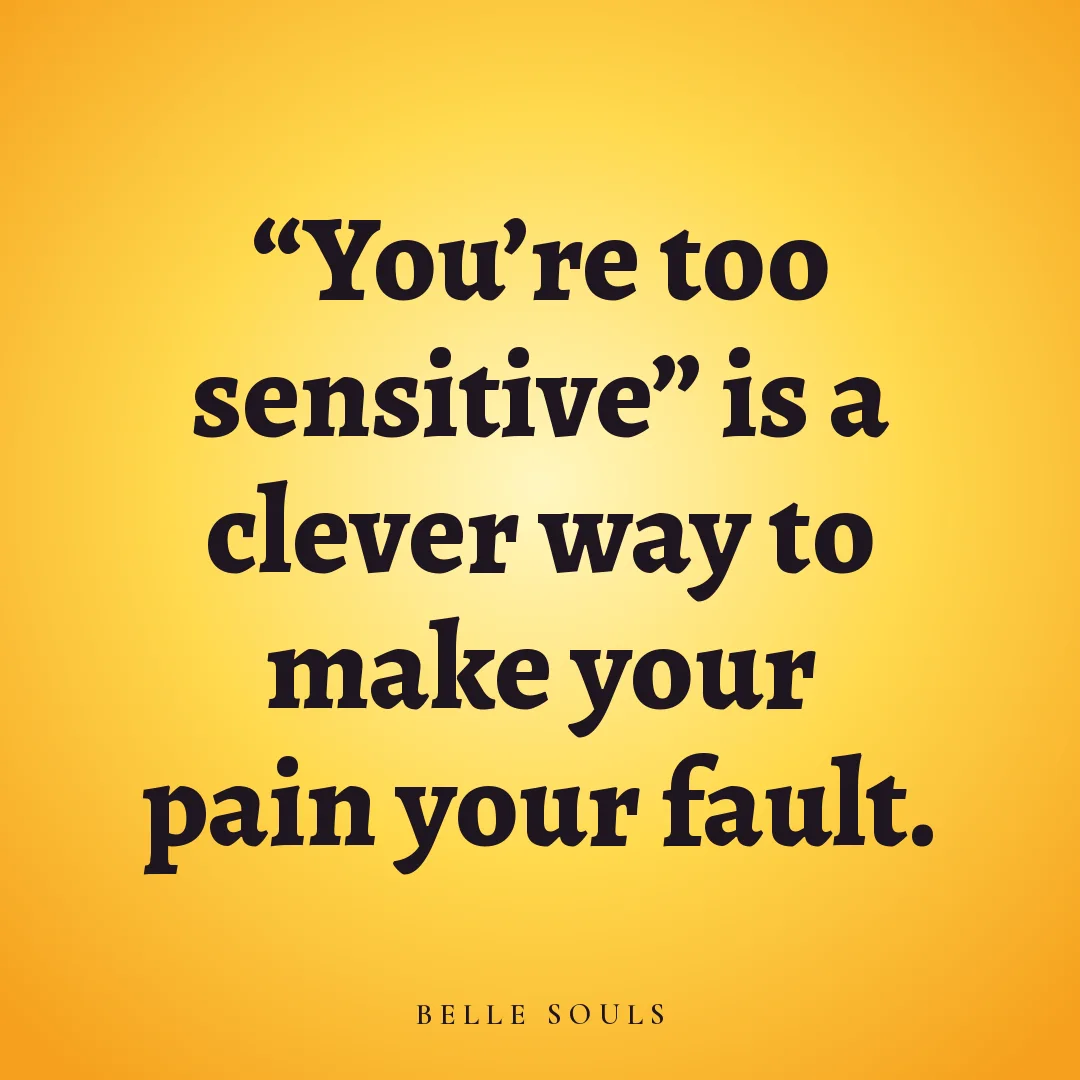
“You’re too sensitive” is a clever way to make your pain your fault.
You tell them their joke hurt. They change the subject, or sigh, “Here we go again.”
Here’s the uncomfortable part. Studies on empathy in narcissism suggest the understanding is often there. What’s missing is the will to use it, unless kindness gets them something.
See also 10 Things Narcissists Say About You When They’re Sure Nobody Is Listening
Over time you second-guess every reaction. Eventually you go quiet.
Try this instead: “My feelings are mine. You don’t have to agree with them.”
Then save your feelings for the friends who show up when you share them.
Why hand your hurt to someone who turns it into ammunition?
#6 I won’t defend what I didn’t do
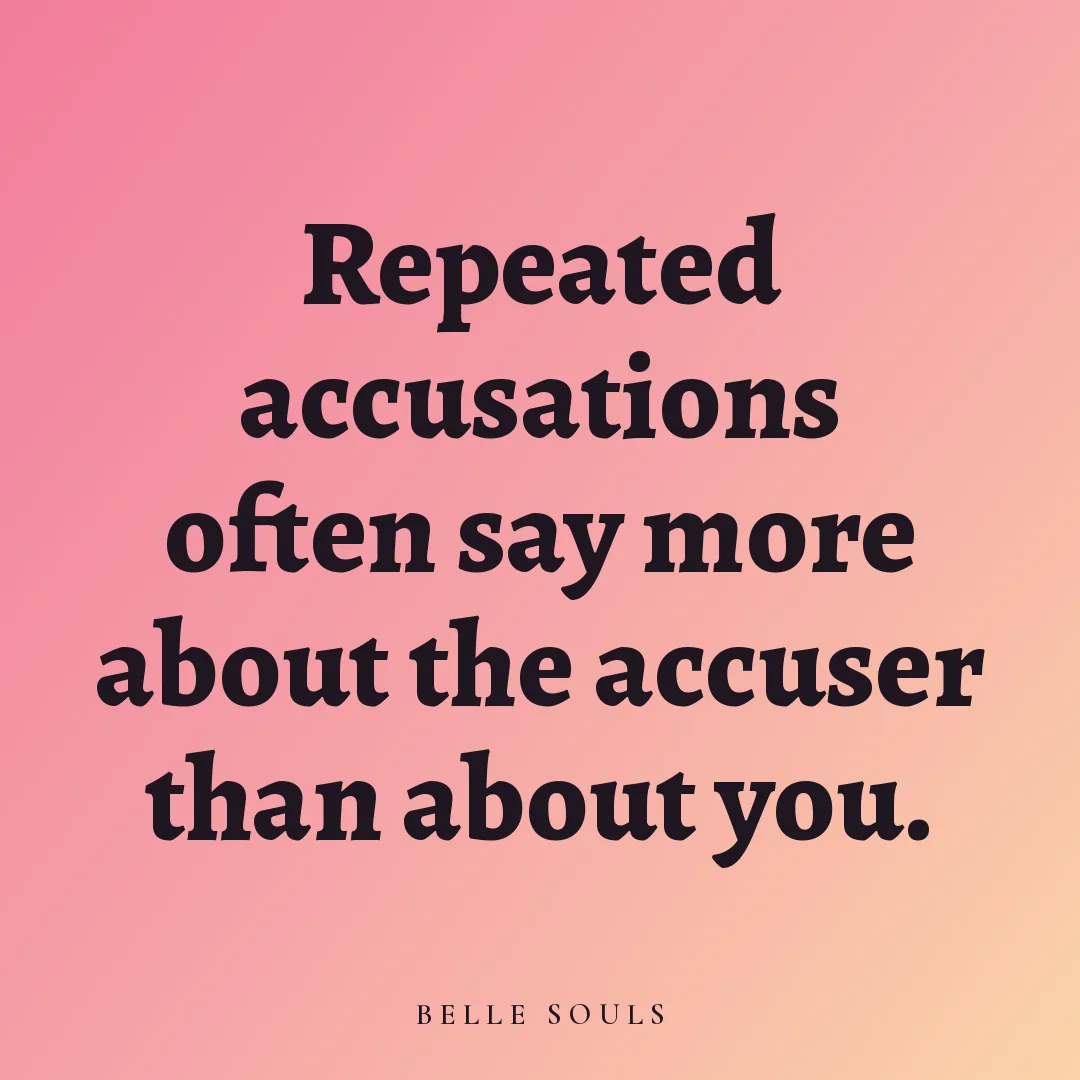
Repeated accusations often say more about the accuser than about you.
They come home late and grill you about who you were texting. They shout, then tell you to calm down because you’re so angry.
Psychologists call this projection. Pinning a trait they hate onto you means they never have to spot it in the mirror.
If you defend yourself for an hour, the real issue quietly disappears.
Say what’s true, one time. “That’s not true.” Nothing more.
Then file the accusation away as information about them.
Notice what they keep accusing you of.
#7 Okay is the most boring answer

Some manipulators feed on your reaction, so the coldest reply has no reaction at all.
They poke the insecurity they know about. They twist a story in front of friends. Then they watch your face.
Researchers use the term everyday sadism for the small pleasure some get out of watching another person squirm. The cruelty is its own reward. If your distress seems to please them, notice that.
Grey rock is a popular, informal name for going flat and dull when you can’t avoid them. “Okay.” “Hmm.” “If you say so.”
You’re not trying to beat them. You’re starving the fire.
With some people, going flat can backfire, so trust your gut about safety.
Less reaction, less for them to work with.
#8 Walking away ends the game
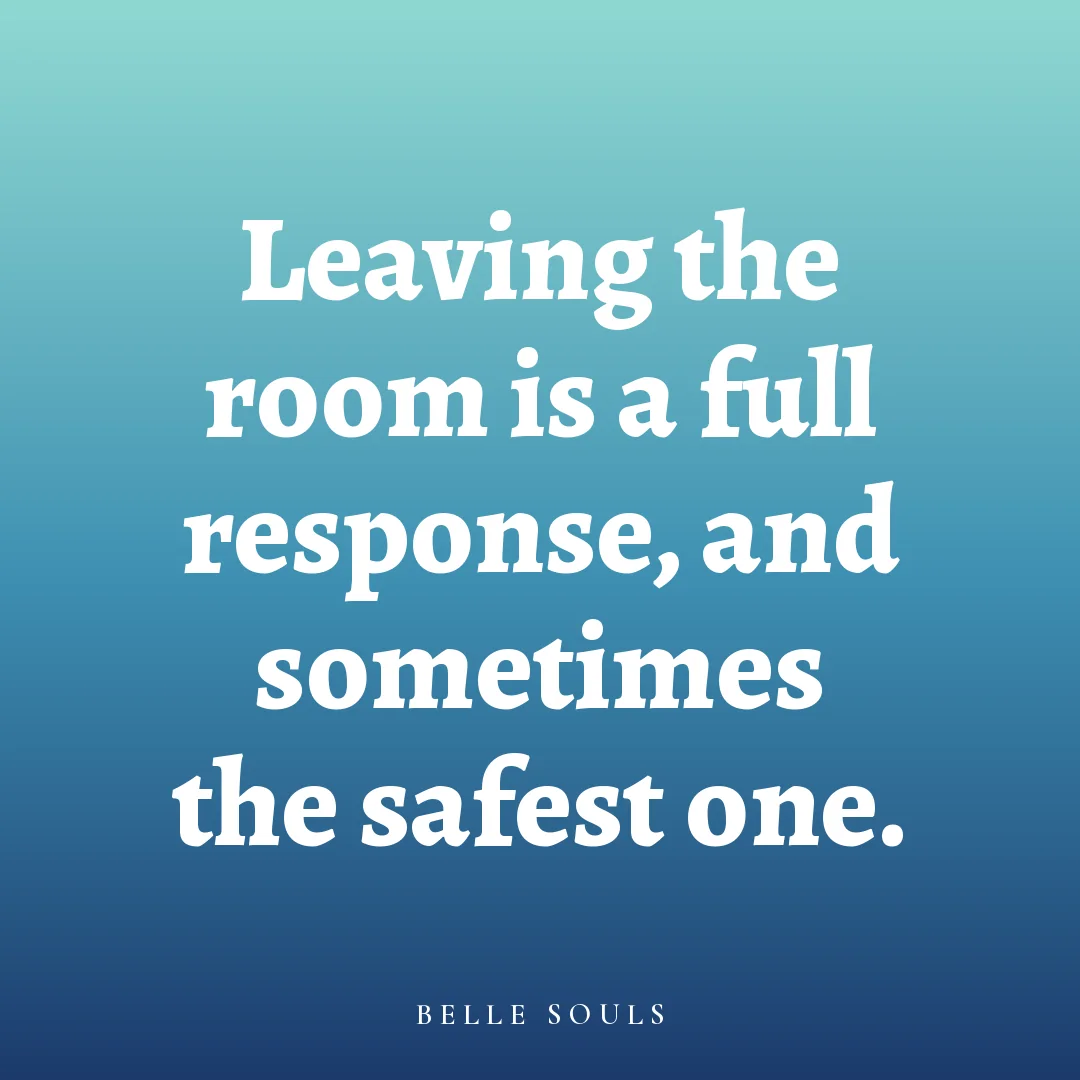
Leaving the room is a full response, and sometimes the safest one.
You ask one simple question about the bill. Their face changes. The volume rises. Now it’s a fight about how you “attack” them.
See also What Happens When The Narcissist Picks On The Wrong Person?
Research on threatened egotism shows that when a narcissist’s image takes a hit, the anger often lands hard on whoever they blame for it.
To them, a plain question can feel like a hit.
You can say, “I’m going to step out,” and go. Or say nothing and leave.
And if the shouting turns into threats or breaking things, get out and get help. That isn’t an argument anymore.
Step out, close the door, and let the fight go on without you.
#9 Their agreement isn’t required

You don’t need them to agree before you believe yourself.
You may catch yourself waiting for the day they finally say, “You’re right, that happened.” Meanwhile, they keep control of the story.
And they’re charming with your friends. People tell you you’re lucky. Nobody sees the silent car ride home.
That polished public face makes your own memory feel even less trustworthy.
So check reality somewhere else. Run it past a friend or relative who isn’t inside this, ideally one who’s watched both the charming version and the other one.
A cold, quiet line helps too: “We recall it differently. I’m fine with that.”
Then change the subject. You don’t need a ruling.
#10 Being hurt doesn’t need an apology
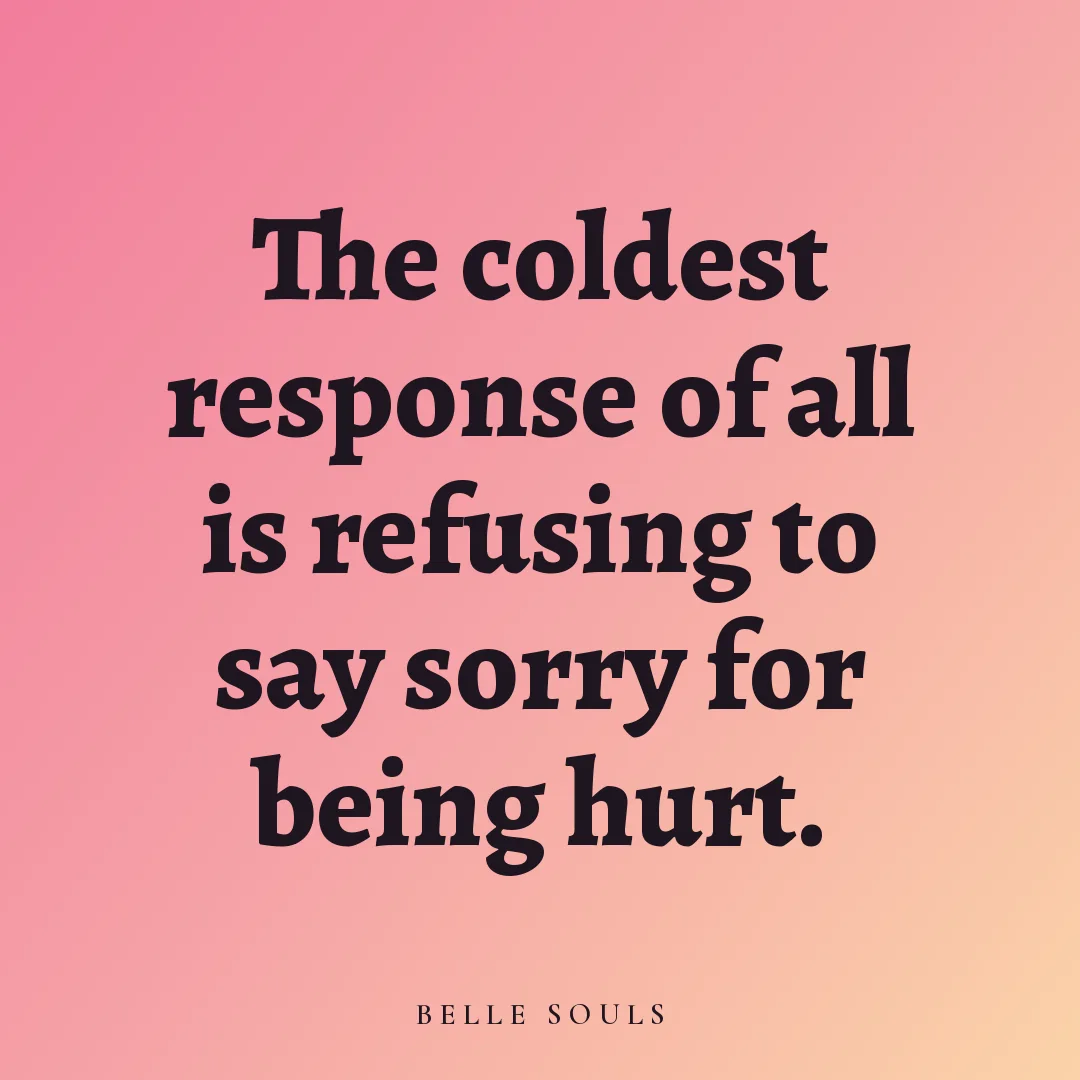
The coldest response of all is refusing to say sorry for being hurt.
Think about how many fights ended with you apologising. For crying. For “making a scene.” For bringing up something they did.
Apologising when you were the one hurt is a common effect of being gaslit. It can become automatic.
Next time, catch the word before it leaves your mouth.
Pause instead. Say nothing, or simply, “I need a minute.”
Afterwards, talk to yourself the way you’d talk to a friend. Being gentle with yourself loosens the shame and self-blame these fights leave behind.
Tonight, try one kind sentence to yourself instead of one more sorry.
You don’t have to win against a gaslighter. You only have to stop handing over your memory.
Start with the smallest line here: “That’s not what happened.” Say it once, out loud or only in your head, and let it steady you.
And if it helps, let one person you trust hear everything. What you saw happened.