Everyone says how lucky you are. So generous. So funny. Always the first to help.
Then the front door shuts, and somehow you’re the problem again.
A narcissist wants to star in every story. And every star needs a supporting cast: someone to rescue, someone to blame, someone who falls short. Lately, that’s you.
You’re not imagining it.
Here are 7 ways narcissists play the hero while tearing down everyone around them, and why it works so well.
Why the hero role matters so much
A narcissist’s sense of worth often leans on outside approval. Without a steady flow of it, they wobble. So the people nearby get sorted into fans and threats.
Research on narcissistic admiration and rivalry describes two engines running side by side. One wins people over with charm and self-promotion. The other guards their status by cutting others down.
Hero and wrecker. Same hunger.
At first, the charm usually leads. Later, the cutting side takes the wheel. That’s why the beginning felt so warm and now feels so cold.
#1 Everyone else thinks they’re wonderful
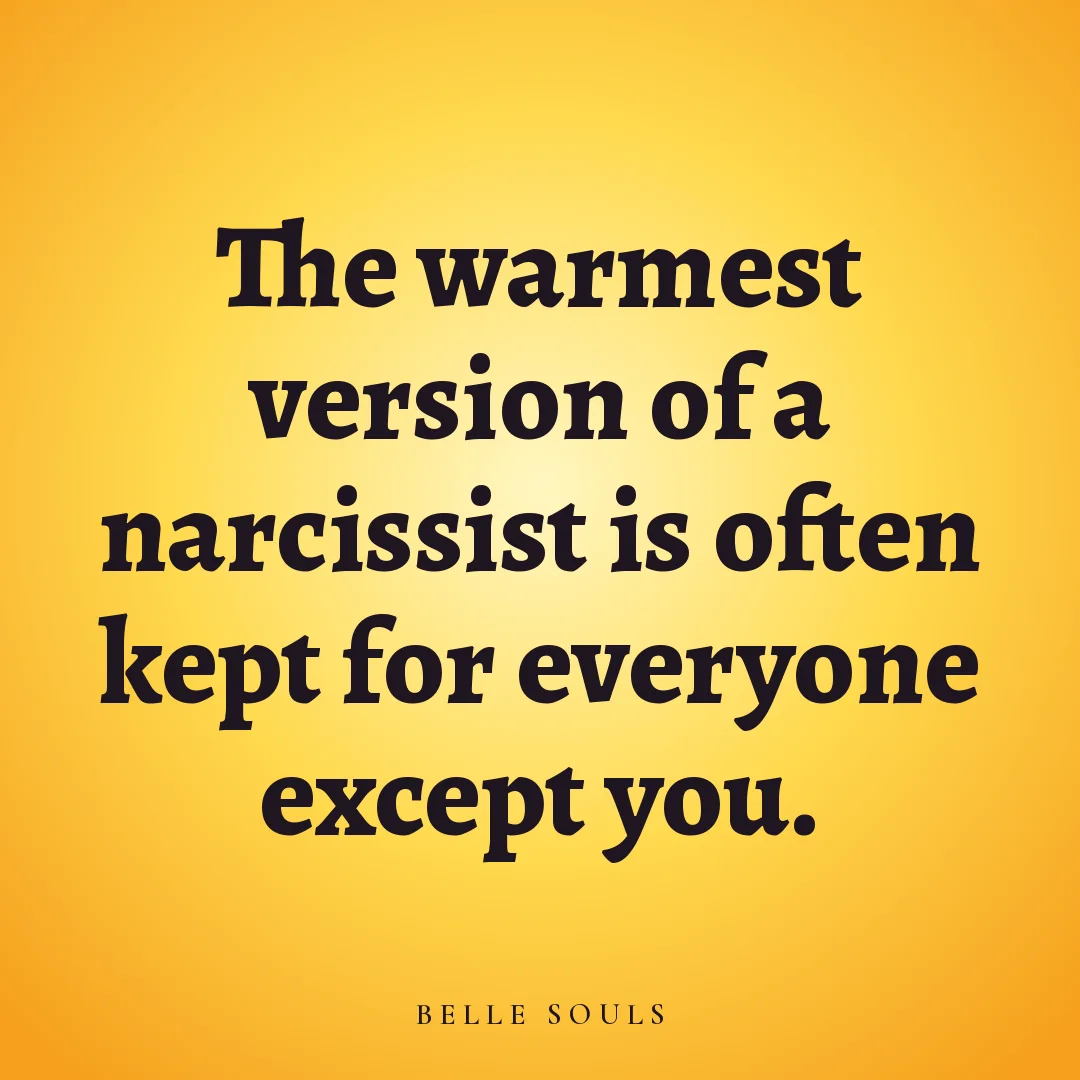
The warmest version of a narcissist is often kept for everyone except you.
At the barbecue they’re the star. Flipping burgers, remembering birthdays, telling the joke that gets the big laugh. Your cousin nudges you: ‘He’s such a catch.’
Then the drive home. Cold silence, or a play-by-play of how you embarrassed them.
Why the switch? A polished public image brings in admiration, and admiration is what keeps a narcissist’s self-worth propped up. At home, the audience has gone.
That’s what makes it so lonely. If everyone outside sees a saint, your own memory starts to feel shaky.
Believe what happens when the doors are shut. That’s who they are.
Not the barbecue.
#2 Your work becomes their win
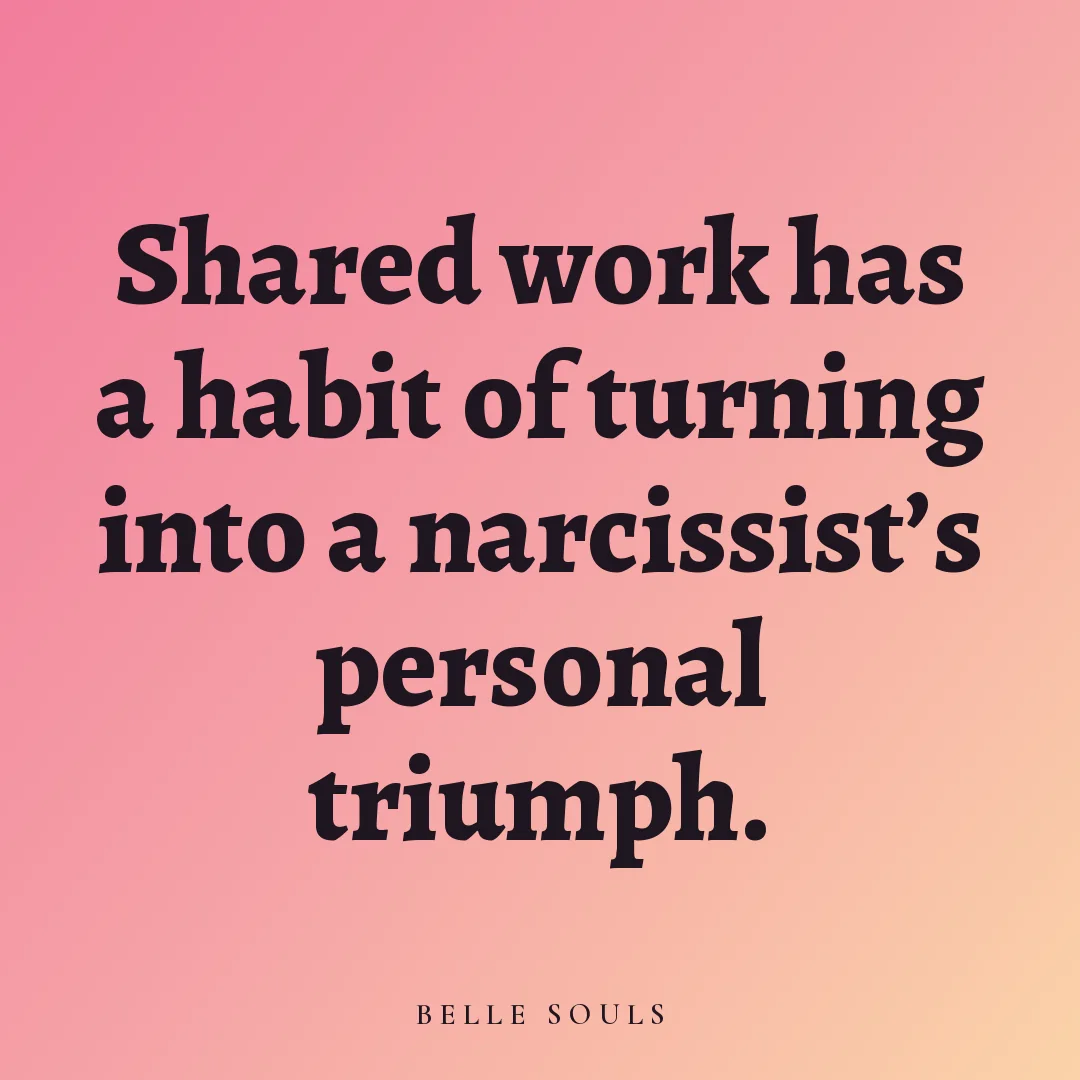
Shared work has a habit of turning into a narcissist’s personal triumph.
You organised the whole holiday. Found the deals, booked the rooms, packed for everyone. Over dinner with friends, they grin and say, ‘Took me ages to plan this one.’
See also The Unsettling Reason Narcissists Hate to See You Happy
You start to speak. Then you don’t.
Researchers call this entitlement. It’s a fixed sense of being owed more than other people, with rules that only bind the rest of us. Grabbing credit slots right in.
And it wears you down. Wanting things to be even begins to feel like picking a fight, so you let it go. Then again. Soon lopsided feels normal.
Jot down what you give, privately. Not as ammunition. Just so you can see it.
Whose name keeps landing on your effort?
#3 Your good news makes them go sour

To a narcissist, your good news can land like a personal insult.
You get the new job. You ring them first, thrilled. They pause and say, ‘Hope you’re not going to get big-headed about it.’ Then they talk about their day.
Your birthday? Somehow it ends in a row.
Research ties envy to narcissism, most of all the quieter, touchier kind. When you shine, it rattles their need to feel above you. So your win gets shrunk, borrowed or ruined.
The hero can’t be upstaged by the sidekick. Over time you stop sharing. Even good days start to feel dangerous.
Watch whose face falls when things go right for you. Then bring your news to the friends who cheer.
That joy is yours!
#4 In every story, they were wronged
Bring up one problem with a narcissist and you could finish the night saying sorry.
You point out, gently, that your mum waited an hour at the station because nobody came. Soon it’s ‘I never agreed to that, and I can’t believe you’d go for me after the week I’ve had.’
Then the sulk. And now you’re the one consoling them.
Psychologists have a name for this: DARVO. Deny it, go on the attack, then swap the roles of the one who did harm and the one who was harmed.
Studies show it pushes the one who spoke up to blame herself more. No wonder it ends conversations so fast.
See also How to Make a Narcissist Chase You, Unravel, and Self-Destruct
Quieter narcissists have their own way in: long sulks and a running tally of slights, until they’re the wounded party.
Try this. Say the first issue again, plainly, and stay with it. Skip the counter-attack.
Your mum. The station. That’s the issue.
#5 They accuse you of what they’re doing
What a narcissist accuses you of can be a clue to what they’re up to.
They’re yelling, and they tell you to stop yelling. They hide their phone, then ask who you’ve been messaging.
‘You only ever think of yourself,’ they say, holding the last slice.
Psychologists call this projection. Pinning a flaw on someone else saves a person from noticing it in the mirror. In the hero’s story, the flaws need somewhere to go.
Guess where.
So whole evenings disappear defending yourself against things you never did. By the end, nobody remembers what the fight was about.
When the same accusation keeps coming, read it as a hint about them. Say what’s true one time, then stop. No closing speech needed.
#6 The story reaches your friends first
A narcissist may tell their version to everyone before you’ve said a word.
Your sister messages, ‘Why are you doing this to the family?’ A friend stops replying. Someone hints they heard you’ve been ‘struggling, mentally.’
You never spoke to any of them about it.
Researchers call this relational aggression. Instead of hurting your body, it goes after your name and your friendships. There are no bruises to show anyone, and that’s part of its power.
Some people call the messengers ‘flying monkeys’. It’s a popular nickname, not a clinical term, for well-meaning people repeating a story where the narcissist is the wounded one.
Skip the defence speech to the messengers. Share less, stay your usual self, and give the truth time to surface.
Your calm says plenty.
#7 Seeing it late doesn’t make you foolish
Missing it for so long was your mind guarding a bond you relied on.
See also 9 Ways Toxic Grandparents Try to Take Your Place as the ‘Real’ Parent
Maybe friends spotted it before you did. Maybe your stomach knotted before every visit, and you had no idea why.
Then one ordinary afternoon, everything clicks.
Psychologists call this betrayal blindness. If you depend on someone, your brain can quietly screen out signs that they’re betraying you, just to keep the connection standing.
So the clarity often comes with grief. Sometimes shame, too, for not seeing it sooner.
Go easy on yourself about what you couldn’t see then. It was protection, not stupidity. And you see it now.
Their hero story will never sound the same again. Good.
You don’t need to win the fight over who the real hero was.
What happened is real, even if the barbecue crowd never saw it.
Start small. One honest conversation with someone who’s seen both sides can make the floor feel solid again.