You say one small no, and the whole evening tilts.
They sulk. They push. They tell you you’ve changed.
Narcissists rarely look scared. But watch what happens when you hold a limit, even a tiny one.
To someone who feels entitled to more than everyone else, an ordinary limit can feel like a personal attack. That’s why the small stuff rattles them so much.
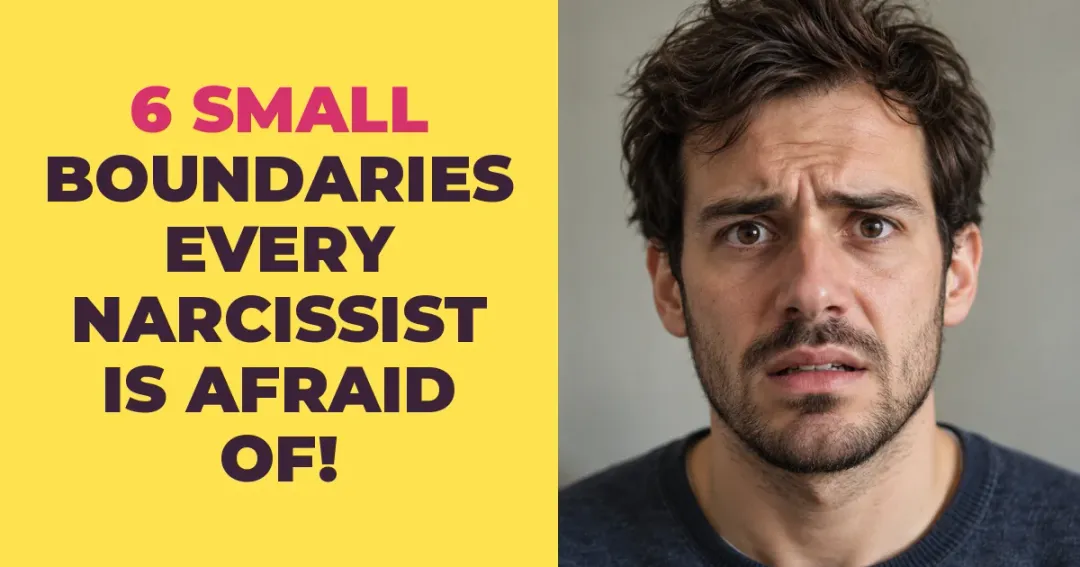
Here are 6 small boundaries a narcissist is afraid of, and why each one lands right where it hurts.
Why small limits feel huge to them
Boundary is a popular word without a strict definition. The most useful version: a boundary is what you will do to protect yourself. Think of it as the opposite of coercive control, where one person piles rules onto the other.
That’s the part a narcissist hates. It runs on your actions, so it doesn’t need their agreement, their approval or their good mood.
Add entitlement, and every ordinary limit can feel like an insult to them. Some pushback at the start is expected.
Pushback doesn’t mean you got it wrong.
#1 You stop defending yourself on repeat
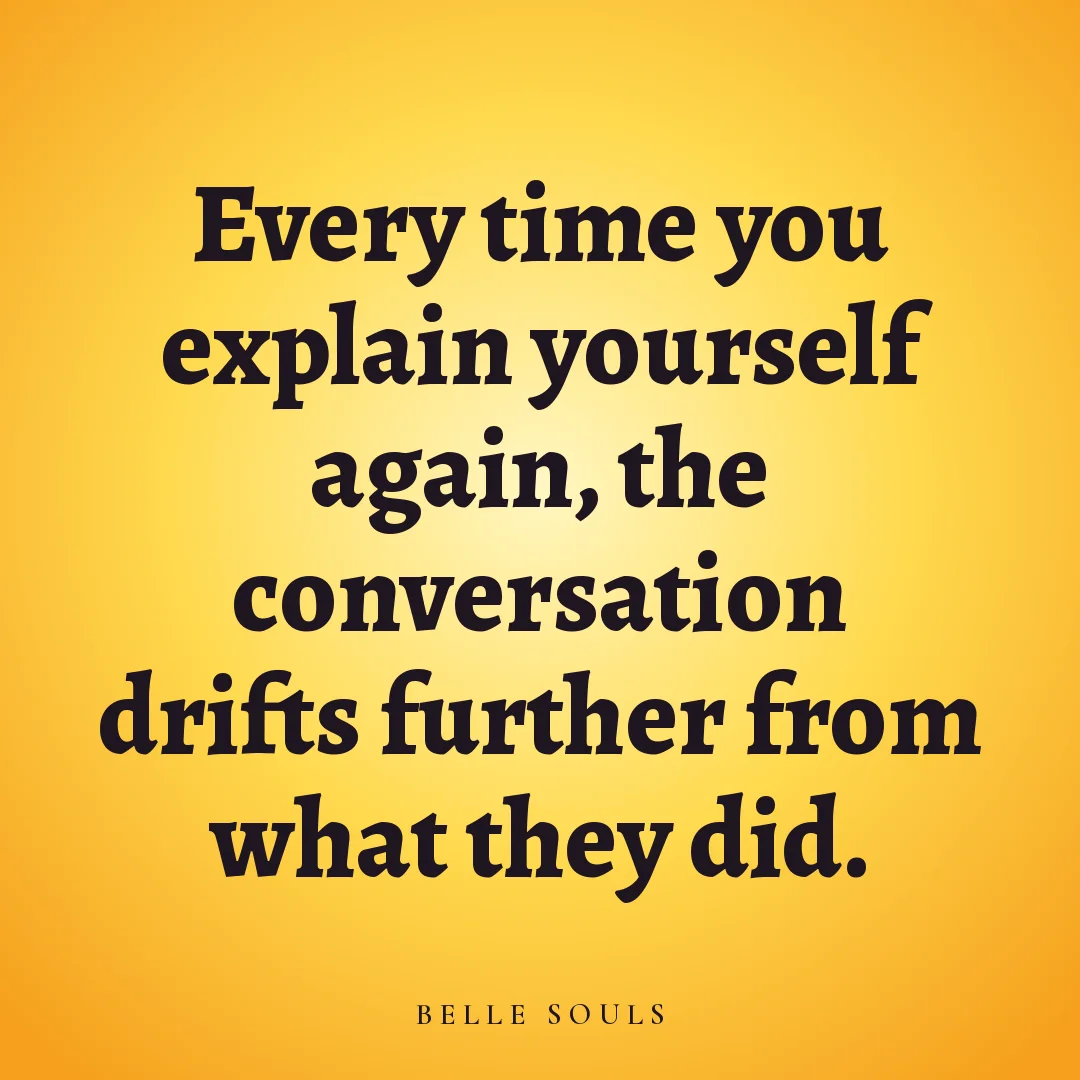
Every time you explain yourself again, the conversation drifts further from what they did.
You bring up the comment they made in front of your friends. Two minutes later, you’re defending your tone, your timing and something you said three summers ago.
“I never said that. And honestly, how dare you accuse me?”
Psychologists have a name for this three-step move: DARVO. First they deny, then they attack, then they swap roles so they’re the one who got hurt. Studies show the person who spoke up ends up blaming herself more.
So you end up apologising. For bringing it up.
That’s the trap. After enough rounds, you stop raising problems at all, because what’s the point?
The boundary is small. Say what the issue was, once, and steer back to it whenever they wander. Their counter-attacks don’t each need a reply.
See also 5 Body Language Signs a Narcissist Is Lying to You
“We were talking about what you said.” Calm, flat, on repeat. Watch the reversal stop working.
#2 A plain no with nothing after it
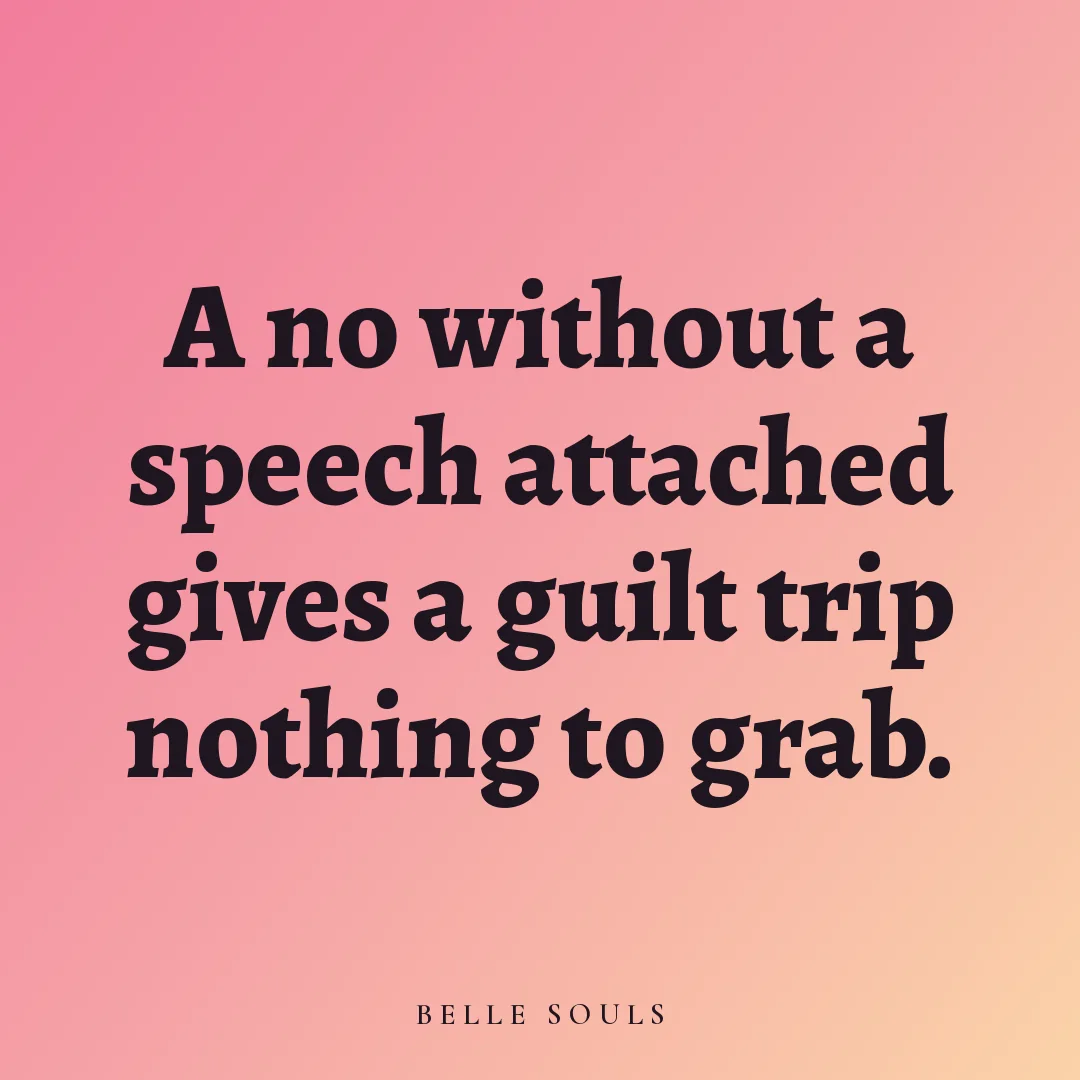
A no without a speech attached gives a guilt trip nothing to grab.
They want you to cover the bill again, or drive across town on your only free evening. You hear yourself start with “I’m so sorry, it’s just that…”
And there it is. A reason they can argue with.
There’s a popular label for this squeeze: FOG, short for fear, obligation and guilt. It’s a nickname for emotional blackmail rather than a diagnosis, and it overlaps with what researchers call coercive control.
“After everything I’ve done for you?” The sigh. The old favours dragged out again. The silent disappointment that lasts until you cave.
Over time, yes becomes automatic. Their moods start to feel like your job.
So try a pause before you answer. Then: “No, that doesn’t work for me.” Full stop. No essay.
Their feelings about it are theirs to carry.
#3 Your replies come when it suits you
To an entitled partner, waiting even an hour can feel like a personal insult.
The message pings at 11:40 pm. Then another. Then “Hello??” Then “Wow. Nice to know where I stand.”
You used to answer within seconds. In the bathroom, at work, halfway through dinner with your sister.
Research on entitlement describes a steady belief that rules apply to everyone else. Ordinary limits, like you having a life, start to feel like attacks to them.
Meanwhile you give more and get less. Every buzz makes your stomach drop.
Not answering late-night messages is one of the quietest boundaries there is. No announcement, no fight. You reply in the morning, when you’re ready.
Expect pushback at first. That comes with the territory.
Your phone isn’t their leash.
#4 Some things stay yours
Whatever you tell a manipulator today can turn up as ammunition next month.
See also 7 Things Narcissists Say That Really Mean the Opposite
You told them about your fear of failing, late one night, when things felt close. Then, mid-argument: “This is why your boss doesn’t take you seriously.”
Ouch. And you can’t take it back.
Research on Machiavellian traits describes people who collect information to use later, while keeping a calm, reasonable face in public.
Studies on low empathy add a sting: many narcissists can understand what you feel, but choose not to act on it unless it serves them.
So you start doubting your own reactions. Maybe you are too sensitive?
Sharing less isn’t lying. It’s choosing who gets the soft parts of your life.
Take your feelings to people who respond to them. Let the narcissist have the weather report.
#5 You walk out when it turns ugly
You don’t have to stand there while anger turns into threats.
It starts with a basic question. “Did you pay the electric bill?” Ten seconds later, cupboard doors are slamming and somehow it’s about your mother.
Research on threatened egotism found that when narcissists feel insulted, they respond with more aggression, aimed at whoever they blame.
Even a mild question can count as an insult.
So you pre-edit every sentence. You apologise for things you didn’t do, just to bring the temperature down.
A boundary here sounds like this: “If you shout, I’ll leave the room.” Then you do. Every single time.
If the anger includes threats, breaking things or hurting you, that’s a safety issue, and help lines exist for exactly that moment.
Your exit is the boundary. Not your argument.
#6 They never get a vote on it
A boundary works without their permission, and that’s what makes it so hard to fight.
You don’t call a family meeting. You don’t post a speech. You just stop picking up the bait.
They make the snide comment about your weight at Sunday lunch. You pass the potatoes. “Mm.”
There’s a popular name for this: grey rock. Staying dull and unreactive when contact can’t be avoided.
See also 7 Signs a Narcissist Is Faking Their Love for You
Grey rock won’t win the argument. That’s not the point. Fewer emotional reactions give them less to work with, and over time the bond that keeps pulling you back can fade.
It can feel strange at first, almost like withdrawal. Calm tends to come later.
One caution: going quiet may not be safe with someone who might escalate. A domestic violence service can help you plan for that.
They never agreed to your limits. They don’t need to.
None of these boundaries need to be loud. Most of them happen in a pause, a slower reply, a door you close gently behind you.
The guilt at the start is normal. Self-respect tends to grow in its place.
Pick one. Just one. Try it this week, somewhere it feels safe.