A narcissist can look you in the eye and rewrite yesterday.
No pause. No flicker. Just a calm new version of events, delivered so smoothly that you’re the one who walks away unsure.
You replay it in the shower. You scroll back through old texts. You wonder if you’re losing it.
The pattern is real. The same lies show up again and again, at the dinner table, in text threads, on the drive home.
Here are 8 things narcissists commonly lie about, often without a second thought, and what each lie is really doing to you.

Why the lies come so fast
A narcissist’s sense of worth leans on outside confirmation. Your praise. Your agreement. Your silence.
So the people around them get sorted quickly: a source of admiration, or a threat to it.
Research on the loud and quiet sides of narcissism describes both as ways to protect a fragile self-image.
That’s the job many of these lies do: protect the image. From the outside, they can feel automatic.
#1 Your memory is wrong, apparently

A narcissist can edit the past so smoothly that your own memory starts to feel suspect.
You bring up the comment they made at your sister’s dinner. They frown, genuinely puzzled. “That never happened.” Then, softer: “You’re too sensitive.”
Psychologists call this gaslighting. It thrives when one person holds more power, because the more you trust them, the more they get to decide the story.
Soon you’re saving screenshots just to feel sane. You say sorry for a hurt that landed on you.
One way to tell: couples recall the same night differently all the time. Gaslighting goes further. It denies what you saw so your own eyes stop counting.
Jot down the date and what was said, then run it past a friend who isn’t part of it.
Paper doesn’t gaslight.
#2 They’re better than everyone else

In the narcissist’s version of life, they’re the smartest person in every room.
See also 7 Creepy Everyday Habits of a Narcissist
The promotion they missed becomes the one they turned down. The boss is jealous. The neighbours are jealous. Everyone, somehow, is jealous of them.
Inflated wins are a big part of the pattern. If their worth rests on applause, a plain story won’t do. It has to shine.
Now watch what happens when you shine.
Research on narcissistic admiration and rivalry describes them guarding their status by cutting others down. Your raise gets a shrug. Your idea gets picked apart in the car.
Bit by bit, your good news feels risky to say out loud.
Your raise deserves a cheer, not a shrug. Tell someone who’ll give it.
#3 Everyone is on their side
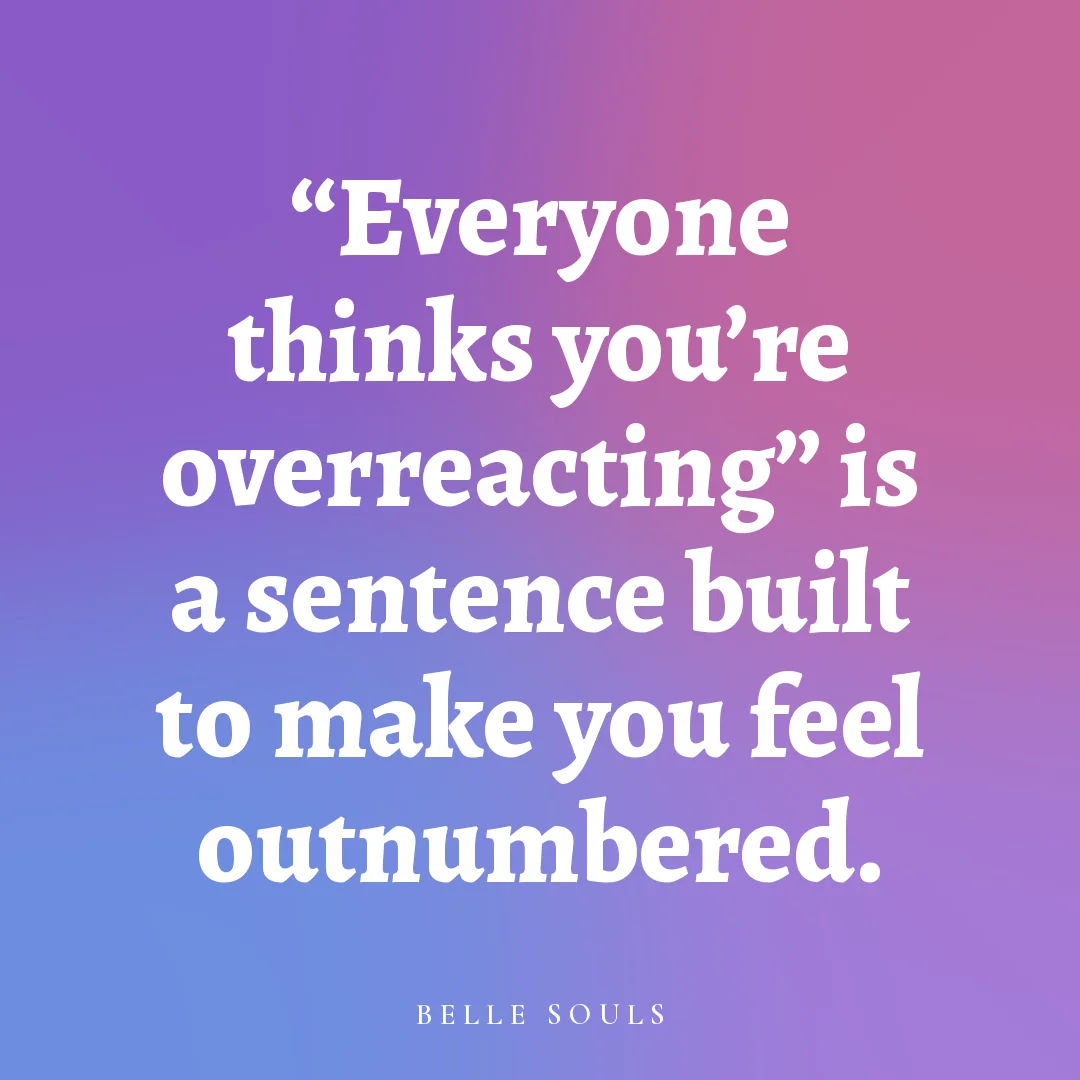
“Everyone thinks you’re overreacting” is a sentence built to make you feel outnumbered.
Who is everyone? Their mother. A coworker you’ve never met. An ex who, apparently, “always understood” them in a way you never could.
This is triangulation: dragging a third person into a problem that belongs to two. Family systems research sees it as a way to ease tension without ever dealing with it head-on.
So instead of sorting things out between you, you’re suddenly competing. With their sister. With a stranger. With a ghost from years ago.
It starts to feel like three against one at your own table.
Venting to a friend you trust is normal, and it’s support. Recruiting people to lean on you isn’t.
Raise the problem with them directly. And refuse to compete with the third person.
#4 The future is always next year

The house, the trip, the wedding: the plans are just real enough to keep you holding on.
“After this busy patch, I promise.” The busy patch never ends. The trip gets moved and never rebooked. The ring stays a conversation.
Online, this has a name: future faking. It’s a popular label, not a clinical one, for big detailed promises with no follow-through.
It links to research on sunk cost. Planning together builds commitment, and once you’ve poured yourself into that future, leaving feels like losing it.
See also A Dark Empath Is Something No Narcissist Sees Coming, and It Turns Into Their Worst Nightmare
So you wait. And when you ask, you feel unreasonable.
Sometimes the promise gets denied later, too.
Judge by what has actually happened so far. Then set a timeline of your own. If theirs keeps slipping, don’t wait on it.
#5 Sorry comes with a catch

A narcissist’s apology often arrives with a tail attached.
“I’m sorry you feel that way.” “I’m sorry, but you pushed me to it.” “Fine. I’m sorry. Happy now?”
Many are hypersensitive to criticism while acting like it can’t touch them. Push back, and the roles flip. Suddenly they’re the one who’s been hurt.
The quieter type often keeps score of slights, yours included, ready to pull out the moment you complain.
So you tiptoe. You plan your words before you even raise it.
One way to tell: notice whether a sorry ever comes with no conditions attached.
No “but”. No “you made me”. Just sorry.
#6 The charming one at the party

The person everyone else meets is not the person who comes home with you.
At the party they’re funny, generous, attentive. They top up your drink and laugh at your stories. Then the car door shuts and the silence starts.
Everyone shapes how they come across. Narcissists pour extra effort into it, because admiration props up their self-worth.
Sure, plenty of us are more polite in public. The gap here is bigger: kind out there, cruel in here.
Your friends say, “You’re so lucky.” You smile and say nothing, because who would believe you?
Slowly, you start second-guessing what you live through every day.
Believe the version you live with. That’s the real one.
#7 Somehow it’s always your fault

Bring up one problem and somehow you’ll walk away saying sorry for three.
You mention the cancelled plans, again. “I never did that. How dare you?” Minutes later you’re hearing everything wrong with you. Then come the tears, or the sulk, until you’re the one doing the comforting.
See also The One Sentence That Instantly Shuts Down a Narcissist
There’s a research name for this: DARVO. They deny it, attack you, then swap places so they’re the victim and you’re the offender.
Research found it leaves the person who spoke up blaming herself more. That’s what ends the conversation.
Over time, you quit bringing things up.
If you do speak up, don’t chase every jab they throw back. Return to your first point, calmly, and stay there.
It didn’t vanish just because they cried.
#8 Their accusations tell on them
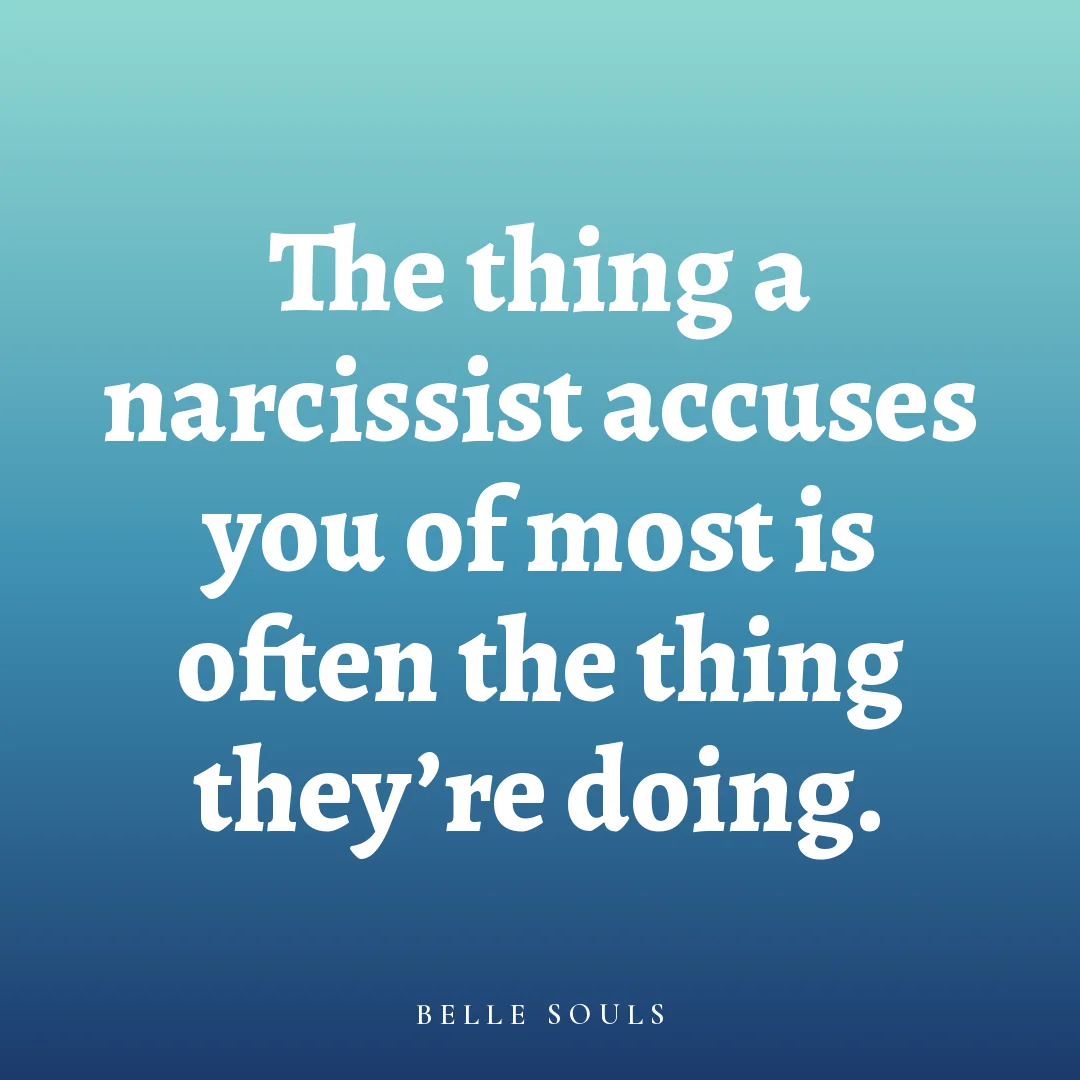
The thing a narcissist accuses you of most is often the thing they’re doing.
They’re shouting, and you’re “so angry”. They took everything, and you’re “selfish”.
Psychologists call this projection. Pinning a trait on you saves them from noticing it in the mirror.
Meanwhile you’re busy fighting charges that were never true, and the real issue quietly slips away.
Fair feedback can sting and still be fair. The tell is the same accusation, over and over, that just doesn’t fit you.
Don’t over-defend. State the facts once, then stop explaining.
Their accusation is information. About them.
Pick the one lie on this list you recognise most. The next time it happens, write down the date and the exact words.
Then show it to one person who’s firmly in your corner.
When the story gets rewritten, you’ll still have the original.