That long sigh when you walk in. The little scoff while you’re mid-sentence.
Nobody said a word, and still you feel about two inches tall.
A narcissist doesn’t need words to cut you down.
And if you mention it, you already know the answer: “What? I didn’t say anything.”
It’s not in your head. Those sounds carry a message, and it lands.
Here are 8 dismissive sounds a narcissist makes, what each one is really doing to you, and what helps.
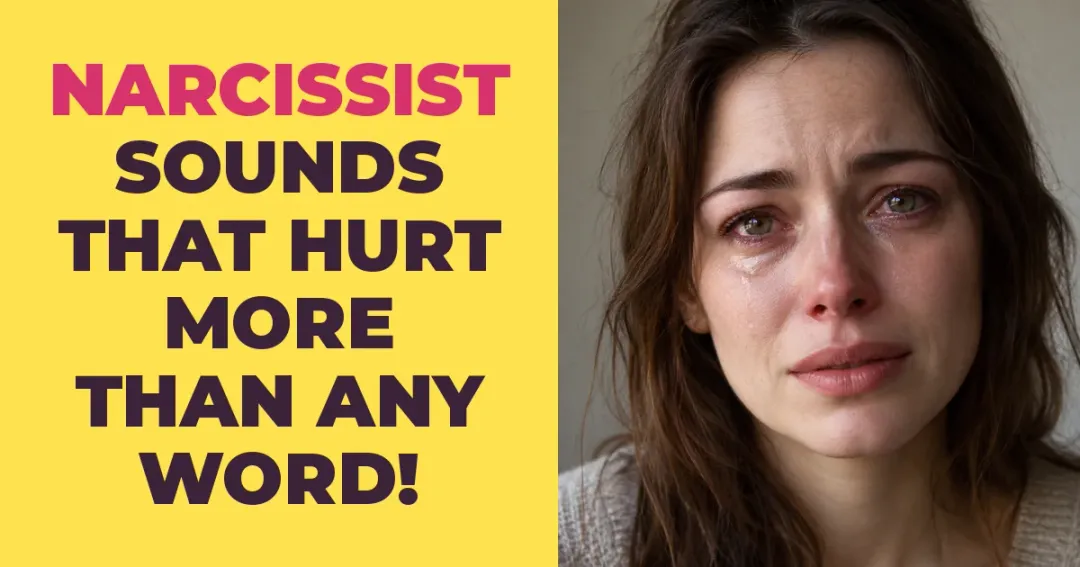
Why a sound hurts more than words
A sound is the perfect weapon for anyone who wants deniability.
Words can be quoted back. A sigh can’t. So when you react, they get to say “That never happened” or “You’re too sensitive,” and the spotlight swings onto you.
Psychologists call this gaslighting. The aim is to shake your trust in your own eyes and ears until their story is the only one left standing. It takes hold most easily where one person holds more power.
One habit helps right away. Jot the moment down while it’s fresh, and run it past a friend who isn’t part of the relationship.
#1 Their sigh is a guilt trip
A narcissist’s sigh can do the work of a whole guilt trip.
You ask if you can see your sister on Saturday. They don’t say no. They just breathe out, long and slow, and stare at the sink.
Five minutes later you’ve cancelled. Nobody asked you to.
There’s a popular name for this: FOG, short for fear, obligation and guilt. It isn’t a diagnosis. It sits close to what researchers call coercive control, where lots of little pressures stack up until your life shrinks.
That sigh is disappointment with the sound turned up. It makes a no feel expensive and a yes feel cheap. Before long, agreeing happens on autopilot, and keeping them content feels like your duty.
Try this: wait a beat before replying. How they feel is not yours to fix.
See also Everyday Humiliations a Narcissistic Partner Expects You to Take Without a Word
Your Saturday is allowed to stay yours.
#2 That scoff is pure contempt
A scoff while you’re talking shows exactly how little respect is in the room.
You’re explaining why the bill went up. Halfway through, they let out that short, nasal laugh. “Wow. Okay.” Then the eye-roll.
That’s contempt. It talks down to you without a full sentence.
Couples researchers spent years following marriages. Contempt, along with shutting down mid-conversation, showed up as one of the clearest warning signs that a relationship would fall apart. Eye-rolls, mocking and snide “jokes” belong to the same family.
And it shrinks you. Home stops feeling like a place where you’re allowed to take up space. So the topics go unspoken.
One way to see it clearly: point it out once, in a calm voice. Then pay attention to whether any respect returns.
You were talking. That deserved better than a snort.
#3 A grunt is how they shut you out
A grunt is the silent treatment with just enough sound to deny it.
You ask how the meeting went. “Mm.” You ask about dinner. A grunt. Then their brother calls, and suddenly they’re chatty and laughing.
Warm with everyone else, a wall with you. That’s no accident.
Being shut out hits something deep: the need to feel included and to count. Research on ignoring describes it hurting in a way close to physical pain. No wonder so many of us say sorry just to end it.
Slowly, whole subjects go off-limits, because they might set off the grunting.
What helps? Tell them, one time, that you’re happy to talk whenever they are. Then get on with your day. No chasing. No pleading for full sentences.
You’re worth more than a syllable.
#4 Your good news gets a flat hm

Your best news often gets their flattest sound: a tut, a “hm”, nothing more.
You got the promotion. You’re glowing as you tell them. They glance up from their phone. “Hm. More hours, then.” Tut.
See also The Things a Narcissist Takes From You So Slowly You Only Notice Once They Are Gone
That sound lets the air out of you in one second.
Envy shows up a lot in narcissism. When you shine, it pokes at their need to stay on top, so they cut your moment down to size. A sour little noise does that neatly, and “I was just tired” covers it.
After enough of these, you start keeping wins to yourself. Even happy days feel like a gamble.
A simple way to tell: watch whose face goes blank when something good happens to you. Then take your next win to someone who’ll cheer.
Your promotion was still a big deal!
#5 They hum while you’re hurting
Humming while you cry is a choice, and it isn’t a kind one.
You’re on the edge of the bed, telling them your friend is sick. They wander off to the kitchen, humming. Maybe whistling. Fridge door. Kettle.
Cheerful. Unbothered. Loud enough to hear.
What stings most? Studies suggest many narcissists do grasp what you’re feeling. Their empathy runs low on its own, yet rises when they’re nudged to imagine your side. So it looks more like won’t than can’t.
The humming tells you your pain can wait. Bring it up, and “You’re too sensitive” tends to follow.
Little by little, you keep your feelings to yourself. Then you start second-guessing whether you should have felt them at all.
Someone clumsy with emotions still tries to help. This isn’t that. Bring your hurt to the people who show up for it.
#6 Your flinch is the fun part
For some, your flinch is the reward, and the little laugh gives it away.
At dinner with friends, they bring up the weight you’ve been self-conscious about. You go quiet. They chuckle, a soft “heh”, and reach for the wine.
Then the smirk.
Researchers describe a trait called everyday sadism: getting a kick out of other people’s discomfort in small, ordinary ways. For people high in it, the cruelty is the payoff, not just a means to something else.
See also Victims of Narcissistic Abuse Feel The Most Stress When The Narcissist Does These 8 Things
That’s why the laugh lands right when you’re hurting. Living with it can feel less like being loved and more like being prey.
Playful teasing ends when you ask. This doesn’t. Watch whether your upset seems to cheer them up, and where you can, keep your reactions small.
Your hurt was never the punchline.
#7 The low growl is a warning

A low growl often means their ego just got bruised, and you’re about to pay.
You mention, lightly, that the turn was back there. A sound comes from their throat, deep and tight. The car goes cold.
Two days later, out of nowhere: “You made me look stupid.”
Research on what’s called threatened egotism found that when narcissists feel insulted, they tend to hit back harder, and they aim it squarely at the person they blame. A tiny correction can register as an attack.
So you rehearse every sentence in your head first. You say sorry for things that were never yours.
Keep any criticism brief and stick to facts, or let it go when it doesn’t feel safe. If the anger turns into threats or smashing things, get out of the room and reach out for help.
Your safety comes first. Always.
#8 You learned to read every sound
You can read their mood from the sound of their keys in the door.
A heavy jangle means trouble. A drawer shut a bit too hard means tread carefully. You know their sighs better than your own thoughts.
That isn’t paranoia.
When anger can arrive at any moment, your body learns to stay switched on. It listens for danger, then tries to soothe it by agreeing and smoothing things over. Psychologists call this hypervigilance and fawning.
It grows out of fear, and it wears you down. Somewhere along the way, what you actually want gets lost.
When your stomach drops at a sound, notice it. Slow down. Then try one tiny no in a safe spot, like turning down a coffee you don’t want.
Your ears have worked overtime long enough.
Those sounds were meant to make you doubt yourself. Now you can hear them for what they are.
You don’t need them to admit it. Your notes, your body and your gut already know.
Start small this week. Write it down when it happens.