
Author: Christoph
Valentine’s Day With A Narcissist Exposes Everything That’s Missing in Your Relationship

When a narcissist lets Valentine’s Day fall flat, it often isn’t an accident.
You spent weeks hoping this year would be different. Maybe a real card. A dinner they actually booked. Ten minutes where you felt chosen.
Instead you got a shrug, a fight, or a post online that looked lovelier than the evening felt.
Then you lay awake wondering what you did wrong.
Here are 7 things Valentine’s Day exposes about what’s missing in your relationship, and why it was never about you asking for too much.
Why one day shows so much
Valentine’s Day asks one simple thing: show the other person they matter.
That’s exactly where many narcissists come up short. Their sense of worth depends on outside confirmation, so a partner can end up treated as a source of admiration instead of a person with needs.
This holiday puts that gap under a spotlight.
One bad February proves nothing on its own. Look at the pattern over months, and notice whether this day just makes it easier to spot.
#1 They find a way to spoil it
A narcissist may pick a fight on the very day you hoped would feel special.
It starts small. The restaurant is “too loud.” Your dress is “a bit much.” You took too long getting ready, so the drive there is frosty.
By dessert, you’re the problem. Again!
Research on envy in narcissism offers a clue. Your joy can feel like a threat to their need to come out on top, so they chip away at it.
So big days start to feel risky. You brace for them instead of looking forward.
Notice who goes sour when you’re glad.
That’s information, not your imagination.
#2 Your small wish gets treated like a demand
To a narcissist, a normal request can feel like a personal attack.
You weren’t asking for diamonds. Flowers, maybe. A dinner without the phone on the table. A note that says one true thing about you.
Mention it, and the air changes. “So now I’m not good enough?”
Research calls this entitlement: a steady sense of deserving more than others. Through that lens, your ordinary needs look like insults.
Meanwhile, you planned their birthday for weeks and tracked down the gift they hinted at back in October.
You give more. You get less.
When did they last plan something for you?
#3 They can see your hurt and still look away
Many narcissists can understand what you feel and often seem to choose not to act.
You tell them, gently, that you felt forgotten tonight. They sigh, scroll their phone, and ask if there’s any cake left.
Or worse: “You’re too sensitive. It’s a made-up holiday anyway.”
This part stings. In studies, narcissists showed less empathy on their own, yet more once someone asked them to picture the other person’s side. So it looks less like can’t and more like won’t.
A partner who fumbles but tries is different. This one sees your pain and steps right over it.
So you stop sharing, and start wondering if your feelings even count.
They count. Take them to people who answer them.
#4 The big plans keep moving to next year
Some partners promise a beautiful future and never quite show up for the present.
“Next year we’ll do Paris.” “Once work calms down, I’ll make it up to you.” Maybe you’ve heard both, three Februaries running.
A popular name for this, with no formal definition, is future faking: detailed promises that keep you hoping, with no follow-through. It sits close to what research calls a game-playing love style, where real closeness stays just out of reach.
Plans create commitment. Once you’ve pictured that future, letting go feels like losing it.
So you wait. And feel unreasonable for asking.
Judge by what has actually happened, not by what’s been described.
How many of those plans reached a calendar?
#5 Their followers get the romance
A narcissist may put more love into the post than into the evening.
Online, it’s roses, a candlelit photo and a caption about being “so lucky.” Hearts pour in from their friends, your sister, even your boss.
In the car home? Silence.
Research on impression management explains the polish. Admiration props up a narcissist’s sense of worth, so the public image often gets the best of them.
So friends tell you how lucky you are, and you start doubting the night you lived.
Most of us are a bit nicer in public. Here the gap runs from kind to cruel.
The quiet car ride is the truth.
#6 You end up saying sorry for being hurt
Raise the disappointment, and somehow the conversation ends with you apologising.
You say it calmly: “I just wanted us to do something together.”
First comes denial. Then the attack: “After everything I do for you?” Then sulking, until you’re the one patting their back.
There’s a research term for that sequence: DARVO, short for deny, attack, reverse victim and offender. Studies link it to more self-blame in whoever brought up the problem, which is exactly why the talk dies there.
Throw in “That never happened,” and your own memory starts to wobble.
Jot down what happened the same night. When they counter-attack, steer back to your first point instead of fighting each new one.
Wanting one evening wasn’t wrong.
#7 One sweet gesture resets the whole year

One rare sweet gesture can make a whole year of coldness feel bearable.
Maybe it was the Valentine’s two years ago. The surprise weekend away. The handwritten note you still keep in a drawer.
You hold it up whenever the cold days come.
Researchers call this intermittent reinforcement. Warmth that arrives at random, mixed with coldness, grips harder than warmth you can count on. Slot machines run on the same trick.
So you work harder for less.
Count the good days and the bad ones honestly. Judge by the average day, not the best.
What does your average look like?
If this landed close to home, go easy on yourself. Wanting a card, a dinner, a little attention was never too much to ask.
Shame and self-blame are some of the heaviest things manipulation leaves behind. Talking to yourself the way you’d talk to a friend helps lighten them.
So this February, plan one small thing that’s just yours. A walk, a film, flowers you buy yourself. You already know what you’d love.
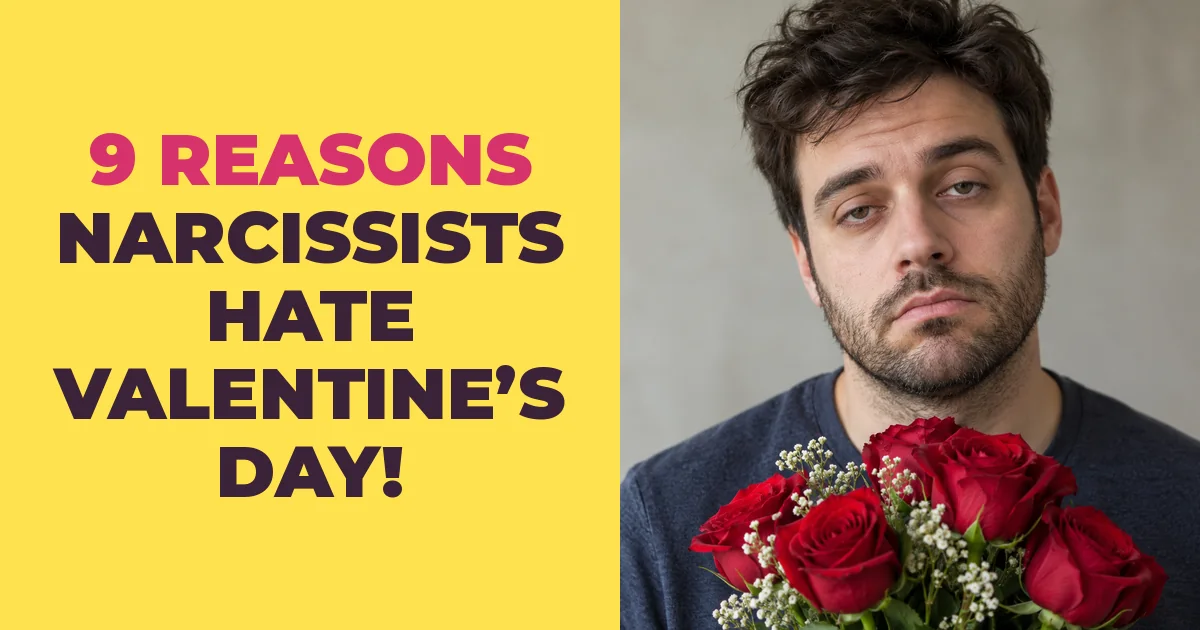
9 Reasons Narcissists Can’t Stand Valentine’s Day

With a narcissist, Valentine’s Day so often turns into a fight.
Maybe it kicks off over dinner. The card they forgot, then somehow blamed on you. The cold silence on the drive home.
Every February, the same knot in your stomach.
It isn’t bad luck, and it isn’t you.
Here are 9 reasons narcissists can’t stand Valentine’s Day, and why it so often ends in tears.
Why one day hits so hard
The narcissistic pattern leans on other people to feel worth anything. Praise from outside keeps it standing.
So the people around them get sorted into two piles. Fans. Or threats.
Valentine’s Day asks them to hand the praise to you. For a whole day.
#1 Your happy day threatens them
Your happiness on a special day can feel like a threat to a narcissist.
You’re wearing the new dress. The table’s booked. You’re actually excited.
Then, ten minutes before you leave, a fight starts over nothing. ‘Why do you always make such a big deal of everything?’
Researchers find envy shows up a lot in narcissism, most of all in the quiet, touchy version. When you glow, their sense of being on top wobbles. So your moment gets dimmed or wrecked.
Over time, happy days start to feel risky. You may catch yourself keeping your excitement small, just in case.
Watch whose mood drops when yours lifts.
Then save your best news for the friends who cheer it.
#2 One small sigh feels like an attack
To a narcissist, your tiny flicker of disappointment can land like a public insult.
They hand you a gift. You smile, but a beat too late.
That’s all it takes.
‘Nothing I do is ever good enough for you!’ Now the whole evening is about their hurt.
Psychologists studying threatened egotism saw narcissists hit back harder after an insult, and they aimed it straight at whoever they held responsible. On a day built around judging gestures, a bruise is waiting everywhere.
So you rehearse your reaction to the present. You pre-edit your face.
If the anger ever tips into threats, leave the room. Your safety comes first.
#3 Giving on cue feels unfair to them
Valentine’s Day asks a narcissist to give on cue, and entitlement hates that.
There’s the dinner to plan. The flowers. Maybe a card with actual words in it.
For many partners that’s a small, sweet effort. For a narcissist, it can feel like a bill they never agreed to pay. ‘Why should I spend money because some card company says so?’
Psychologists call this entitlement: a fixed sense of being owed more than anyone else. Under it, even a normal request lands like an insult.
Meanwhile, you planned their birthday down to the candles.
You give more. You get less.
Keep a private note of what you hand over. Just for your own eyes. The pattern shows fast.
#4 A whole evening of closeness is what they dodge
A whole evening of real closeness is exactly what a narcissist tends to avoid.
There’s no golf trip to hide behind. No late meeting. Just the two of you, across a small table.
So they scroll. They text someone you don’t know. They flirt with the waitress while you pretend not to notice.
‘What? I’m just being friendly.’
Researchers connect narcissism with treating love as a game. Options stay open, real intimacy gets dodged, and interest fades once they feel they’ve won.
Sitting right beside them, you feel strangely replaceable.
Look at what they do, not what they say.
Does a warm moment always come just before they pull away? Notice if that rhythm repeats.
#5 The public show matters more than you
For a narcissist, Valentine’s Day is a performance, and the audience isn’t you.
The roses arrive at your office where everyone can see. The couple photo goes up by 7pm, captioned ‘lucky to have this one.’
Then the car ride home is dead silent.
Everyone polishes how they come across a little. Narcissists pour far more into it, because applause is what props up their sense of worth. So the effort goes where the clapping is.
Your friends comment ‘Goals!’ You stare at the screen and wonder if you’re the crazy one.
Believe the version you get at home.
That’s the real Valentine’s.
#6 Your feelings are the whole point
Romance asks for empathy, and many narcissists would rather not spend it on you.
You mention you’ve had a rough week and just want a cosy night in.
They change the subject to their week. Or worse: ‘God, you’re so sensitive. It’s one day.’
Researchers saw that narcissists offer less empathy on their own, yet more when asked to picture your side. So it looks more like won’t than can’t.
After enough rounds, you go quiet about your feelings. Then you begin to question them.
Bring your heart to the friends who answer it.
Your reactions were never the problem.
#7 Romance means dropping the armour
Real romance means lowering the armour, and a narcissist rarely risks that.
Valentine’s asks for soft words. Eye contact. Maybe a note saying what you mean to them.
Instead, you get a shrug and a lecture. ‘It’s a fake holiday for sheep. I’m above all that.’
Psychologists describe narcissism with two faces: one loud and showy, one quiet and touchy. Plenty flip between them. Both guard a self-image that cracks easily. The loud side brags. The quiet side retreats and nurses a grudge.
Push even gently and they may sulk, or play the victim.
Suddenly you’re comforting them. On your Valentine’s.
Notice: does an apology ever come without a ‘but’?
#8 February 14 won’t be rescheduled
Valentine’s Day is one promise a narcissist can’t push to ‘some other time.’
Most of the year, plans can drift. The weekend away becomes ‘after this busy stretch.’ The dinner gets moved, then quietly forgotten.
February 14 doesn’t move.
Future faking is a popular label, not a clinical one. It means big promises that keep you hoping, with no real intention behind them. Once you’ve invested in a shared future, letting go of it feels like a loss.
A fixed date strips away the wiggle room. Either something happens, or it visibly doesn’t.
And when it doesn’t? ‘I never said we’d go anywhere.’
Count what really happened. Not what got promised.
#9 Their first Valentine’s set the bar
A narcissist’s first Valentine’s with you sets a bar they stop trying to reach.
Think back. The surprise trip. The handwritten letter. The way they looked at you across the table.
Now it’s a supermarket card, signed in the car park. If that.
Researchers who study admiration and rivalry in narcissism describe this shift. At first, charm and showing off reel you in. Later, the cold, competing side wins out. Dazzling start, painful middle.
Valentine’s asks for that early charm all over again. By now, the colder side has taken over, and the day shows the gap.
Yet part of you still waits for that first version to come back.
It was the trailer, not the film.
If Valentine’s has turned into a day you brace for, that isn’t a flaw in you. It’s the pattern showing up on schedule.
This February, plan one small thing that’s purely yours. Brunch with a friend who’s glad to see you. A film you picked. Flowers you bought yourself.
Your day counts, whoever shows up for it.
12 Moments That Show The Narcissistic Abuse Was Deliberate

You keep telling yourself they didn’t mean it.
They were stressed. They forgot. You took it the wrong way.
But research on low empathy points somewhere uncomfortable. Narcissists can often understand how you feel. They just don’t act on it.
So the coldness may be more choice than inability. And a choice made again and again, for months, is a pattern.
Here are 12 moments that show the narcissistic abuse was deliberate, and what each one does to you.
#1 Charming to everyone but you
The narcissist saves the warmth for an audience and the cruelty for you.
At the party, they top up drinks and laugh at your stories. In the car home, nothing. Or worse.
Then your friend texts: ‘You’re so lucky.’
Why the switch? Their sense of worth runs on being admired, so the public version gets all the polish. You aren’t the audience. You’re backstage.
Everyone is more polite in public. Kind outside and cruel inside is something else. Believe what you see at home.
#2 The digs come when people watch
Some of the cruelest digs happen in front of people, dressed up as a joke.
Dinner with friends. They bring up your weight, or the thing you cried about last week. ‘Relax, I’m only teasing.’ Then the smirk when you flinch.
Researchers who study everyday sadism describe a type for whom small cruelties feel good on their own. Your flinch can be the whole point.
So you learn to keep your face blank and laugh along.
Real teasing ends when you say it hurts. Does theirs?
#3 Your reputation goes before you do
By the time you speak up, the story about you is often already out.
A friend goes oddly quiet. Your sister asks if you’re ‘okay, really.’ Someone says you’ve seemed ‘so unstable lately.’ Where did that come from?
Psychologists call this relational aggression. It goes after your name and your friendships, not your body. Nothing shows.
The strategic type plays the long game: calm in public, quietly lining up allies. You only spot the scheme at the end. That’s why people believe them.
Stay consistent. Let time do the arguing.
#4 The perfect start moved too fast
Love bombing glues you to them before you’ve ever watched them handle a bad day.
Soulmates by week two. Messages from morning till midnight. Talk of a house, a dog, forever. And when you asked to slow down, they sulked.
Later, those first weeks turn into the thing you try to get back. And when it all cools, it’s easy to think you broke it.
You didn’t.
Enthusiasm is lovely. Being rushed with no brakes is something else. How did they take your first ‘not yet’?
#5 Your soft spots become their weapons
The narcissist often knows exactly where it hurts, and that’s where they aim.
You told them about your dad leaving. Months later, mid-argument: ‘No wonder he walked out.’
They kept that detail from the night you trusted them with it. Then they pulled it out when it would sting the most.
So you stop sharing feelings.
And you start to wonder if you overreact. Your hurt belongs with people who show up for it.
#6 Suddenly your memory is the problem
Gaslighting chips at your memory until their story is the only one left.
‘I never said that.’ ‘You’re making things up again.’ ‘You’re too sensitive.’ You were there. You heard it.
It works best where they hold more power and control the story. That’s what lets their version write over what really happened.
Maybe you already keep notes, just to prove it happened. Keep going, somewhere private they can’t reach, or with someone you trust. Jotting it down the same day gives you something solid.
Two people can recall things differently. Wiping out what you saw is another thing.
#7 A simple no becomes a debt
Saying no can start to cost more than giving in.
You say you can’t drive them on Saturday. Cue the sigh. ‘After everything I’ve done for you?’ Then a heavy silence until you cave.
Online, this gets called FOG: fear, obligation and guilt. It’s a popular label, not a formal one, and it sits close to what researchers call coercive control.
The aim? Make yes the easy road.
Soon you agree before you’ve even thought. Next time, pause before answering. Their mood is theirs to carry.
#8 Small rules that shrink your life
Coercive control rarely shows up as one big blow-up. It drips in, rule by rule.
‘Who were you texting?’ ‘Send me the receipt.’ Be home by six. Alone, each rule sounds almost reasonable.
Stacked up, they take your freedom piece by piece, and there’s no single day you can point to.
Your life shrinks to fit them.
If you can, hold on to a little money and a few numbers that are only yours. Abuse services are there to help you think through safety, quietly. No bruise is required to call this abuse.
#9 Happy days are the ones they spoil

Your happiest days are often the ones they choose to spoil.
You get the promotion. They shrug, then start a fight about the dishes. Your birthday dinner ends with you crying in the restaurant bathroom.
Envy is common in narcissism. When you shine, their need to feel above you takes a hit. So your win gets shrunk, stolen or wrecked.
Soon you hide good news.
Joy starts to feel risky. So watch whose face falls at your good news, and save it for the ones who cheer.
#10 Just enough kindness to keep you hooked
Kindness you can’t predict grips tighter than kindness you can count on.
A week of coldness. Then flowers, a slow dance in the kitchen, ‘I don’t know what I’d do without you.’ Then cold again.
Behaviour scientists found that random rewards build the habits that are hardest to break. It’s the pull of a slot machine.
You end up trying harder for scraps.
One sweet evening can paper over a whole bad week. Grab a calendar. Mark the kind days and the cruel ones. Which pile is bigger?
#11 Bring it up and you’re the bad guy
Raise one real problem and somehow you end up apologising.
You mention the money missing from the joint account. ‘I never touched it. How dare you accuse me?’ Ten minutes later, you’re comforting them.
The name for it is DARVO. They deny, they attack, then they swap roles so they’re the injured one. In studies, people who met this response blamed themselves more afterwards. That’s why the talk dies so quickly.
After a few rounds, you just keep quiet.
You don’t have to argue their list of your faults. Talk the original issue through with someone outside the relationship. Raise it again only if it feels safe to. Your safety comes first.
#12 Sweet again the moment you pull away
The sweetest version of them often shows up right when you step back.
You go quiet for a while. Suddenly: ‘I miss you.’ ‘I’ve changed, this time for real.’ An emergency only you can fix.
People call this hoovering. It’s a slang term, not a clinical one, and it works by waking up your hope that the old them is coming back.
That hope is real. Researchers call it trauma bonding: hurt and tenderness, over and over, can tie you tighter than a calm love would.
Notice the timing, too. It tends to land when they need something, or sense someone new in your life. Hold the new promise up against the old pattern. Which one has more proof?
If you saw your life in several of these, you didn’t imagine it. A pattern that repeats for months isn’t bad luck.
Talk to yourself the way you’d talk to a friend who told you all this. Shame and self-blame were never yours to carry.
Pick one person who’ll listen to all of it.
The 10 Unwritten Rules Every Child Of A Narcissist Learns

A narcissistic parent never hands you a rulebook.
But you learned the rules anyway. Fast. Through slammed doors, cold silences and that one look across the dinner table.
Now you’re grown, and some of those rules still run your life. You apologise first. You keep the peace. You shrink when someone’s upset.
Those habits aren’t flaws. They’re old rules, still running.
Here are the 10 unwritten rules every child of a narcissist learns, and why they were never yours to keep.
Why the rules stuck
A parent wrapped up in themselves has little left for what a kid feels inside. So you adjusted.
Research on emotionally immature parents describes two common adjustments. Pushing your own needs down, or looking after the parent instead.
And those adjustments rarely stay put. They tag along into your adult relationships.
That’s what these rules really are. Survival skills you’ve outgrown.
#1 You learned to read the room
You learned to read the room long before you could read a book.
You could tell what kind of evening it would be from how the front door closed. A sigh in the kitchen meant tiptoe. A slammed cupboard meant disappear.
That’s not you being dramatic.
When anger could erupt at any moment, your body learned to keep watch around the clock. Keeping them calm by agreeing became your safest move.
Now it’s the automatic yes, the sorry that slips out three times an hour, the jump when a glass clinks too hard.
Next time your chest tightens, slow down for a second. Is anyone actually angry?
#2 Their word was the final word
In a narcissist’s house, the rules applied to everyone except the person who made them.
They could be late, rude or flat wrong. You couldn’t. Your plans got dropped the moment theirs changed, and making them wait was a crime.
“Because I said so.”
Researchers have a word for it: entitlement. Deep down, they believed they were owed more than anyone else in the house.
To someone like that, a normal limit stings like an insult. So your fair little request sounded like a declaration of war.
So you stopped asking for fair.
You may still give far more than you get back. For one week, keep track of what you give. Then look at what came back.
#3 Their feelings came before yours

You were the child, but somehow you were the one doing the comforting.
Maybe you sat on the edge of their bed while they cried about their marriage. Maybe you kept adult secrets, or helped raise a younger sibling.
And everyone praised you for being “so mature.”
There’s a research term for it: parentification. You got promoted to their helper and confidant, and the lesson underneath was simple. Your needs could wait.
That’s why asking for help can feel almost impossible now, and why you carry everything.
Next time a friend offers to drive or cook, say yes. Then don’t apologise for it.
You were a kid. Caring for you was their job.
#4 The family had to look perfect

To the outside world your family looked perfect, and you were expected to keep it that way.
At church or the school play, your parent was charming, funny, generous. Then came the silent car ride home.
“What happens in this house stays in this house.”
A narcissistic parent may pour huge energy into how they look to others. Praise from outside props up how they feel about themselves, and you were part of the show.
The cost? Other parents told you how lucky you were. So who’d believe you? Slowly, even you stopped trusting what you’d seen.
What happened once the guests left counts more than any party smile.
#5 Your feelings were too much
Being upset in a narcissist’s house usually earned you a lecture instead of a hug.
You came home crushed after a fight with a friend. Within a minute, the conversation had swung somewhere else.
“You’re too sensitive.”
Here’s the part that stings. Studies found that when narcissists are asked to imagine how the other person feels, their empathy goes up. So they often could care. They just don’t.
So you went quiet about what hurt, and began second-guessing whether it should hurt at all.
Bring your hard days to people who lean in when you talk. And stop explaining your pain to anyone who uses it.
#6 Questions came with a price
Pointing out a narcissist’s mistake was one of the fastest ways to get punished.
You’d say, “That’s not what you told me yesterday.” Cold fury. Or nothing at all, until days later, when you paid for a remark you’d already forgotten.
A basic question could turn into a fight.
Research on what’s called threatened egotism fits this. Bruise their image, even slightly, and a narcissist is more prone to hit back hard at the person they hold responsible.
So you rehearsed sentences in your head before saying them. And said sorry for things that weren’t yours.
That habit kept you safe then. Who are you still editing yourself for now?
#7 Your wins were never quite safe
Your good news often seemed to make a narcissistic parent quieter, colder or sour.
You got the scholarship, and somehow the talk turned to their own glory days. Your birthday ended in an argument. Again.
“Don’t get a big head.”
Envy shows up a lot in narcissism. Your success pokes at their need to be the best one in the room. So they make it smaller, take credit, or ruin the day.
Now good news makes you nervous. You tuck it away before you’ve had a chance to enjoy it.
Watch whose face falls when things go well for you. Then take your wins to the people whose faces light up.
Next time, tell that person first. Before the parent, before the group chat.
#8 Love could vanish overnight
The silent treatment taught you that love could be switched off without a word.
One wrong comment, and they’d answer everyone at dinner except you. For days.
Then they’d come back as if nothing happened.
Research on being ignored explains the sting. Silence hits the deep human need to fit in and feel like you count. It can hurt like a bodily injury, and it pushes the ignored person to cave.
As a kid, you’d apologise for anything just to end it. Maybe you still do, with partners and friends.
One way to tell the difference. Someone cooling down says so, like “Give me an hour,” and then comes back to talk.
Did you ever get that hour?
#9 Growing up felt like betrayal

In an enmeshed family, wanting your own life gets treated like betrayal.
Your diary was fair game. Your plans needed approval. Later, your partner got treated like a rival who stole you away.
“You’ve changed since you met him.”
The term for this is enmeshment. Love gets used as a leash, so every step away feels like a threat to the whole family.
You end up struggling to tell your wants from theirs. And feeling guilty just for becoming an adult.
Pick something tiny, like a haircut or a weekend plan, and decide it without checking in.
The guilt will show up. Let it sit there and get on with your day.
#10 Guilt got called love

Guilt was often handed to you, wrapped up and labelled as love.
“After everything I’ve done for you?” Every no came with a reminder of old favours, or a long, disappointed silence until you gave in.
People online call this FOG. The letters stand for fear, obligation and guilt.
It isn’t a clinical label, just everyday shorthand for emotional blackmail.
The math was rigged. Refusing felt like it cost more than caving. So yes came out on autopilot, and keeping them happy became your job.
Next time someone asks for something, wait a beat before you answer. They’re allowed to feel disappointed. Fixing it isn’t on you.
Love doesn’t send you a bill.
Those rules made sense in that house. You followed them because you were small and needed to be safe.
You’re not small anymore. You get to write new rules now, one quiet no at a time.
5 Ways Narcissistic Abuse Changes Your Brain Chemistry

Your stomach drops the moment their key turns in the lock.
Anger that can flare at any moment keeps you on edge, even when nobody is shouting.
You feel wired and drained at once. You ache for the person who hurts you, and one sweet text can wipe out a whole awful week.
You stay quiet to keep the peace, then lie awake replaying every word.
Your head says none of it adds up.
Here are 5 ways narcissistic abuse changes how your brain and body react, and what’s really going on underneath.
Why it feels so physical
Your brain and body learn from whatever keeps happening to them.
Research on fawning and hypervigilance explains the first part. When anger can flare at any moment, the body learns to stay switched on, and to soothe the threat by agreeing and appeasing.
Research on rewards adds another piece. Warmth handed out unpredictably, mixed with coldness, grips tighter than warmth you can count on.
I won’t throw hormone names at you that I can’t back up. What I can show you is how this training feels from the inside. None of it is a flaw in you.
#1 Your body is always braced for them
Your body has learned to read their mood like a weather report.
You can tell how the night will go from the way the keys hit the counter. A sigh in the kitchen. The car door shut a bit too hard. The TV switched on louder than usual.
Then the scan starts.
Is dinner okay? Did you answer the group chat fast enough? What’s that look on their face, and what did you do?
Psychologists call this hypervigilance. Living with anger you can’t predict trains the body to stay on alert, watching for danger before it arrives and trying to calm it by agreeing, smoothing and saying yes before you’ve even thought about it.
Even quiet nights rarely bring the all-clear.
So a slammed drawer makes you flinch. You apologise before you know what’s wrong. Then they ask, “Why are you so jumpy?”
Being on guard all day is exhausting, and it can leave you losing track of what you even want. When the alarm goes off, notice it and slow down. Give yourself one beat before you answer. That beat is yours.
#2 Their silence hurts like real pain
Being shut out by the person you live with can hurt like a physical wound.
It can start over something tiny. You disagreed about the weekend, or asked where they’d been. Now they’re chatting to everyone at the table except you, laughing at your brother’s jokes while your plate goes cold.
Your “good morning” just hangs there.
Then nothing. For a day. Sometimes three.
Research on being shut out explains why it cuts this deep. Being ignored threatens two basic needs: the need to belong and the need to matter. So it lands like an injury, and it pushes people to cave.
So you apologise for something you can’t even name, just to end it. Then they stroll back. “What? I was busy.”
After a few rounds, you steer around any topic that might set it off.
One thing helps. Say once, calmly, that you’re open to talking, then go and live your day. Don’t chase and don’t beg. Take the walk. Eat your dinner while it’s hot.
#3 Their kindness hits like a jackpot
Affection you can’t predict grips you tighter than affection you can count on.
One evening they won’t meet your eyes. The next, they’re short with you over nothing. Then on day three they bring your favourite coffee and kiss your forehead, as if the last two days were a bad dream.
And the relief floods in.
This has a name: intermittent reinforcement. When a reward arrives on a schedule you can’t guess, the behaviour it rewards becomes the hardest one to stop. Slot machines run on the very same principle.
That hook says nothing about how smart you are.
A rare “I’m sorry, babe, I don’t know what got into me” lands like a jackpot. So you keep hoping for the next one.
You work harder and get less. The good days make the bad ones feel bearable.
Try this. Each night, quietly mark the day good or bad, somewhere only you can get to. After a month, look at the average, not the best day. What does it tell you?
#4 Love and fear get tangled in your head

Believing they love you while knowing they hurt you wears your mind out.
Psychologists call this cognitive dissonance: the discomfort of holding two beliefs that clash. Your mind wants that discomfort gone, so it gets busy explaining away the bad parts.
That’s where the excuses come from.
Work’s been rough. They had a hard childhood. They didn’t mean it like that.
Then there’s everything you’ve put in. The years, the flat, the shared friends. Leaving can feel like wasting all of it, so you stay and give more. Research on sunk cost describes that exact pull.
Small decisions stall. The holiday, the lease, the text.
You argue with yourself in the shower and at 3am. Loving and fearing one person can make you feel crazy. You aren’t.
Write down what happened, not what it meant: “They called me stupid in front of their mum.” Just the fact. Then ask what staying would cost you from here on, not what you’ve already spent.
#5 Missing them can feel like withdrawal

Missing someone who hurt you can feel like an ache in your body.
You know what they did. You could list it. And still, at 11pm, your thumb hovers over their name.
Your friends don’t get it. “Why do you keep defending them?”
When missing them follows a cycle of harm and kindness, the research name is trauma bonding. A power imbalance plus those swings can build an attachment stronger than a calm relationship does. That’s why leaving can feel physically painful.
And then comes the shame of still wanting them.
When contact drops, the first weeks can bring cravings that feel a lot like withdrawal. Checking their profile. Typing a text and deleting it. Replaying the good days on a loop.
It’s a known reaction to the cycle you lived through. It says nothing about your strength.
If you decide to step back, plan for those first weeks ahead of time, and if they might react dangerously, talk to a domestic violence service first. Calm tends to grow over time with less contact, though the first weeks can be rough.
Your body didn’t betray you. It learned, fast, how to survive days with someone who kept changing the rules.
Talk to yourself the way you’d talk to a friend who’d been through this. Self-compassion eases the shame and self-blame that manipulation tends to leave behind.
Isolation is part of how this works, so reconnection is part of how it eases. Start with one person you trust. Tell them the whole story.
8 Ways A Narcissistic Mother Pits Her Family Against Each Other

A narcissistic mother rarely fights her family head-on. She gets them to fight each other.
You see it at every holiday. Your brother can do no wrong. Your sister barely calls. And somehow every argument circles back to you.
It didn’t happen by accident.
If you grew up in that house, you may still wonder why your family feels like rival teams instead of one team.
Here are 8 ways a narcissistic mother pits her family against each other, and how to spot each one.
Why she needs you divided
A family that talks to each other compares notes. A family that competes doesn’t.
Family systems research describes triangles: pulling in a third person to manage tension instead of dealing with it directly.
Psychologists who study family roles describe something similar. Giving each child a fixed part, the golden one or the problem one, helps a controlling parent manage the family’s image and tension.
Divided, you all keep circling back to her.
#1 One child shines, one takes the blame
In her house, one child could do no wrong and another could do no right.
Maybe you were the golden one. Maybe you were the one blamed for the broken vase, the bad mood, the ruined Christmas.
Your report card got a shrug. Your brother’s got a dinner out and a phone call to Grandma.
Psychologists describe this as the golden child and scapegoat pattern. Fixed roles let a controlling parent manage how the family looks and where the tension goes.
Both roles cost something. One child carries the shame. The other carries the pressure to stay perfect.
And the two of you end up miles apart.
That role was handed to you. It was never the truth about you.
#2 Your sister becomes your measuring stick
Comparison is how she keeps siblings competing instead of connecting.
“Why can’t you be more like your sister? She calls me every Sunday.”
You hear it in the kitchen. A week later, your sister hears the same line about you.
Psychologists call this triangulation: bringing a third person into a two-person issue to stir up jealousy, competition or pressure.
Her problem with you turns into a contest between you and your sister. Neither of you signed up for it.
So you compete. For praise. For attention. For the title of the good one.
What would happen if you just stepped out of the race?
#3 Everyone hears a different version
A narcissistic mother may tell each child exactly what that child wants to hear.
To you, she sighs that your brother is selfish. To him, she says you’re the one who never visits.
Both of you leave feeling like her favourite. And a little angrier at each other.
Research on Machiavellianism describes this style: flattery, long-term planning and quiet alliances, while staying calm and reasonable in public.
That’s why you often only see the plan once it’s finished. By then, the rift is already there.
Share less with her. Private details have a way of travelling.
Sounds familiar?
#4 She made you her confidant

You were her shoulder to cry on long before you were old enough to drive.
She’d sit on the edge of your bed and vent about your dad. About your aunt. About how your sister let her down.
“You’re the only one who understands me.”
It felt like being chosen. Researchers call it parentification: a child made responsible for a parent’s emotional needs, turned into her confidant or caretaker.
The catch? You learned that your needs come last. And you carried adult secrets about the people you lived with.
Every family dinner, you sat across from people whose secrets you were never supposed to know.
That was never your job.
#5 Your partner becomes her rival

Once you choose a partner, she may start treating them like competition.
She “forgets” to invite him. She sighs at his name. She asks why you always have to rush home.
“I guess you don’t need your mother anymore.”
Psychologists call this enmeshment. Boundaries blur, and privacy or independence starts to feel like betrayal.
Closeness gets used as control, so every step away feels dangerous. You end up guilty for having your own plans.
Small boundaries help. Make the holiday plan with your partner first, then tell her.
Growing up was never a crime.
#6 Speak up and she’s the victim
Raise a real problem with her, and somehow she ends up the injured one.
You finally say it: “It hurt when you told everyone about my divorce.”
“I never did that. How dare you, after everything I’ve been through?” Then the tears start.
Researchers call this DARVO: deny, attack, and reverse victim and offender. Research found it makes the person who raised the problem blame themselves more.
Twenty minutes later, you’re comforting her. Then your brother texts that you upset Mom.
Next time, go back to the original issue. You don’t have to argue her counter-attack point by point.
Your original point still stands.
#7 The relatives start calling you

When she can’t move you herself, she sends the rest of the family.
Your aunt calls out of nowhere. “Your mother is heartbroken. Just apologise.”
Your cousin messages too. Then your brother, in words that sound oddly like hers: “You’re tearing this family apart.”
The internet has a nickname for these messengers: flying monkeys. It’s an informal label with no official definition, and it ties to what researchers call triangulation.
She tells a version where she’s the wronged one. Kind, loyal relatives act on it, often without knowing the full story.
And you end up feeling alone in your own circle.
You don’t owe the messengers a defence. They only heard her script.
#8 She tells the story first
By the time you speak up, she has often already told her version.
“I’m worried about her. She’s been so unstable lately.” That’s what the family hears over coffee while you’re at work.
Research calls this relational aggression: hurting someone through gossip, rumours and exclusion instead of anything physical. It leaves no visible evidence.
It works because of her public face. Charming at family dinners, cold in the car home. Relatives tell you how lucky you are to have her.
So nobody believes you. And you start doubting your own memory.
Keep behaving the way you always do. Time tends to show who’s steady.
You know what happened behind closed doors.
Nobody wins in a family built like this. Not the golden child, not the scapegoat, not the sister you were taught to resent.
Your siblings were handed roles too. Some of those bridges can be rebuilt away from her influence, on your terms, if and when you want to.
You didn’t cause this. You’re just the one who started seeing it.
12 Reasons The Narcissist Will Never Turn Into The Person You Need

The narcissist in your life is not going to wake up different.
You’ve waited. You’ve explained. You’ve tried a softer tone, a better moment, a longer letter.
And each time you get a few good days, then the same old person back at the kitchen table.
That’s not because you didn’t try hard enough.
This kind of pattern shows up across situations and over months, not on one bad day. So betting on more of the same is usually safer than betting on a turnaround.
Here are 12 reasons the narcissist will never turn into the person you need.
#1 In their story, you’re the problem
A narcissist can accuse you of the very thing they’re doing.
They shout, then say you’re the angry one. They hide their phone, then ask who you’ve been texting. “You’re the selfish one,” they say, after taking the last of everything.
Psychologists describe this as projection. Pinning a trait they can’t stand onto you means they never have to spot it in the mirror.
So you spend the evening on trial for things you didn’t do, and whatever you wanted to talk about slips away.
When the same charge keeps coming back, ask yourself who it really describes.
#2 Accountability gets turned around on you
Raise a problem with a narcissist and you’ll often end up apologising for it.
You mention the money that went missing. “Are you calling me a thief? Unbelievable.” Ten minutes later you’re hearing a list of your faults, and they’re the one in tears.
There’s a research name for this move. DARVO.
They deny it, go on the attack, then swap places with you so they’re the wronged one. Studies show the person who spoke up ends up blaming herself more. Handy, if the goal is ending the conversation.
Bring it back to the money. Let the rest go by.
#3 Their image comes before your needs
A narcissist needs applause to feel whole, so your needs sound like a complaint.
In this pattern, other people get sorted into two boxes. Fans or problems.
You ask them to do school pickup twice a week. “So I’m a bad parent now?” What you asked for vanishes. All that’s left is how it made them look.
Bit by bit, your role shrinks to holding up a flattering mirror.
Judge them by months, not by one good talk.
#4 Your win feels like their loss
With a narcissist, your good news can turn into a competition.
You finally finish your course. They point out they never needed a certificate to be good at things, then go quiet for the rest of dinner.
Researchers see two sides here. Admiration is the charm that pulls you in. Rivalry is the part that cuts you down so they stay on top. Early on, the first runs the show. Later, the second does.
Glad for you isn’t on the menu.
No wonder sharing a win started to feel risky. Who lights up when you do well? Tell them first.
#5 Criticism lands like an attack
Point out one small flaw and a narcissist may react like you threw a punch.
You say the trip ran later than planned. Within a minute it’s a speech about how ungrateful you are. Other times they say nothing, then punish you on Thursday for a comment from Monday.
Researchers who study threatened egotism found that when a narcissist’s self-image takes a hit, the anger runs hotter than the moment calls for. It goes straight at whoever they hold responsible.
So you rehearse every sentence first.
If anger ever turns into threats, leaving the room is allowed. Your safety comes first.
#6 Fairness feels like an attack to them
Entitlement means you give more and get less, and fairness gets treated as an attack.
You cancel your plans for theirs. You cover the bill again. The loan from last spring? “I’ll sort it out.”
Researchers who study entitlement describe a fixed sense of being owed more than anyone else. To someone like that, an ordinary limit stings like an insult, so even your small asks get treated as attacks.
So you stop asking. And give a bit more.
Keep a quiet tally of what goes out and what comes back. Ten favours given and one returned, in your own handwriting, is hard to argue with.
#7 Their apologies come with conditions
Ask a narcissist for an apology and it may come with strings attached.
“Sorry if that upset you.” “Fine, sorry, but you pushed me.” Then a long silence, because now they’re the one who’s hurt.
Research also describes a quiet form of narcissism: touchy, resentful, keeping a tally of slights. Underneath, it protects the same fragile self-image as the showy form, by retreating and feeling wronged.
Then you’re the one blamed for ruining their evening.
A simple test: when did an apology last arrive with no ‘but’ attached?
#8 Closeness bores them once they’ve won
Once a narcissist feels they’ve won you, the interest often fades.
The early months were constant messages and big plans. Now they’re scrolling at the other end of the couch, smiling at someone else’s comments.
Studies tie narcissism to treating love like a game. Keep a few doors open, stay slightly out of reach, lose interest after the win.
Now you’re chasing attention that used to come for free.
Count what they do, not what they say. Does closeness keep showing up right before distance?
#9 The public version gets their best
The narcissist often saves their best self for everyone except you.
At your sister’s barbecue they’re telling jokes and helping clear plates. Back home, they won’t look up from the TV.
An audience is fuel for a narcissist. Admirers top up how good they feel about themselves, so the public show gets all the polish. Home earns no applause.
Then a friend says, “You’re so lucky.” And you start doubting your own life.
Trust what happens behind closed doors.
#10 Good days aren’t a turning point
A good week is not proof that the narcissist is changing.
After two days of the cold shoulder, they bring your favourite coffee and kiss your forehead. You exhale. Maybe this is it.
Psychologists call this intermittent reinforcement. Warmth that turns up at random between cold spells grips you tighter than kindness you could count on. Slot machines run on the same trick.
The sweet moments make the rough ones easier to swallow. So you keep giving more for less.
Look at the average week, not the best one. What does yours look like?
#11 Promises to change are part of the pattern
The narcissist’s promise to change often arrives right when they need something.
Months of nothing, then: “I miss you. I’ve been doing a lot of thinking. This time it’ll be different.”
Hoovering is a popular nickname for this, not a clinical term. It links to the research on random kindness: it tugs on the bond you built and on the hope that the old good days are coming back.
That ‘I miss you’ lands after months of silence, and the old hope rushes back before you can stop it.
Real change outlasts the apology. Trust the old pattern over the new promise.
#12 They see your pain and look away
A narcissist can often see exactly how you feel and still not act on it.
You tell them your best friend is in hospital. They nod, then ask if you picked up the dry cleaning. Push back and it’s “You’re too sensitive.”
In studies, narcissists showed less empathy at baseline. Ask them to picture the other person’s side, though, and it went up. The ability is there. It’s just often switched off.
They heard you the first time.
Bring your feelings to people who actually catch them. They exist!
None of this means you were foolish for hoping. Hoping is what caring looks like.
But you can stop waiting for someone to become the person you need, and start noticing who already shows up for you.
Pick one person you trust. Tell them everything.
9 Honest Questions To Ask If You Suspect You’re The Narcissist

You’ve been called a narcissist so often that part of you now wonders if it’s true.
Maybe it was screamed mid-fight. Maybe it was said calmly, like a verdict.
Now you lie awake replaying arguments, hunting for proof that the problem is you.
One ugly fight can’t answer that. Months of behaviour can.
These 9 honest questions will help you look at your own behaviour clearly, without someone else’s voice doing the talking.
One bad day isn’t a pattern
Everybody has selfish moments. Snapping when tired. Bragging about a promotion. Forgetting a birthday.
None of that is narcissism on its own. The pattern behind the word is lasting: a constant need for admiration, a sense of being above others, and little interest in how others feel.
Only a clinician can diagnose anyone, including you. What you can do is look at months of behaviour, not one ugly moment.
So think in patterns as you read. Not your worst night.
#1 Someone else handed you this label
When your partner is the first to call you a narcissist, ask what they’re doing themselves.
Picture the kitchen after a fight. You asked why they lied about where they were. Ten minutes later, you’re the one being called selfish, cruel and a liar.
“You’re the narcissist here, not me.”
Psychologists call this projection. They pin their own behaviour on you, so they never have to look at it in themselves.
Gaslighting often stacks on top. “That never happened.” “You’re too sensitive.” Slowly, their version starts to beat your own memory.
Fair criticism that happens to sting isn’t projection, though. The test is whether the accusation describes what the accuser is doing. If it fits them better than you, treat it as information about them.
Whose behaviour does it really describe?
#2 Your heart still moves when others hurt
Feeling someone’s pain, and then doing something about it, is a big tell.
Your sister calls in tears. Do you stay on the phone, or steer the talk back to your own day?
Research on low empathy describes something surprising. Many narcissists get what you’re feeling just fine. They often seem to choose not to act on it, except when kindness pays off for them.
That’s how a cold partner can be so kind in public and so icy at home.
If you’re awkward with emotions but keep trying to help anyway, that’s a different thing entirely.
And if you’re the one who hears “You’re too sensitive” every time you cry? That says more about them.
Who changes the subject when you’re upset?
#3 Notice how you act out of the spotlight
How you behave when nobody is looking at you says more than any party trick.
Think about the last dinner where a friend held the whole table with a funny story.
Did you laugh along? Or did you sulk, interrupt, then punish someone on the car ride home for ignoring you?
Research describes two faces of narcissism. The loud one grabs the spotlight. The quiet one sulks when ignored and remembers every small wound.
Both protect a fragile self-image.
Being shy or anxious in groups is something else. What matters is what sits behind the silence: a sense of being owed, and not much care for others.
One dinner proves nothing. Look at how you act over months.
#4 A real sorry has no strings attached
An apology that ends with a hidden “but” is really a defence in disguise.
“I’m sorry you feel that way.” “I’m sorry, but you started it.” You’ve probably heard both, over and over.
Psychologists describe a pattern called DARVO: Deny, Attack, Reverse Victim and Offender. You bring up a problem. They say it never happened, go after you for mentioning it, and finish as the wounded one.
Research found why it shuts the talk down so well. The person who spoke up tends to blame herself more.
So ask yourself honestly. When someone says you hurt them, can you stay on their point without listing their faults?
Defending yourself against a false accusation isn’t DARVO. The pattern is flipping the roles every single time.
Who usually ends up apologising in your house?
#5 Small comments don’t set off your rage
Anger way out of proportion, aimed at whoever bruised the ego, is a warning sign.
Everyone gets angry. That’s human.
The pattern looks different. A tiny correction at dinner turns into cold fury. A basic question becomes a two-hour fight. A remark you forgot gets punished three days later.
Studies of what researchers call threatened egotism point the same way. Bruise a narcissist’s image and the hitting back tends to get harsher, landing on whoever they see as the cause.
Now look at your side. Do you rehearse every sentence before it leaves your mouth? Say sorry for things that weren’t your fault?
Those are the marks that kind of anger leaves on the person living with it.
Which one of you is careful with words?
#6 Asking for fairness isn’t entitlement

Wanting what you’re owed is a long way from believing you deserve more than everyone.
Entitlement is a steady belief that rules are for other people. Your plans get cancelled so theirs can happen. The money never comes back. The shared project becomes their win.
Research explains why it’s so draining to live with. Everyday limits hit them as personal slights. So when you ask for something normal, they hear an attack.
“Why are you keeping score? I thought we were a team.”
If you’re the one giving more and getting less, keeping track isn’t petty. It’s clarity.
Entitlement ignores the other person’s needs. You’re only asking for yours to count too.
When did fair start feeling like war?
#7 Other people’s wins don’t feel like losses
A flash of envy is human; acting on it to bring someone down is the pattern.
Your friend gets the promotion. Your cousin gets engaged. What happens in your chest?
Acting on it looks like this: the sour reply, the fight picked on someone’s birthday, the friend quietly belittled afterwards.
Research on admiration and rivalry explains it. To stay on top, a narcissist may cut others down to size. Your win counts as their loss.
“Must be nice to have so much free time.”
If you’ve started hiding your wins at home, that’s self-protection talking.
Who goes quiet when you shine?
#8 You don’t treat love like a game
Keeping a partner unsure on purpose is how game-playing love works.
Studies tie narcissism to treating love as a game, with weaker commitment. Options kept open. Real closeness avoided. Interest gone once they feel they’ve won.
It looks like the ex who still texts at midnight. The flirting with the waiter while you sit right there. The dizzy fast start, then the pulling away.
“Relax, she’s just a friend. Why are you so jealous?”
So ask honestly. Do you cheat, or flirt to make someone feel replaceable? Do you enjoy the competition?
Needing time before you commit doesn’t count. Moving slowly is allowed.
And if you’re the one competing for attention you once got freely? That was never your game.
#9 You’ve lost track of what you want
When you can’t say what you want anymore, look at what fear has done to you.
One jingle of keys at the front door and you already know the evening’s weather. You say yes before you’ve even thought. You apologise for the rain.
When anger can strike at any moment, your nervous system learns to keep watch. It also learns that saying yes makes the danger settle. Psychologists call that second part fawning.
Over time, the cost is exhaustion. And a quiet blank where your own wishes used to be.
Kindness chosen freely is one thing. Fawning grows out of fear.
Start tiny. Try one small no, somewhere safe.
Whatever your answers were, weigh them by the pattern over months. Not by your worst night, or theirs.
Selfish moments, flashes of envy and slow commitment are human. Lasting entitlement, low empathy and a constant need for admiration are the pattern.
And if the questions kept describing the person who handed you the label, write down what you noticed while it’s still fresh.
10 Ways The Narcissist Thinks The Rules Don’t Apply To Them

With the narcissist, there’s one rulebook, and only your name is on it.
You owe them honesty, patience, calm and a full report of your day. Break one of their rules and it’s a crisis.
Break one of yours? They barely notice.
No wonder you feel like you’re losing your mind.
The double standard is real, and it has a name.
Here are 10 ways the narcissist thinks the rules don’t apply to them.
Why the rules only run one way
Research calls it entitlement: a steady sense of being owed more than everyone else, with the rules saved for other people.
That’s why a normal ask from you, like fairness or a call back, lands on them as an attack.
To them, you just started a war.
#1 Lying is fine, as long as they do it

The narcissist can lie straight to your face and still call you the liar.
They said they were working late. Their friend posted a photo of them at the pub. When you mention it, you get: “That never happened. You twist everything.”
Then comes the classic: “Why are you lying to me?”
Psychologists call this projection. Spotting their own flaw in you lets them skip spotting it in themselves.
And you spend the night defending things you never did.
Write down what happened, the same day. Notes don’t get talked out of the truth.
#2 Being late is their privilege only
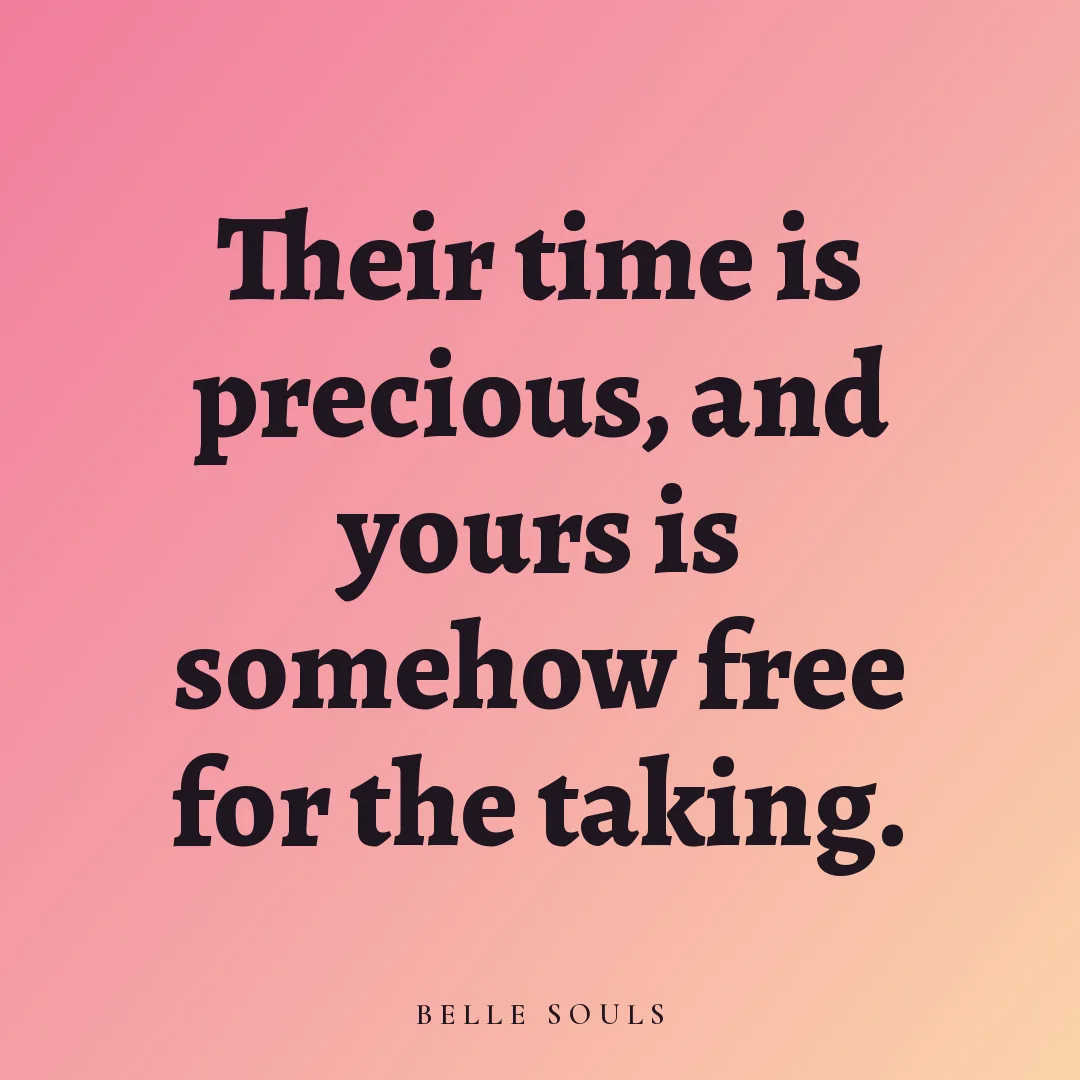
Their time is precious, and yours is somehow free for the taking.
They stroll in forty minutes late for dinner while your food goes cold. No text. No sorry.
But you’re five minutes late picking them up? The sulk lasts all evening: “You know how much I hate waiting.”
To someone this entitled, waiting on you feels like a personal insult. So your plans get moved, and theirs stay put.
You give more. You get less.
Try keeping a quiet tally of what you give, including your time.
The list gets long fast.
#3 Flirting is harmless when they do it
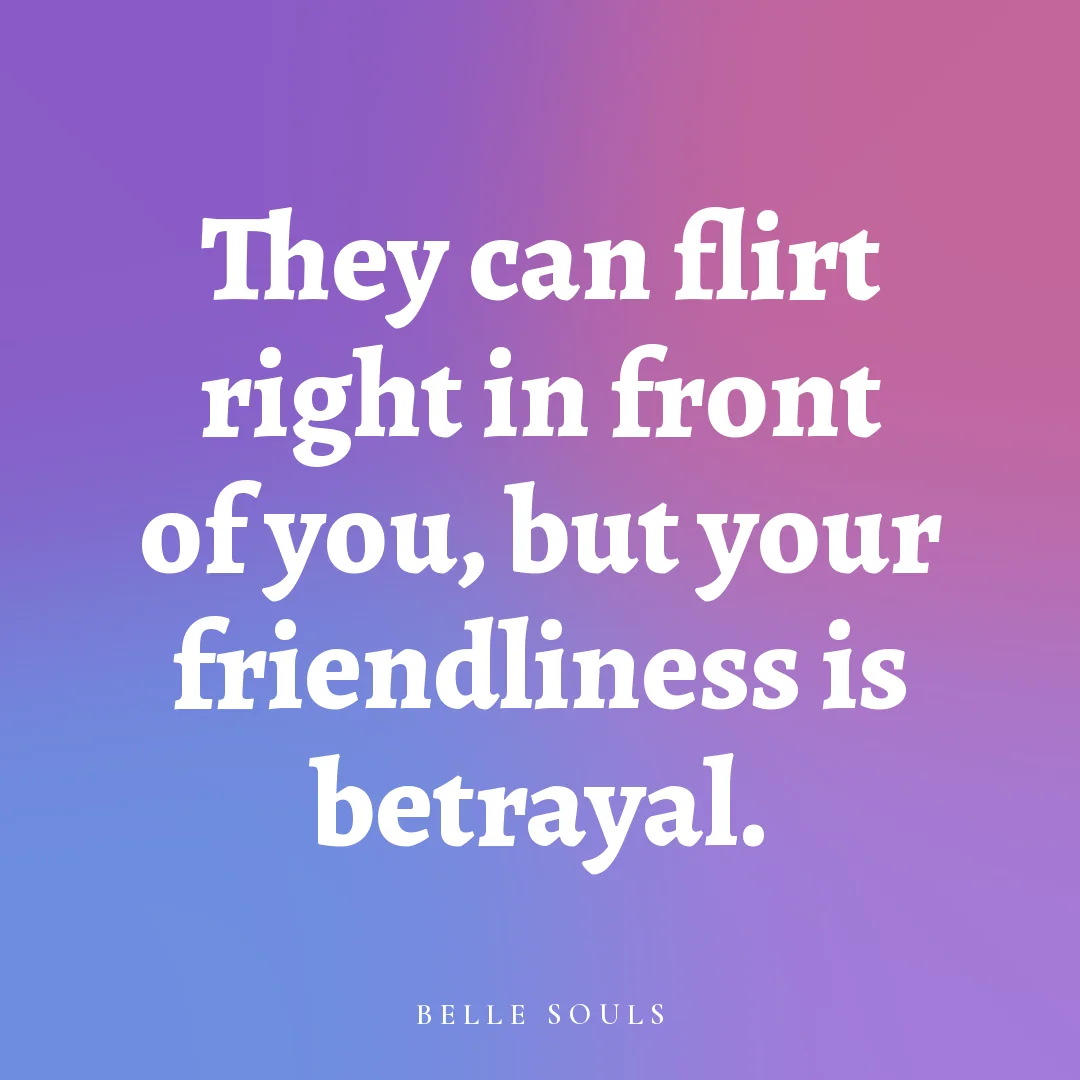
They can flirt right in front of you, but your friendliness is betrayal.
At the party, they lean in close to a laughing coworker. You smile at a waiter and hear about it the whole drive home.
“I was just being nice. You were all over him.”
Studies link narcissism with a game-playing style of love: low commitment, a few options always on the side, and no real closeness.
So the admirers never quite go away. And attention you once got for free, you now have to chase.
Judge them by what they keep doing, not what they say.
That replaceable feeling? It was built in.
#4 Their phone is private, yours is evidence

Their phone is locked tight, while yours is open for inspection any time.
They scroll your messages over breakfast. Who’s that? Why the smiley face? Why did you reply so fast? Where were you at two?
Ask about their phone, and suddenly you’re “paranoid.”
Checking your phone and location is a classic part of what researchers call coercive control. No single rule looks huge. Together, they eat away at your freedom.
Your world gets smaller. Soon a coffee with a friend needs their okay first.
Keep some money and a few contacts that belong only to you. You’re allowed a life they can’t scroll through.
#5 Criticism only flows one way

They can mock you all day, but one honest comment from you is treason.
The eye-roll while you talk. The “joke” about your cooking in front of friends.
Then you say, once, that it hurt.
“I never said that. How dare you attack me after the day I’ve had?”
Researchers have a name for this: DARVO. Deny, attack, then flip who’s the victim and who did the hurting. Studies found it makes the person speaking up blame herself more.
And somehow, you end up apologising.
Try naming the first issue again, calmly. Their counter-attack isn’t owed a point-by-point reply.
#6 Only they get to bring up exes

Their ex is a running topic, but yours is a forbidden word.
You hear how laid-back their ex was, how that ex never nagged, how they still swap birthday messages.
Mention your past once? “Why are you still thinking about them?”
Psychologists call this triangulation: pulling an outsider into a problem that belongs to a couple. The jealousy it stirs up is the point.
You’re measured against a ghost.
Someone who isn’t even here gets to be your rival.
You’re allowed to sit that race out.
#7 Their no is final, yours is negotiable
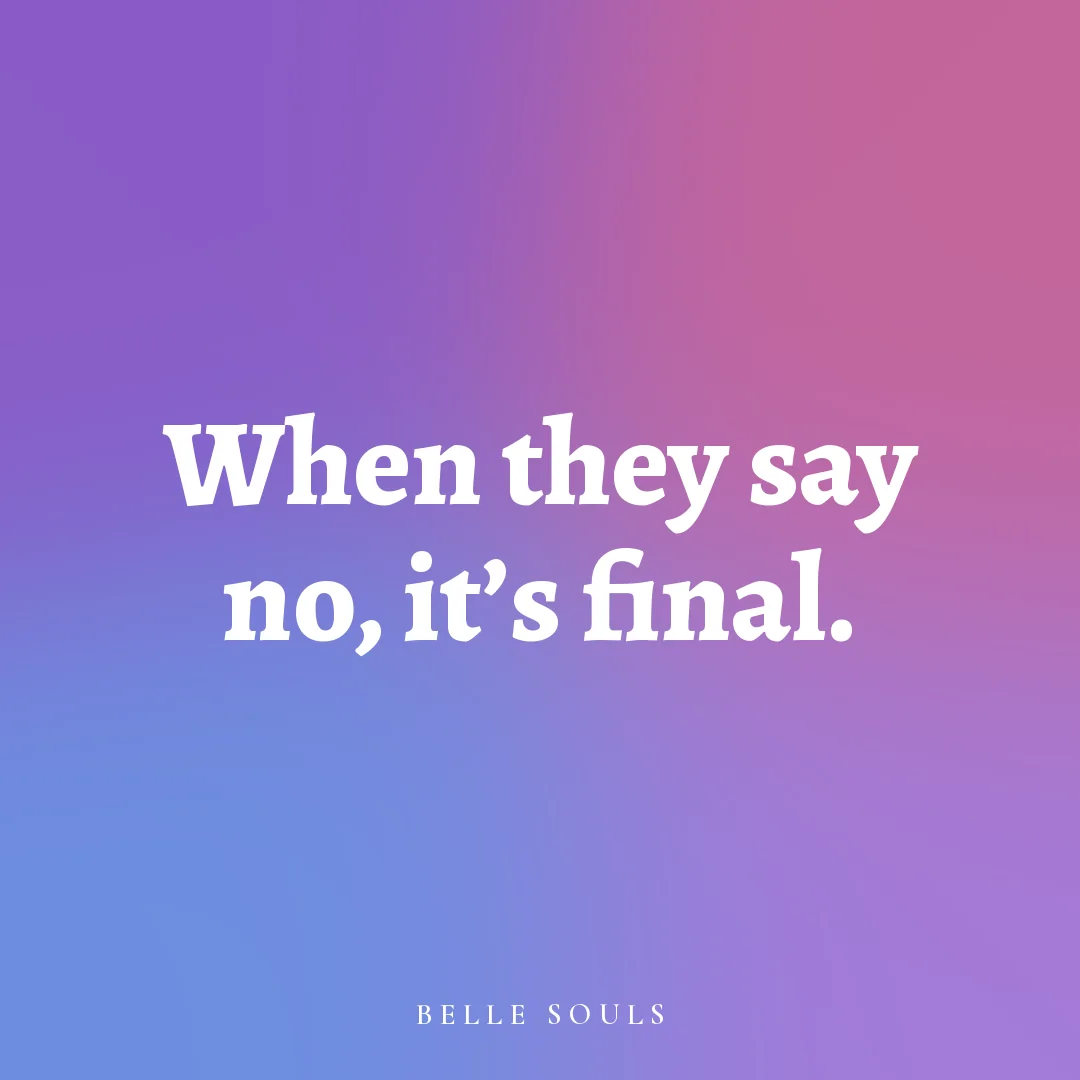
When they say no, it’s final. When you say no, it’s the start of a debate.
They skip your family’s Sunday lunch, end of story. You ask for one quiet evening and get an hour of “Why are you being like this?”
To an entitled mind, your limit reads as an insult.
So asking for fair feels like war.
A popular way of thinking about boundaries helps: they’re about your actions, and they don’t need their agreement. “If you start yelling, I’m going for a walk.” Then you go.
Expect pushback. Say it once and act on it every single time.
#8 Praise flows to them, never to you
They need a steady stream of praise, but your wins get a shrug.
They fish for compliments on a new shirt, a work story, a tricky parking job. You clap. Of course you clap.
Then you get the promotion and hear, “Huh. Must be nice.” A fight breaks out before your celebration dinner.
Their sense of worth needs outside applause to stay standing. Your success threatens their need to feel above you, so they shrink it or ruin it.
Before long, your good news stays secret.
Take your wins to people who are glad for you. And pay attention to whose face drops when you win.
#9 They can explode, you must stay calm

They can slam doors and shout, but one sharp word from you is unforgivable.
You ask, calmly, why the bill wasn’t paid. Suddenly there’s yelling, a slammed cupboard, and “Look what you made me do.”
Then you’re told to calm down.
Research on threatened egotism found narcissists answer insults with more aggression, pointed at whoever caused the sting. To them, a plain question can feel like an insult.
So you edit every sentence before it leaves your mouth. You apologise for messes that were never yours.
If the shouting turns into threats, leave the room. Your safety matters more than the last word.
#10 Your feelings are drama, theirs are law
Their bad mood runs the whole house, while your tears are “too much.”
When they’re upset, everyone tiptoes. When you cry after an awful day, they change the subject or sigh, “You’re too sensitive.”
Here’s the hard part.
Studies found narcissists show less empathy by default, but more when asked to picture your side. That looks less like can’t and more like won’t.
Bit by bit, you stop sharing and start doubting every reaction you have.
Give your feelings to people who actually respond to them. Yours were never the problem.
Noticing this doesn’t make you difficult. The rules really are lopsided.
Seeing it clearly won’t change them overnight. But you can stop debating whether it’s real and start trusting what you’ve lived.
If you ever feel afraid, a domestic abuse service can help you talk it through. Reaching out doesn’t lock you into any decision.
How To Win Without Turning Into The Narcissist

Fighting with the narcissist can feel rigged from the start. It can feel like the fight was never about fixing anything.
You’ve tried being sweet. You’ve tried shouting back. Maybe you’ve lain awake rehearsing the perfect comeback, then felt sick at how cruel it sounded.
That sick feeling is your decency. Hold on to it.
You can come out ahead without lying, scheming or going cold. None of it means hurting anyone back. You just stop playing the game they set up.
Here are 7 ways to win against a narcissist without becoming one.
What winning really means
To a narcissist, winning often means being admired. Their sense of worth leans on outside confirmation, so a challenge can feel like a threat.
So their kind of winning needs a loser.
Yours doesn’t. Here, winning means your peace, your memory and your days stay yours.
Plan as if their behaviour will stay the same. That way, nothing you build depends on them changing.
#1 Arguing with them is a rigged game
When you raise a problem, a narcissist often flips it into your problem instead.
You mention the missed school pickup. Ten seconds later you’re hearing “I never said I’d do it, and how dare you accuse me after the week I’ve had.”
Then come the tears or the sulk, until you’re the one patting their back. By bedtime, you’re apologising for ever bringing it up.
Psychologists call this DARVO: deny, attack, reverse victim and offender. Research found it makes the person who spoke up blame herself more. No wonder the conversation dies so fast.
Every reply to the counter-attack opens a new front, and the list of faults can keep growing.
So skip the side battles and steer back to where it started, as calmly as you can.
“We were talking about the pickup.” That’s the whole move.
#2 Your big reactions are their reward

Some people enjoy your discomfort, and your reaction is the prize they’re after.
They mention your weight at dinner with friends. You flinch. They smirk and say “Relax, it was a joke.”
Researchers call this everyday sadism. For some people, small cruelties feel rewarding all by themselves, not just as a way to get something.
One question helps you spot it. Does your hurt seem to cheer them up?
If so, give them less to enjoy. Grey rock is the nickname many use for going dull on purpose: brief, boring, factual answers, and no reaction when they bait you.
Fewer reactions give them less to work with and can help the bond fade, with calm growing over time. It won’t defeat them, though, and it isn’t safe in every situation.
Your calm face belongs to you.
#3 Writing it down beats their rewrite
A narcissist may rewrite what happened until you stop trusting your own memory.
“That never happened.” “You’re too sensitive.” You were there. You heard every word. And still, by bedtime, you’re the one saying sorry.
Psychologists call this gaslighting. It works best where power is uneven, because your trust in them hands them control of the story.
So you start doubting what you saw with your own eyes.
You don’t need to win the fight about the past.
Jot it down the same day instead: the date, the exact words, what you saw. Keep the notes private and plain. Then run it past one person who isn’t in the relationship and will tell you straight.
Paper doesn’t get gaslit!
#4 Their accusations are about them
The thing they accuse you of is often the thing they’re doing.
They’re the one shouting in the car, and they tell you to “stop being so angry.” They took the whole weekend for themselves, and somehow you’re the selfish one.
Psychologists call this projection. Spotting an unwanted trait in you lets them avoid spotting it in themselves.
Meanwhile you’re defending yourself against things you never did. Twenty minutes later, the thing that upset you has vanished from the conversation.
Here’s a shift that helps. When the same charge keeps coming back, read it as a clue about them, not a verdict on you.
Say what actually happened, one time. No essays. No pleading.
Why defend a charge that was never about you?
#5 A boundary is something you do
A boundary is about what you’ll do to protect yourself, never what they must do.
“Stop shouting at me” asks them to change. They probably won’t.
“If you shout, I’ll leave the room” only needs you.
That’s what separates it from control. Coercive control is one person setting rules for another and punishing every slip. A boundary sets no rules for anyone, so it works whether they agree or not.
Expect pushback at first. And guilt, your own, creeping in uninvited.
Say it one time. Then follow through, every single time: leaving the 11pm texts unanswered, hanging up when the call turns to insults.
Each time you follow through, your self-respect gets a little louder.
#6 Calm beats their smear campaign
A narcissist may spread the story that you’re the unstable one, sometimes before you’ve even packed a bag.
Mutual friends stop replying. Someone in the group chat posts “Well, there are always two sides.”
Out with friends, they’re delightful. On the drive back, not a word. And people still tell you how lucky you are.
Research on relational aggression describes this kind of attack. It targets your reputation and your friendships, so nothing shows on the outside.
You want to message every friend and explain.
Try this instead. Stay the same steady person week after week, and give time a chance to show who’s who. Where it spills into your work or a custody case, start keeping a written record.
Believe what you live through at home, not the public show. Calm is very hard to smear.
#7 Your happy life is the real win
Your good news can sting a narcissist who needs to feel above you.
You land the new job. They mutter “Nice,” without looking up from their phone, then start a row on the evening you’d booked dinner.
Research ties narcissism to envy and to rivalry, where your gain counts as their loss. So your win gets shrunk, stolen or spoiled.
No wonder you’ve started keeping good news to yourself. Joy has begun to feel dangerous.
Take your wins to the friends whose faces light up. They’ve earned the best of you.
And watch the room when you share. Who goes quiet, and who cheers?
That big, full life they can’t shrink? That’s your win.
You don’t have to get colder, louder or sneakier to come out ahead.
Every time you trust your notes, keep your face calm or share a win with someone kind, you win in a way they can’t copy.
Pick one. Start today.