
Author: Christoph
11 Things Narcissists Pass Off as Love That Are Really Abuse

The narcissist rarely calls it control. They call it love.
They check your phone because they worry. They pick at your clothes because they want you to look your best. They go quiet for three days because, apparently, you hurt them.
And somehow you’re the one saying sorry.
Each one comes with a loving reason. That’s what makes them so hard to call out.
Here are 11 things narcissists pass off as love that are really abuse, and how to tell the difference.
#1 Jealousy gets sold as proof they care
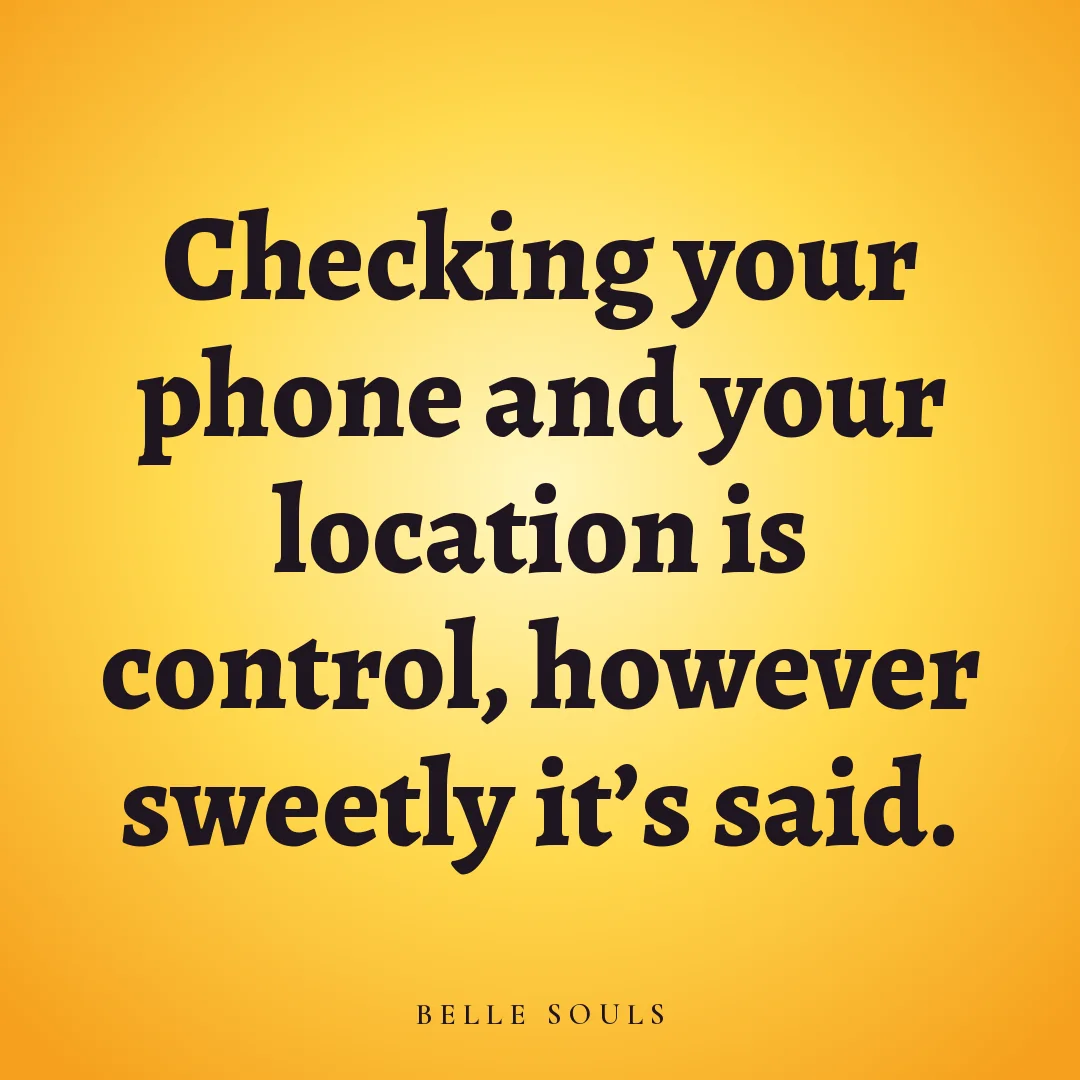
Checking your phone and your location is control, however sweetly it’s said.
“I just worry about you.” So they want your passcode. They ask who texted. They sulk when you see your sister without them, and slowly you stop going.
Coercive control rarely starts with one big incident. Many small rules and punishments add up, until you’re asking permission for ordinary things.
Your world gets smaller one ‘harmless’ request at a time.
Keep some money and some contacts that are only yours. Quietly.
#2 Cruelty dressed up as honesty
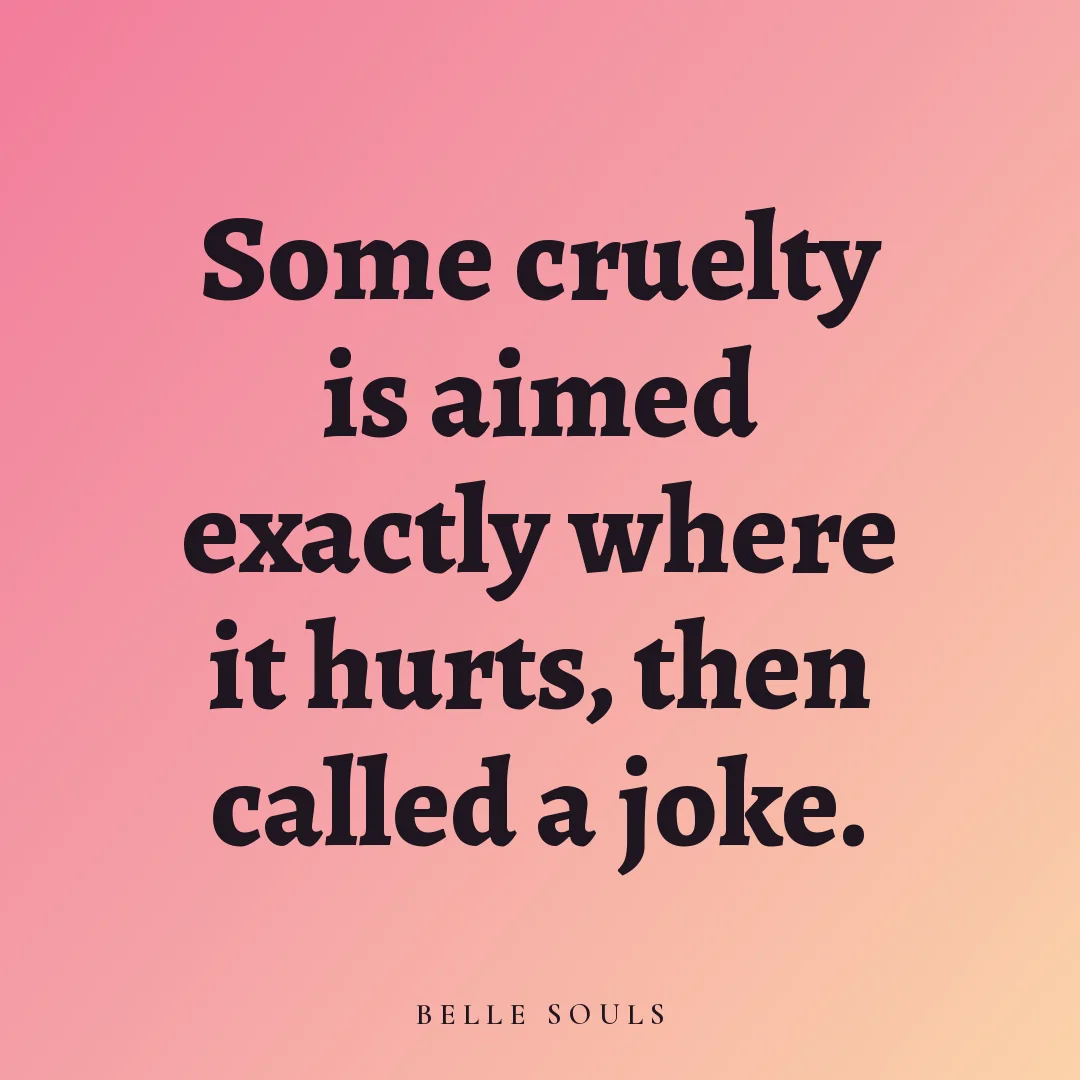
Some cruelty is aimed exactly where it hurts, then called a joke.
At dinner with friends, they bring up your weight, the exam you failed, the thing you told them in confidence. You flinch. They laugh. “God, you’re so sensitive. I’m just being honest.”
Research on what’s called everyday sadism describes people who find small cruelties rewarding in themselves. Not a means to an end. The point.
Playful teasing stops when you ask. This doesn’t.
Next time you’re hurt, notice their face. Do they look sorry, or pleased?
#3 Too much, too soon feels like fate

Love that arrives at full speed is built to bond you fast.
Week two, and they’re planning holidays. Morning texts, midnight texts, flowers at your work. “I’ve never felt like this. You’re my soulmate.”
Love bombing creates a strong bond before you’ve seen how they act under stress. Later, that dazzling start becomes the memory you keep chasing.
Then you blame yourself for the change.
Watch how they react to your ‘not yet’. Enthusiasm can wait. Pressure can’t.
#4 Real life always starts after this busy patch
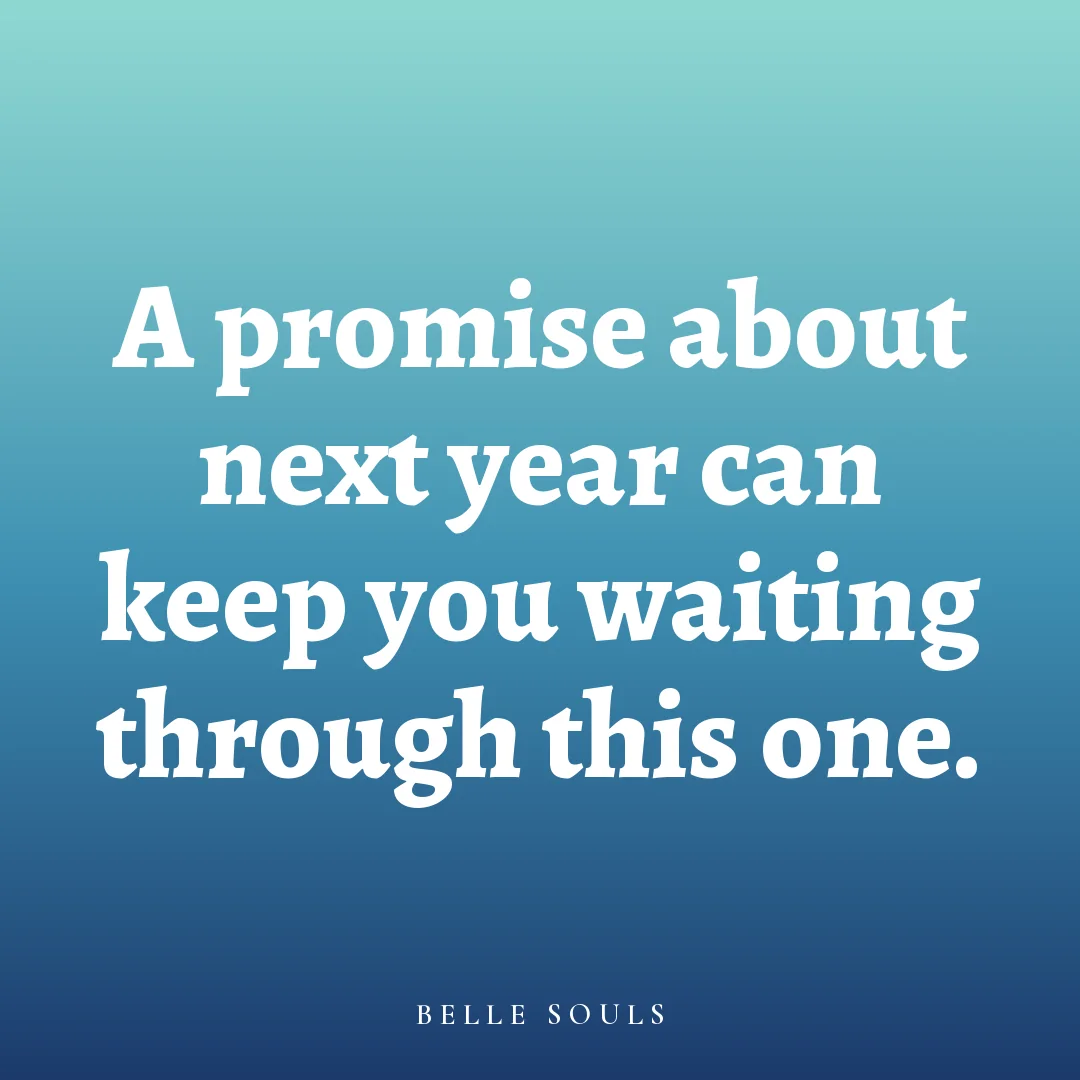
A promise about next year can keep you waiting through this one.
They’re working late again. “It’s for us. Once this project’s done, we’ll book the trip, look at houses, do it properly.” The project ends. Another one starts.
There’s a popular name for this: future faking. It isn’t a formal diagnosis. It describes big promises that keep you invested in a shared future, so leaving starts to feel like losing it.
Judge by what has actually happened.
Count the trips you’ve taken. Not the ones you’ve planned.
#5 Taking over the money to ‘protect’ you
When they hold all the money, they also hold the door shut.
“Let me handle the bills, babe. You’ve got enough on.” Then your card lives in their wallet, and a new pair of tights needs explaining.
Financial abuse works quietly. Without money of your own, leaving gets harder, and that keeps you dependent.
Couples budgeting together is normal. One person holding every key isn’t.
If you’re hiding a coffee receipt, ask yourself why.
#6 Your choices become their punchline
An eye-roll can say more about how they see you than any ‘I love you’.
You mention the course you want to take. They do your voice back at you. “Oh, look at you, Miss Career Woman.” Everyone laughs. Except you.
Long-term studies of couples found contempt and stonewalling among the strongest predictors of a relationship breaking down. Mockery is not a love language.
So you start keeping your plans to yourself.
Feeling small in your own home isn’t you being oversensitive.
#7 Guilt trips that look like devotion
Guilt can be used as a lever, and a narcissist may pull it hard.
You want one evening with your friends. “After everything I’ve done for you? Fine. Go. I’ll just sit here on my own.” You stay home.
There’s a popular term for this: FOG, short for fear, obligation and guilt. It isn’t a clinical label. It describes emotional blackmail that makes saying no feel costlier than giving in, one more small lever of control.
Soon yes comes out automatically.
Pause before you answer. Their disappointment is theirs to carry.
#8 Silence they call ‘needing space’
Being shut out by the person you love can hurt like physical pain.
Three days. They chat to the dog, the neighbour, their mum on speaker. Not you. Then one morning they’re whistling over the kettle as if nothing happened.
Being ignored hits your basic need to belong and to matter. That’s why you end up apologising just to make it stop.
Cooling off, and saying so, is healthy. Punishment isn’t.
Say once that you’re open to talking. Then go live your day.
#9 Their sweetest side is for an audience
The most loving version of them often shows up only when someone’s watching.
At the party they hold your hand, top up your drink, and tell everyone how they knew on the first night. Your friend whispers, “You’re so lucky.” In the car home, silence. Or worse.
Many narcissists invest heavily in their public image, because admiration feeds their sense of worth. Your relationship is part of the display.
So nobody believes you.
Trust what happens behind closed doors. That’s the real relationship.
#10 Your hurt somehow turns into theirs
Raise a problem, and somehow you end the night apologising to them.
You finally say it: “You humiliated me today.” Ten seconds later it’s “I never said that. How dare you. Do you know how hard my day was?” Then the tears. You end up comforting them.
Psychologists call this DARVO: deny, attack, reverse victim and offender. Research found it makes the person raising the issue blame themselves more, which is how it shuts the conversation down so fast.
Name the original issue and go back to it. Don’t argue every counter-attack. Your hurt still counts.
#11 The make-up feels like proof of love
Kindness that comes unpredictably hooks you harder than kindness that comes every day.
After the screaming, breakfast in bed. The long hug. “I don’t know what I’d do without you.” And for one day, it’s the person you fell for.
Rewards on an unpredictable schedule are the hardest to walk away from, the same principle that keeps people at slot machines. Research on trauma bonding describes how cycles of harm and kindness can build a bond stronger than calm love.
That pull is a known reaction. Not weakness.
Count the good days and the bad ones this month. Which column is longer?
You weren’t foolish for believing it was love. It was dressed up to look exactly like it.
You don’t have to untangle this alone. Talk to someone outside the relationship, ideally a person who has seen how they act both in public and at home.
And when you’re unsure what’s real, look at the car ride home. Not the party.
If you feel unsafe: in the US, call the National Domestic Violence Hotline at 1-800-799-7233 (thehotline.org). In the UK, call the National Domestic Abuse Helpline on 0808 2000 247. If you are in immediate danger, call your local emergency number.
Sources
- Dutton, D. G., & Painter, S. (1993). Emotional attachments in abusive relationships: A test of traumatic bonding theory. Violence and Victims, 8(2), 105-120.
- Goffman, E. (1959). The Presentation of Self in Everyday Life. Doubleday.
- Stark, E. (2007). Coercive Control: How Men Entrap Women in Personal Life. Oxford University Press.
- Buckels, E. E., Jones, D. N., & Paulhus, D. L. (2013). Behavioral confirmation of everyday sadism. Psychological Science, 24(11), 2201-2209.
- Strutzenberg, C. C., Wiersma-Mosley, J. D., Jozkowski, K. N., & Becnel, J. N. (2017). Love-bombing: A narcissistic approach to relationship formation. Discovery, The Student Journal of Dale Bumpers College of Agricultural, Food and Life Sciences, 18, 81-89.
- Arkes, H. R., & Blumer, C. (1985). The psychology of sunk cost. Organizational Behavior and Human Decision Processes, 35(1), 124-140.
- Postmus, J. L., Plummer, S.-B., McMahon, S., Murshid, N. S., & Kim, M. S. (2012). Understanding economic abuse in the lives of survivors. Journal of Interpersonal Violence, 27(3), 411-430.
- Gottman, J. M. (1994). What Predicts Divorce? The Relationship Between Marital Processes and Marital Outcomes. Lawrence Erlbaum.
- Forward, S., & Frazier, D. (1997). Emotional Blackmail. HarperCollins.
- Williams, K. D. (2009). Ostracism: A temporal need-threat model. Advances in Experimental Social Psychology, 41, 275-314.
- Freyd, J. J. (1997). Violations of power, adaptive blindness, and betrayal trauma theory. Feminism & Psychology, 7(1), 22-32.
- Harsey, S. J., Zurbriggen, E. L., & Freyd, J. J. (2017). Perpetrator responses to victim confrontation: DARVO and victim self-blame. Journal of Aggression, Maltreatment & Trauma, 26(6), 644-663.
- Ferster, C. B., & Skinner, B. F. (1957). Schedules of Reinforcement. Appleton-Century-Crofts.
Belle Souls articles explain patterns described in psychology research and recovery writing. They are not a diagnosis and not a substitute for help from a qualified professional.
5 Unsettling Things Narcissists Keep Hidden In Their Home

In front of your family, a narcissist can be the perfect partner. At home, the mask comes off.
You share a home with them. The same sofa, the same bills, the same Sunday mornings.
And still, something feels locked away. A tone they only use when the door is shut. A phone that never leaves their pocket.
You check their mood before you check your own.
Some of it sits in a drawer or a pocket. Some of it sits in what they know about you.
Here are 5 unsettling things narcissists keep hidden in their home, and what each one is really telling you.
Why they need hiding places
A narcissist’s sense of worth often depends on outside confirmation. Other people become sources of admiration, or threats to it.
So the image has to be protected, and anything that could threaten the admiration goes out of sight.
Home is where it all gets hidden.
#1 The real them lives behind closed doors

The person everyone loves at parties often isn’t the one who comes home with you.
At the barbecue, they’re the funny one. They refill drinks, know everyone’s names and compliment your mum’s potato salad.
Then the car door shuts. Silence. Or a cold little remark about how loud you were all evening, delivered without looking at you. Your stomach knows the ride home before your head does.
Why the switch? Psychologists who study impression management describe how all of us shape the picture others get. Many narcissists invest heavily in theirs, because admiration feeds their sense of worth.
Home is backstage. No audience, no performance.
Then a friend says, “You’re so lucky to have them.” Your sister says it too. Slowly, you start doubting what you live through every day.
Everyone is a bit more polite in public. That’s normal. The red flag is a gap between kind out there and cruel in here, so notice which version shows up when the door closes.
Trust your own front door. You were there.
#2 Money you never get to see
Some narcissists keep the household money out of your hands, and it’s no accident.
Maybe they “handle the finances” and you never see a statement. Passwords change without warning. Your card gets declined at the supermarket, and they just shrug.
Or they borrow “just till Friday.”
Research on economic abuse describes exactly this: controlling, exploiting or sabotaging your money, your income or your independence. Running up debt in your name counts. So does quietly undermining your job or your studies.
Without money of your own, leaving gets harder. The dependence is the point.
So you start hiding a new lipstick at the bottom of your bag. You apologise for buying shampoo. You feel trapped by numbers you’re not allowed to see.
Couples who budget together are doing something normal. One person holding every key is a different story.
Your own account, your own records, a look at your credit report. Small steps. Your money is allowed to be yours.
#3 A phone that’s always face down
Many narcissists keep their options open, even while they’re sharing your bed.
The phone lives face down on the kitchen counter. It buzzes at midnight. It goes with them to the bathroom, every single time.
Ask who’s messaging: “God, you’re so paranoid.”
Research links narcissism with a game-playing love style. Keep exes and admirers close. Avoid real closeness. Lose interest once the game feels won. Fast starts, cooling off, wandering eyes.
An ex still gets a birthday message. A coworker gets winky faces. You end up competing for attention you once got freely, and feeling replaceable.
Maybe you’re kicking yourself for not seeing it sooner. Psychologists describe betrayal blindness: when you depend on someone, your mind can block out evidence of their betrayal to keep the bond intact.
It’s not stupidity. It’s protection.
Be gentle with yourself about what you didn’t see. When something feels off, talk it through with a friend outside the relationship. Your gut noticed for a reason.
#4 Rules they never say out loud
In a narcissist’s home, many of the rules are never said out loud.
Nobody tells you dinner has to be on the table at seven. Or that one friend is a problem. You find out by breaking the rule.
“Forty minutes to buy milk?”
They pick up your phone “to check the time” and start scrolling. They know where you’ve been before you’ve said a word.
Researchers call the wider pattern coercive control. It includes checking your phone and location, controlling money, deciding who you see, and setting rules about clothes, food or time.
No single moment looks huge, so it’s hard to name. But many small rules and punishments add up. Your world gets smaller, and you start asking permission for coffee with a friend.
It’s a recognised form of domestic abuse. Keeping some money and contacts of your own matters, and a domestic abuse service can help you plan for safety.
Since when do you need a permission slip?
#5 A file of everything you’ve told them
Every secret you’ve ever trusted them with may be filed away for later.
The thing you cried about on your third date. The fight with your sister. The debt you were ashamed of. The thing your dad said when you were twelve.
Months later, it comes out at dinner with friends. Calm voice. Perfect timing. “I’m only saying this because I care about you.”
Psychologists describe a trait called Machiavellianism: a cynical, strategic way of dealing with people, built on flattery, deception and long-term planning. Collecting information to use later is part of it.
Researchers group it with narcissism in the Dark Triad, and many difficult people score high on more than one of these traits.
This style rarely loses its temper in public. It keeps a clean reputation while working against you, so when you finally speak up, others see someone perfectly reasonable.
You only see the plan once it’s finished.
Share less. Keep it in writing. Your story is yours.
If you’ve found any of this in your own home, it doesn’t mean you were careless. Hiding things well is the whole skill.
Noticing the locked drawer is not paranoia.
Start small. Tell one person you trust the full story, out loud. Isolation is how this works, so reconnection is how it starts to stop working.
If you feel unsafe: in the US, call the National Domestic Violence Hotline at 1-800-799-7233 (thehotline.org). In the UK, call the National Domestic Abuse Helpline on 0808 2000 247. If you are in immediate danger, call your local emergency number.
Sources
- Goffman, E. (1959). The Presentation of Self in Everyday Life. Doubleday.
- Herman, J. L. (1992). Trauma and Recovery. Basic Books.
- Bancroft, L. (2002). Why Does He Do That? Inside the Minds of Angry and Controlling Men. Berkley.
- American Psychiatric Association. (2022). Diagnostic and Statistical Manual of Mental Disorders (5th ed., text rev.).
- Pincus, A. L., & Lukowitsky, M. R. (2010). Pathological narcissism and narcissistic personality disorder. Annual Review of Clinical Psychology, 6, 421-446.
- Postmus, J. L., Plummer, S.-B., McMahon, S., Murshid, N. S., & Kim, M. S. (2012). Understanding economic abuse in the lives of survivors. Journal of Interpersonal Violence, 27(3), 411-430.
- Campbell, W. K., Foster, C. A., & Finkel, E. J. (2002). Does self-love lead to love for others? A story of narcissistic game playing. Journal of Personality and Social Psychology, 83(2), 340-354.
- Freyd, J. J. (1996). Betrayal Trauma: The Logic of Forgetting Childhood Abuse. Harvard University Press.
- Stark, E. (2007). Coercive Control: How Men Entrap Women in Personal Life. Oxford University Press.
- Christie, R., & Geis, F. L. (1970). Studies in Machiavellianism. Academic Press.
- Jones, D. N., & Paulhus, D. L. (2014). Introducing the Short Dark Triad (SD3). Assessment, 21(1), 28-41.
- Paulhus, D. L., & Williams, K. M. (2002). The Dark Triad of personality: Narcissism, Machiavellianism, and psychopathy. Journal of Research in Personality, 36(6), 556-563.
Belle Souls articles explain patterns described in psychology research and recovery writing. They are not a diagnosis and not a substitute for help from a qualified professional.
7 Hobbies That Tell You Right Away You Are Dealing With a Narcissist

You watch them spend all Saturday on the front hedge while the dripping tap in your kitchen waits another month.
For a narcissist, a hobby is often a stage.
The garden, the gym, the poker table, even the things you love. Any of them can become one more place to be admired, to win, or to keep you off balance.
That’s why it’s so hard to say what’s wrong.
On paper, it’s just a pastime.
Here are 7 hobbies that tell you right away you’re dealing with a narcissist, and what each one is really doing to you.
Why a pastime can give them away
Plenty of kind people garden, lift weights or go big on Christmas lights. A hobby on its own proves nothing.
What can give a narcissist away is what the hobby is for. Their sense of worth often depends on outside admiration, so a pastime turns into a way to collect it.
Only a clinician can diagnose anyone. What you can do is watch the pattern over months, not one weekend.
Who is the hobby for? What does it cost you?
#1 They take over whatever you love
A narcissist may not have a passion of their own until you find one.
You sign up for a pottery class. Within a month, they’ve bought a better wheel, watched every video, and they’re correcting how you hold the clay in front of the teacher.
At dinner with friends, it’s suddenly their hobby. “I got her into it, really.”
Why? Your success can threaten their need to feel superior, so they shrink it, copy it or take it. Psychologists call this side of it narcissistic rivalry: your gain is treated as their loss.
Slowly, the thing that was yours stops feeling like yours. Your wins start to feel dangerous to share.
Share them with people who are glad for you. Then watch who goes quiet when you shine.
That silence tells you plenty.
#2 The house is for the neighbours
The front of the house often gets more care than the people living inside it.
A new stone path. Fresh paint on the porch. Little lights along the drive, so everyone passing at night can see.
Meanwhile, the bathroom fan has been broken since spring. Ask about it and you get a sigh. “Can’t you see how much I’m doing for this house?”
Research on impression management describes how we all shape the picture others see. A narcissist may invest heavily in theirs, because admiration feeds their sense of worth.
The neighbour’s compliment lands. Your request feels like a nuisance.
And when a friend says how lucky you are? You smile, and quietly wonder if you’re the one who has it wrong.
You don’t. Trust what happens behind the front door.
#3 Every holiday becomes their show
A narcissist may need every celebration to be about them, even the ones that are yours.
December means three trips for more lights, a themed tree and a table set like a magazine. Everyone has to say it’s the best one yet.
Then it’s your birthday. Or the dinner for your promotion. And somehow a fight starts in the car on the way there.
“Why is it always about you?” On your day.
Research on narcissism describes a loud, grandiose style that needs the spotlight. When that spotlight swings toward you, envy often takes over, and your good moment gets spoiled.
No wonder happy days start to feel risky. You brace for your own birthday like it’s a storm.
Sounds familiar?
#4 The mirror gets more love than you
For some narcissists, working out is one more way to be looked at.
Two hours at the gym, every single day, even the day you were sick in bed. Twenty selfies to get one right. Checking the likes between sets.
Their new personal best comes up at every dinner, and it gets a little heavier each time they tell it.
Miss a compliment and watch the sulk start. “You didn’t even notice, did you?”
Why does it matter so much? Their worth leans on outside confirmation, and the quieter side of narcissism tends to sulk and keep score when it goes unnoticed.
You start to feel like a mirror with a pulse.
When did they last ask about your day?
#5 Your money is their poker chip
When a narcissist gambles, it’s often your money on the table too.
The poker night that runs until three. The betting app they close when you walk in. The “sure thing” that just needs a quick loan from you.
“I’ll pay you back Friday.” Friday comes. The money doesn’t. A narcissist may even run up debt in your name.
Research on entitlement describes a steady belief that rules apply to everyone else. Ordinary limits feel like insults, so asking for your own money back can feel like an attack to them.
Bit by bit, you start hiding small purchases. You feel trapped by money that was partly yours to begin with.
Keep track of what you give. If money is being taken or controlled, a domestic abuse service can help with money and safety.
You’re not being petty. You’re keeping count because they won’t.
#6 Their dating apps are “just for fun”
A narcissist may keep a dating profile live long after meeting you.
Their phone lights up on the sofa. They laugh it off. “It’s just for fun. I like seeing who’s out there.”
Then there are the exes who still get late-night replies, and the flirty comments under a stranger’s photo, right in front of you.
Research links narcissism with a game-playing love style and lower commitment. Love becomes something to win, options stay open, and real closeness stays at arm’s length.
So you compete for attention you once had freely. And you start to feel replaceable.
Taking time to commit isn’t the problem. Keeping you unsure on purpose is. Judge by what they do, again and again, rather than sweet words after another match pops up.
Just for fun? Fun for who, exactly?
#7 Your pain is their favourite pastime

Some people enjoy your discomfort in small everyday ways, and they treat it like a hobby.
The joke about your weight in front of their friends. The smirk when your voice cracks. “God, you can’t take a joke.”
Making you wait days for an answer on something big. Letting you worry, then smiling when you ask what’s wrong.
Researchers call this everyday sadism. They added it to the Dark Triad, a trio of dark traits that includes narcissism, to make a “Dark Tetrad.” For these people, cruelty is rewarding in itself.
You learn to hide every reaction. Some days you feel hunted rather than loved.
One way to tell: playful teasing stops when you ask. This doesn’t, and your distress seems to please them. Fewer reactions give them less to enjoy.
Your hurt was never their entertainment.
You don’t need a diagnosis to trust what you’ve seen with your own eyes.
Pick the one that made your stomach drop. Next time it happens, write it down: what was said, what was done. Then tell one person you trust.
Their hobbies belong to them. Your evenings, your money and your joy belong to you.
If you feel unsafe: in the US, call the National Domestic Violence Hotline at 1-800-799-7233 (thehotline.org). In the UK, call the National Domestic Abuse Helpline on 0808 2000 247. If you are in immediate danger, call your local emergency number.
Sources
- American Psychiatric Association. (2022). Diagnostic and Statistical Manual of Mental Disorders (5th ed., text rev.).
- Pincus, A. L., & Lukowitsky, M. R. (2010). Pathological narcissism and narcissistic personality disorder. Annual Review of Clinical Psychology, 6, 421-446.
- Back, M. D., Kufner, A. C. P., Dufner, M., Gerlach, T. M., Rauthmann, J. F., & Denissen, J. J. A. (2013). Narcissistic admiration and rivalry. Journal of Personality and Social Psychology, 105(6), 1013-1037.
- Buckels, E. E., Jones, D. N., & Paulhus, D. L. (2013). Behavioral confirmation of everyday sadism. Psychological Science, 24(11), 2201-2209.
- Sweet, P. L. (2019). The sociology of gaslighting. American Sociological Review, 84(5), 851-875.
- Stern, R. (2007). The Gaslight Effect. Morgan Road Books.
- Herman, J. L. (1992). Trauma and Recovery. Basic Books.
- Bancroft, L. (2002). Why Does He Do That? Inside the Minds of Angry and Controlling Men. Berkley.
- Krizan, Z., & Johar, O. (2012). Envy divides the two faces of narcissism. Journal of Personality, 80(5), 1415-1451.
- Goffman, E. (1959). The Presentation of Self in Everyday Life. Doubleday.
- Wink, P. (1991). Two faces of narcissism. Journal of Personality and Social Psychology, 61(4), 590-597.
- Miller, J. D., Lynam, D. R., Hyatt, C. S., & Campbell, W. K. (2017). Controversies in narcissism. Annual Review of Clinical Psychology, 13, 291-315.
- Campbell, W. K., Bonacci, A. M., Shelton, J., Exline, J. J., & Bushman, B. J. (2004). Psychological entitlement: Interpersonal consequences and validation of a self-report measure. Journal of Personality Assessment, 83(1), 29-45.
- Postmus, J. L., Plummer, S.-B., McMahon, S., Murshid, N. S., & Kim, M. S. (2012). Understanding economic abuse in the lives of survivors. Journal of Interpersonal Violence, 27(3), 411-430.
- Campbell, W. K., Foster, C. A., & Finkel, E. J. (2002). Does self-love lead to love for others? A story of narcissistic game playing. Journal of Personality and Social Psychology, 83(2), 340-354.
- Paulhus, D. L., & Williams, K. M. (2002). The Dark Triad of personality: Narcissism, Machiavellianism, and psychopathy. Journal of Research in Personality, 36(6), 556-563.
- Jones, D. N., & Paulhus, D. L. (2014). Introducing the Short Dark Triad (SD3). Assessment, 21(1), 28-41.
Belle Souls articles explain patterns described in psychology research and recovery writing. They are not a diagnosis and not a substitute for help from a qualified professional.
4 Cruel Things Narcissists Do Just Before They Leave You

Narcissists rarely leave quietly.
First the warmth drains out of the house. Then the little digs start.
Then the people you love begin looking at you differently, and you can’t work out why.
You can feel something coming. Nobody will say what.
And when it finally ends, you’re left replaying it all, wondering how it got so ugly, so fast.
It wasn’t random. There’s a pattern, and once you see it, it’s hard to unsee. Here are 4 cruel things narcissists often do just before they leave you, so you can spot each one while it’s happening.
Why it gets so ugly at the end
There’s a popular name for the arc you may be living through: idealise, devalue, discard.
Pedestal. Criticism. Then you’re dropped or replaced.
The name comes from the internet rather than a textbook, though research backs up its shape. Studies on narcissistic admiration and rivalry, and on game-playing in love, describe the same arc: charm first, then rivalry and boredom later.
That’s why the start felt like a film and the end feels like a war. Same person, different phase. The four cruel things below belong to that last stretch. Once you see them, the ending makes sense.
#1 Everything you do is suddenly wrong

Near the end, contempt often replaces the charm that once made you feel chosen.
You tell a story at dinner and they roll their eyes. You ask about the weekend and they walk off mid-sentence. Your cooking, your clothes, your laugh, even how you load the dishwasher: all of it is a problem now.
On the drive home from your sister’s, they say nothing for twenty minutes. Then they mimic your laugh in a silly, high voice. “Relax, it’s a joke. You used to be fun. What happened to you?”
Why the switch?
Research on narcissistic admiration and rivalry describes charm that wins people over early, then a cold, cutting side once they know you well. In long-term couples studies, contempt and stonewalling were among the strongest predictors of a relationship breaking down.
So you start to feel small in your own home. You stop bringing things up, because every topic ends in a sneer. And you keep chasing the warm, funny person you met at the start, as if they’re still in there.
One way to tell: name it calmly, once. Then watch whether respect ever comes back.
That chill in the room? It’s real.
#2 They tell their story before you can
A narcissist often starts the story about you before the relationship is even over.
You notice it in small ways. A friend’s replies get short. Your mum asks, a little too carefully, whether you’ve been “feeling okay” lately. Someone you both know stops liking your posts.
Behind your back, the script is already out. You’re unstable. You’re impossible. They’ve tried everything. “I didn’t want to say anything, but I’m really worried about her. She hasn’t been herself for months.”
Psychologists call this relational aggression. It hits your name and friendships, not your body. No bruises to show.
And it works, because of who they are in public: calm, reasonable, concerned. Research on Machiavellian traits describes exactly this, a clean reputation kept spotless while they quietly work against you behind the scenes.
So when the break comes, support dries up right when you need it most. People don’t believe you, because they only ever saw someone reasonable. You end up defending your name everywhere, to everyone, again and again.
What helps? Behave consistently and let time show the truth. If it touches your work or custody, keep records.
Your calm is the one thing their story can’t explain.
#3 Your people get turned against you

Some of the cruelest messages come from people you trusted, carrying words that aren’t theirs.
Your aunt texts out of nowhere: “Whatever happened, be the bigger person and apologise.” A mutual friend passes on a message you never asked for. Someone checks in on you, sweetly, and somehow it all gets reported back.
There’s a popular, internet-born name for these messengers: flying monkeys. It isn’t a clinical term. It means people who carry out a manipulator’s pressure for them, often without knowing the full story.
How are they recruited? The narcissist tells a version where they’re the wronged one, and kind, loyal people act on it. Family systems research calls the wider pattern triangulation: pulling in a third person instead of dealing with a problem directly.
Suddenly you feel outnumbered in your own circle.
You might even hear that you’re “tearing the family apart”. You. The one being left.
Here’s the difference: people who truly worry about you aren’t flying monkeys. The sign is that the messengers often repeat the narcissist’s script. You don’t owe them a defence, and you can keep the details private.
Losing some of them will hurt. That grief is real, and it isn’t proof you did anything wrong.
#4 Your replacement is already waiting
Often a new person appears very quickly, and admirers were being kept close all along.
Looking back, the signs were there. The ex who never quite went away. The coworker they texted at midnight. The admirer they flirted with right in front of you, at your own friend’s party, while you stood there smiling.
And if you asked? “She’s just a friend. Why are you always so jealous?”
Research links narcissism with a game-playing love style: keeping options open, avoiding real closeness, and losing interest once they feel they’ve won. Commitment tends to run lower, too.
That’s why the end can feel so brutal. First the sudden coldness. Then a new partner appears very quickly, sometimes before you’ve even worked out what happened. It’s the last step of the arc: pedestal, criticism, replacement.
It lands right on your sense of worth.
You feel replaceable. You compete for attention you once had freely, then blame yourself for losing it. From here, judge commitment by steady actions, not words, and notice if closeness always came right before distance.
The speed of the swap says a lot about them. It says nothing about your worth.
If your stomach dropped reading this, that isn’t weakness. The eye-rolls, the careful questions from family, the new partner so soon: they fit a pattern.
The ending can feel like your fault. It isn’t.
Start with one person who has seen both sides of them, and tell them what really happened. Telling it to someone like that can leave you less alone, and clearer about what comes next.
If you feel unsafe: in the US, call the National Domestic Violence Hotline at 1-800-799-7233 (thehotline.org). In the UK, call the National Domestic Abuse Helpline on 0808 2000 247. If you are in immediate danger, call your local emergency number.
Sources
- Back, M. D., et al. (2013). Narcissistic admiration and rivalry. Journal of Personality and Social Psychology, 105(6), 1013-1037.
- Campbell, W. K., Foster, C. A., & Finkel, E. J. (2002). Journal of Personality and Social Psychology, 83(2), 340-354.
- Crick, N. R., & Grotpeter, J. K. (1995). Relational aggression, gender, and social-psychological adjustment. Child Development, 66(3), 710-722.
- Herman, J. L. (1992). Trauma and Recovery. Basic Books.
- Bancroft, L. (2002). Why Does He Do That? Inside the Minds of Angry and Controlling Men. Berkley.
- Goffman, E. (1959). The Presentation of Self in Everyday Life. Doubleday.
- Back, M. D., Kufner, A. C. P., Dufner, M., Gerlach, T. M., Rauthmann, J. F., & Denissen, J. J. A. (2013). Narcissistic admiration and rivalry. Journal of Personality and Social Psychology, 105(6), 1013-1037.
- Campbell, W. K., Foster, C. A., & Finkel, E. J. (2002). Does self-love lead to love for others? A story of narcissistic game playing. Journal of Personality and Social Psychology, 83(2), 340-354.
- Gottman, J. M. (1994). What Predicts Divorce? The Relationship Between Marital Processes and Marital Outcomes. Lawrence Erlbaum.
- Christie, R., & Geis, F. L. (1970). Studies in Machiavellianism. Academic Press.
- Jones, D. N., & Paulhus, D. L. (2014). Introducing the Short Dark Triad (SD3). Assessment, 21(1), 28-41.
- Bowen, M. (1978). Family Therapy in Clinical Practice. Jason Aronson.
Belle Souls articles explain patterns described in psychology research and recovery writing. They are not a diagnosis and not a substitute for help from a qualified professional.
Why Saying Sorry to a Narcissist Is the Worst Thing You Can Do

You said sorry again last night. Still not sure what for.
Maybe you snapped back once. Maybe you only asked a simple question. Either way, it ended with you apologising, and somehow everything got worse.
A narcissist may not hear ‘sorry’ like you mean it.
You mean let’s fix this. They may hear something else.
Here are 7 reasons why saying sorry to a narcissist is the worst thing you can do, and what to try instead.
Why sorry works differently here
In a healthy relationship, an apology is a bridge. One person owns their part, the other meets them halfway, and you both move on.
With a narcissist, there’s often no halfway. Their sense of worth leans on outside confirmation, so other people tend to be either sources of praise or threats to it.
That can change what your apology does. Instead of opening a door to repair, it can feed their need to be proven right.
One bad night proves nothing. Watch the pattern over months.
#1 Your sorry flips who the victim is
The moment you say sorry, the fight stops being about what they did.
You bring up the comment they made at dinner. Calmly, even. Within two minutes, you’re hearing about the time you forgot to call their mother.
“I never said that, and I can’t believe you’d accuse me.” Then the sulking starts, and somehow you’re the one comforting them.
Psychologists call this DARVO: deny, attack, then reverse victim and offender. Research found it makes the one who raised the problem blame herself more.
So you apologise. And that sorry seals the swap. Their comment from dinner? Never mentioned again.
Next time, keep it short and factual: name the original issue and return to it. Skip the counter-attacks. And if raising it doesn’t feel safe, you don’t have to raise it at all.
The dinner comment still happened. Sorry doesn’t erase it.
#2 They hear sorry as a confession
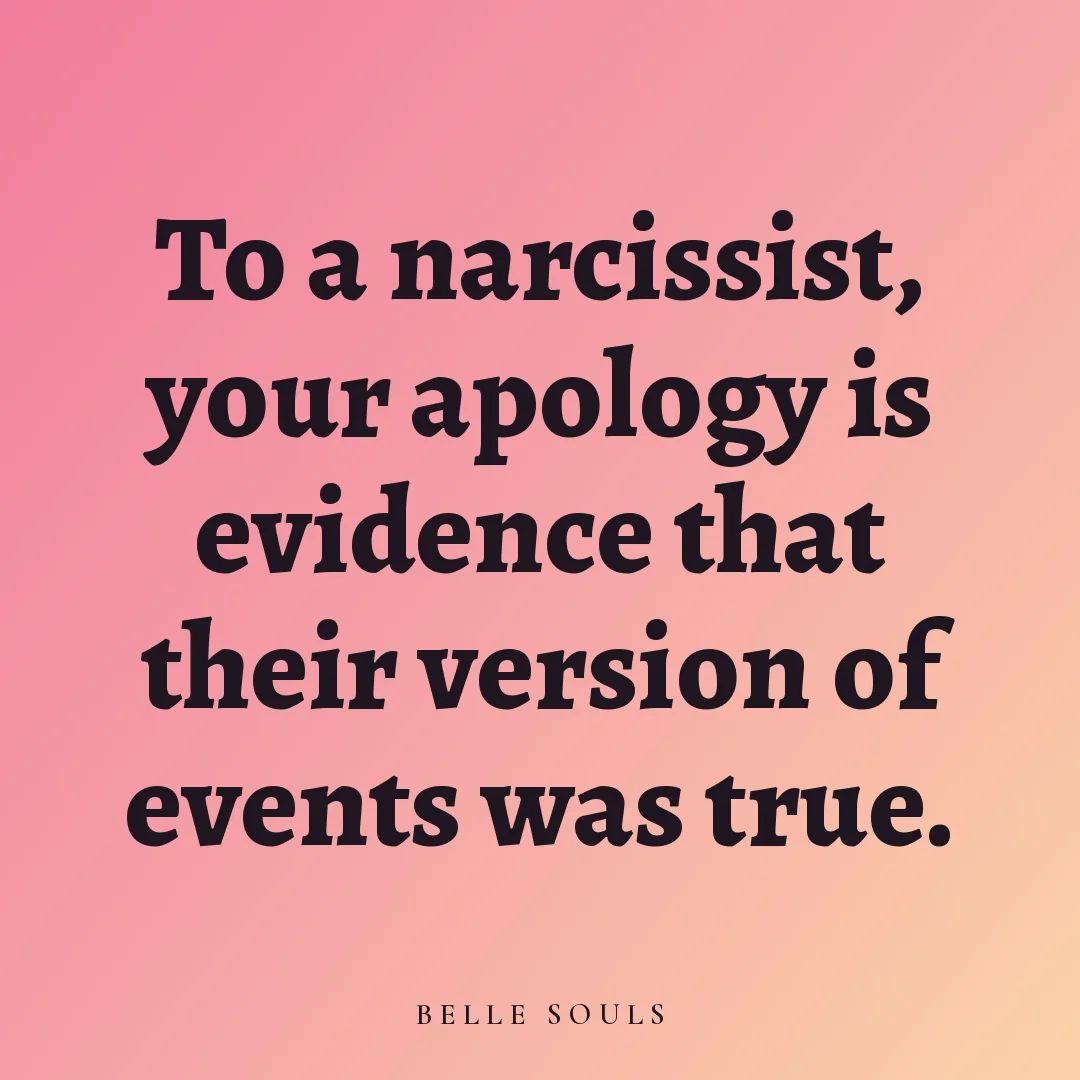
To a narcissist, your apology is evidence that their version of events was true.
“That never happened.” “You’re too sensitive.” You heard them shout. You know you did. But after an hour of this, you say sorry just so it stops.
Then doubt creeps in. Did you overreact?
Gaslighting means making you doubt your own memory so their story wins. It works best when one person holds more power and controls the story.
Each sorry for something that didn’t happen makes their story a little firmer and yours a little shakier. That’s how you end up apologising when you were the one who got hurt.
Write things down when they happen. Check them with someone outside the relationship.
A dated note on your phone can outlast an hour of “that never happened.”
#3 Silence teaches you to say sorry
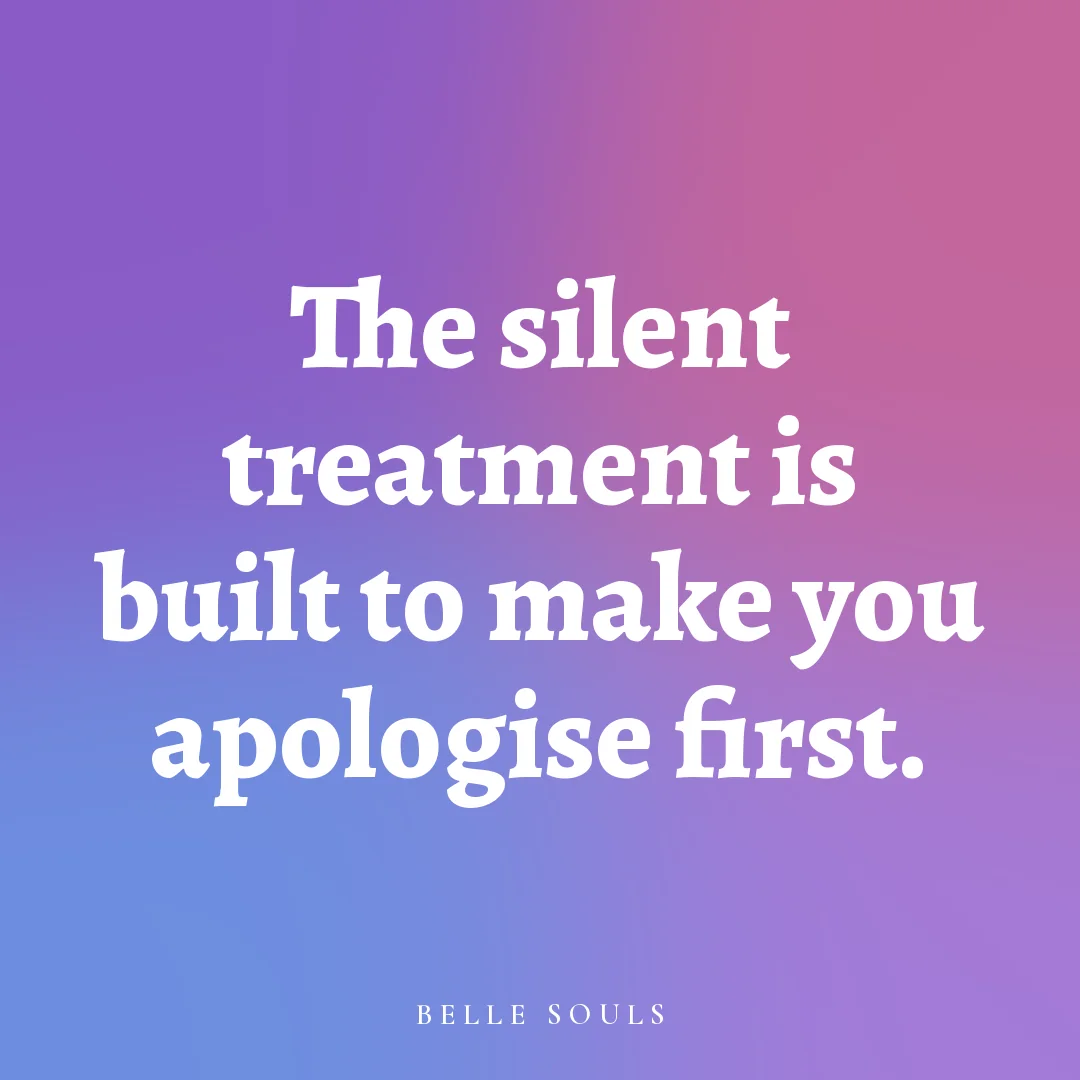
The silent treatment is built to make you apologise first.
Three days of nothing. They laugh on the phone with their sister, chat to the neighbour, and look straight through you in the kitchen.
Research on being ignored says it threatens the basic need to belong and to matter. That’s why it can hurt like physical pain, and why it pushes you to give in.
So you say sorry. For what? You’re not even sure.
Then they come back as if nothing happened. The lesson sticks for both of you: silence works.
Soon you’re steering clear of any topic that might start the next round.
Try saying once that you’re open to talking, then get on with your day. No chasing. No begging. Let the silence be theirs to carry.
#4 Your sorry doesn’t wipe the slate clean
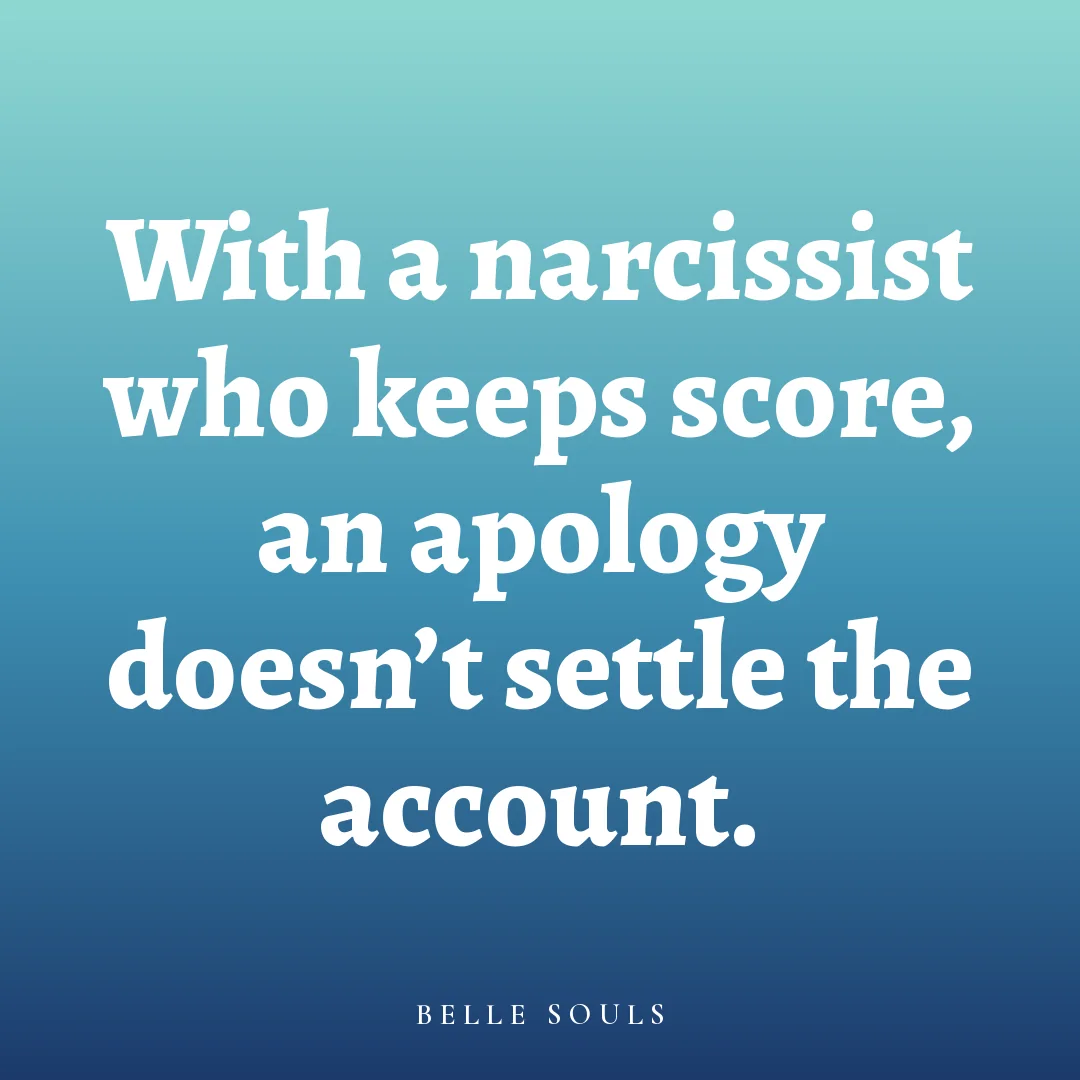
With a narcissist who keeps score, an apology doesn’t settle the account.
You said sorry for being short with them on Tuesday. They nodded. Then on Saturday, in front of friends: “Well, she can be pretty nasty when she wants.”
Research on narcissism describes a quiet, touchy side that keeps score of slights and plays the victim when challenged.
Then there’s what psychologists call threatened egotism: when their image is bruised, they’re more likely to lash out at whoever they blame, sometimes days later.
So don’t expect the slate to be clean. A slight you’ve long forgotten can come back days later, in front of an audience, with interest added.
One way to tell: watch whether their apologies ever come without a condition attached. “I’m sorry you feel that way” doesn’t count.
Has theirs ever been free?
#5 Soft spots become their ammunition
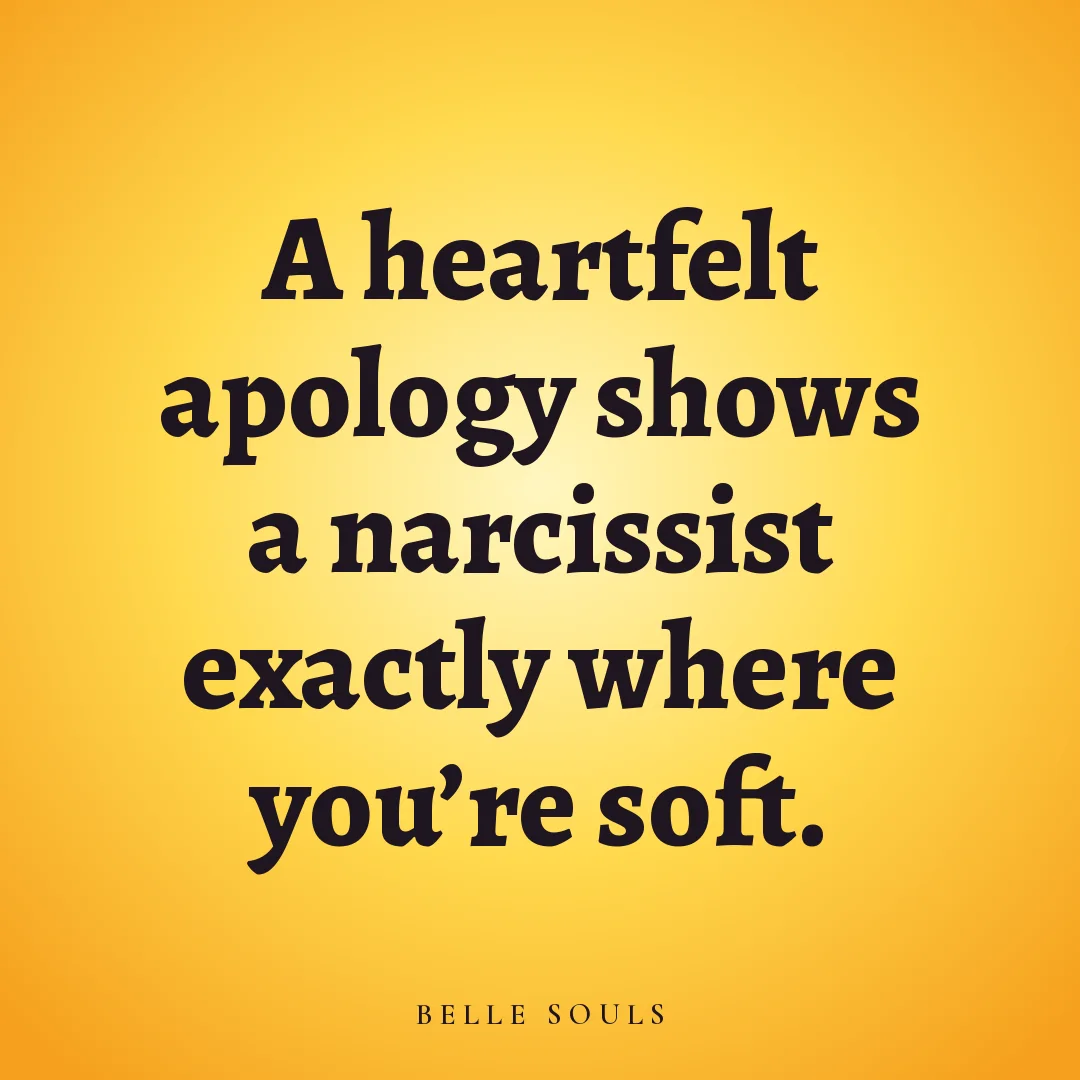
A heartfelt apology shows a narcissist exactly where you’re soft.
You don’t just say sorry. You explain. You were stressed, your dad’s been ill, and lately you’ve felt like a failure at work.
Two weeks later, mid-argument: “No wonder you’re failing at work.”
Studies on narcissism found empathy is low by default but rises when they’re prompted to take your view. That points to a choice more than an inability.
They often understand what you feel. They just don’t act on it, unless it serves them.
The details you offered to explain yourself become the details they aim at. Soon you stop sharing feelings at all, and start doubting the ones you have.
Stop explaining your pain to the person who uses it. Save it for people who hold it gently.
#6 Sorry becomes your automatic setting
After enough time with a narcissist, sorry stops being a choice and becomes a reflex.
You apologise to the waiter for his mistake. You say sorry to a chair you bumped into. You hear keys in the door and your shoulders rise.
Psychologists describe this as fawning and hypervigilance. Living with unpredictable anger trains your body to stay on alert and to calm the threat by agreeing.
That reflex was protecting you.
It’s also exhausting. It buries what you actually want, until you lose track of it completely.
Start small. When the sorry rises in your throat, notice the alarm and slow down. Try a tiny no somewhere safe, like turning down a coffee you didn’t want.
The chair you bumped into will be fine without one.
#7 You end up apologising for having needs
With a narcissist, even asking for something basic can end with you saying sorry.
You ask them to text if they’ll be late. Or to pay back the money from last month. Suddenly you’re “nagging” and “making everything about you.”
“Fine. I guess my life revolves around you now.”
There’s a name for this: entitlement, the steady belief that rules are for everyone else. It makes ordinary limits feel like insults, so your normal request lands like an attack.
So you apologise for asking. And they learn that your needs can be talked down, one sorry at a time.
Over time, you give more and get less. Asking for fairness starts to feel like starting a war.
Stop pre-forgiving, pre-agreeing and pre-paying. Keep track of what you give. Your request was fair the first time.
Saying sorry was never the problem. It’s a good instinct, and it shows you care about the people in your life.
It just belongs with people who can say it back.
So the next time the word jumps out before you’ve even thought, pause. Ask yourself one quiet question: did I actually do something wrong?
If you feel unsafe: in the US, call the National Domestic Violence Hotline at 1-800-799-7233 (thehotline.org). In the UK, call the National Domestic Abuse Helpline on 0808 2000 247. If you are in immediate danger, call your local emergency number.
Sources
- American Psychiatric Association. (2022). Diagnostic and Statistical Manual of Mental Disorders (5th ed., text rev.).
- Pincus, A. L., & Lukowitsky, M. R. (2010). Pathological narcissism and narcissistic personality disorder. Annual Review of Clinical Psychology, 6, 421-446.
- Freyd, J. J. (1997). Violations of power, adaptive blindness, and betrayal trauma theory. Feminism & Psychology, 7(1), 22-32.
- Harsey, S. J., Zurbriggen, E. L., & Freyd, J. J. (2017). Perpetrator responses to victim confrontation: DARVO and victim self-blame. Journal of Aggression, Maltreatment & Trauma, 26(6), 644-663.
- Bushman, B. J., & Baumeister, R. F. (1998). Threatened egotism, narcissism, self-esteem, and direct and displaced aggression. Journal of Personality and Social Psychology, 75(1), 219-229.
- Sweet, P. L. (2019). The sociology of gaslighting. American Sociological Review, 84(5), 851-875.
- Stern, R. (2007). The Gaslight Effect. Morgan Road Books.
- Williams, K. D. (2009). Ostracism: A temporal need-threat model. Advances in Experimental Social Psychology, 41, 275-314.
- Wink, P. (1991). Two faces of narcissism. Journal of Personality and Social Psychology, 61(4), 590-597.
- Miller, J. D., Lynam, D. R., Hyatt, C. S., & Campbell, W. K. (2017). Controversies in narcissism. Annual Review of Clinical Psychology, 13, 291-315.
- Hepper, E. G., Hart, C. M., & Sedikides, C. (2014). Moving Narcissus: Can narcissists be empathic? Personality and Social Psychology Bulletin, 40(9), 1079-1091.
- Walker, P. (2013). Complex PTSD: From Surviving to Thriving. Azure Coyote.
- Herman, J. L. (1992). Trauma and Recovery. Basic Books.
- Campbell, W. K., Bonacci, A. M., Shelton, J., Exline, J. J., & Bushman, B. J. (2004). Psychological entitlement: Interpersonal consequences and validation of a self-report measure. Journal of Personality Assessment, 83(1), 29-45.
Belle Souls articles explain patterns described in psychology research and recovery writing. They are not a diagnosis and not a substitute for help from a qualified professional.
10 Painful Ways Narcissists Treat Their Kids

You can be fully grown and still feel eight years old when a parent sighs at you.
You may question your feelings before you even name them.
You may work hard for love, hide good news, or apologise when you have done nothing wrong.
These habits did not appear from nowhere.
They can grow in a home where one parent’s image, comfort, and control matter more than a child’s inner life.
That does not mean you must diagnose anyone or dismiss every difficult memory.
It means you can notice the pattern, understand what it taught you, and choose something healthier now.
Why narcissistic parenting can be so confusing
A narcissistic parent may look charming, generous, or devoted when other people are watching. At home, the same parent may be cold, intrusive, mocking, or impossible to please.
That gap can leave you wondering whether your memories count. If everyone else admired your parent, perhaps you were the problem. If kindness sometimes followed cruelty, perhaps you were being unfair.
But healthy parenting is not measured by impressive holidays, public praise, or occasional affection. It is measured by whether a child can have feelings, needs, privacy, mistakes, and a separate identity without fearing humiliation or withdrawal.
Narcissistic behaviour often protects a fragile sense of importance. A child may be treated as an admirer, a possession, a rival, or proof of the parent’s success. Control then gets called concern, and obedience gets called closeness.
You do not need certainty about a label to take your experience seriously. Look at repeated behaviour and its effect on you. The question is not only what your parent intended. It is also what you had to become to feel safe around them.
#1 Your feelings were always too much
Your sadness was dramatic. Your anger was disrespectful. Even your excitement could be called embarrassing if it arrived at the wrong moment.
Imagine coming home after being excluded by your closest friends. You begin explaining what happened, but your mother keeps scrolling on her phone. Then she sighs and tells you to toughen up because she has real problems.
The lesson is not merely that this one problem does not matter. You learn that having an emotional need makes you inconvenient.

A parent focused on protecting their comfort may dismiss emotions they cannot control or use. Your pain asks them to pause, listen, and let someone else occupy the centre of the room. Minimising it quickly restores the attention and authority they prefer.
As an adult, you may say “I’m fine” automatically, apologise for crying, or need another person to approve every feeling before you trust it.
Start by naming your response without putting it on trial: hurt, frightened, disappointed, angry. Write down what happened and what you needed. Share vulnerable feelings with people who respond consistently and respectfully.
Your emotions do not have to be convenient to be real.
#2 Love came and went without warning
One evening your father brought home ice cream, told funny stories, and made you feel chosen. The next morning, he walked past you without answering because you had annoyed him somehow.
You watched his face, voice, and footsteps for clues. If you could behave perfectly, perhaps the warm parent would return.
Unpredictable affection creates a powerful chase. Rare tenderness can feel especially precious when it follows distance or fear. You begin judging the relationship by its brightest moments instead of the atmosphere you live in most days.

A parent may use warmth to reward agreement and coldness to punish independence. Whether or not it is planned, the changing temperature keeps everyone attentive to that parent’s mood.
Later, inconsistency may feel familiar enough to resemble chemistry. You may work harder when a partner withdraws, treating the next affectionate moment as proof that the relationship is finally changing.
Judge people by the whole pattern. Ask how you feel on an ordinary Tuesday, not only after an apology, gift, or wonderful weekend. Keep contact predictable on your side, and step back when someone repeatedly uses closeness as a reward.
On an ordinary Tuesday, notice whether the care is steady or still feels like a prize you must win.
#3 You existed to make them look good
Your clothes, grades, hobbies, friends, and career may have been treated as parts of your parent’s public display.
Perhaps your mother chose ballet when you wanted football. Years later, she pushed you toward law because telling people about an artistic child did not produce the admiration she wanted. When you objected, she described your choice as an insult after everything she had sacrificed.
The hidden rule was simple: you could succeed, but only in a way that reflected well on her.

When a parent relies heavily on outside approval, a child’s individuality can feel threatening. Your separate preferences prove that you are not an extension they can arrange. Shame, guilt, or financial pressure may be used to pull you back into position.
You might now struggle to distinguish desire from duty. Before a decision, ask what you would choose if nobody praised or criticised you. Try small experiments that belong only to you: a class, haircut, weekend plan, or private creative project.
You do not need to announce every choice or persuade your parent to approve it. Information can be shared after a decision, or not at all, especially if disclosure reliably brings pressure.
Choose one small thing that belongs only to you this week, and let it remain yours.
#4 Silence was the punishment
Some punishments made no sound. Your parent stopped looking at you, answering ordinary questions, or acknowledging that you were in the room.
You might have asked to sleep at a friend’s house and then endured three days of silence. At dinner, your mother laughed with your sibling while passing food around you. Eventually you apologised for wanting anything at all.
A healthy pause has a clear purpose and an ending: someone says they need time to settle down and promises to return. Punitive silence leaves you guessing and makes connection conditional on surrender.

For a controlling parent, withdrawal can restore power without an open argument. Everyone becomes preoccupied with winning them back, while the original concern disappears.
You may now panic when a message goes unanswered or over-explain at the first hint of distance. Remind yourself that another adult’s silence is information, not a command to abandon your needs.
If this still happens, you can say once that you are available for a respectful conversation. Then return to your plans. Do not chase, beg, or accept blame simply to make the discomfort stop.
If contact feels threatening rather than merely unpleasant, seek support and prioritise distance. When the room goes silent, take your keys and return to your plans.
#5 They laughed at what you loved
The things you treasured gave your parent an easy map of where you were most tender.
Your father might have found a poem in your room and performed it in a foolish voice at Sunday lunch. When your face turned red, he called you humourless. Everyone was expected to laugh, and your hurt became further entertainment.
Playful teasing includes warmth and stops when someone is uncomfortable. Humiliation continues because the discomfort is the point, or because making you smaller lets the parent feel clever and powerful.

You may have responded by becoming unreadable. You hid music, stopped drawing, or acted indifferent toward people you liked. Even now, sharing unfinished work can feel like handing someone a weapon.
Protecting tender interests is not dishonesty. Give access gradually to people who handle small disclosures kindly. Notice whether they become curious, supportive, or competitive. You can also return privately to something you abandoned, without turning it into a performance or achievement.
If mockery begins, you do not have to prove that the joke was cruel. End the call, change seats, or stop sharing that part of your life. A boundary can be an action rather than an argument.
Return privately to one thing you stopped doing, and share it only with someone who handles it kindly.
#6 Every win of yours became theirs
Your achievement became evidence of your parent’s talent, sacrifice, or superior guidance.
You studied for months and earned a scholarship. At the celebration, your mother told every guest that you inherited her intelligence and succeeded because she pushed you. People congratulated her while you stood beside your own cake.
Behind closed doors, she may also have criticised every imperfect result. Public pride and private pressure can coexist when the real goal is preserving an impressive family image.

A parent who feels entitled to your success may see your work as family property. Taking credit supplies admiration, while admitting your independence would require giving up the centre of the story.
This can make achievement strangely empty. You might minimise your wins, fear becoming visible, or keep producing more because nothing ever feels fully yours.
Practice recording the facts in plain language: what you attempted, what effort you made, and what skills you used. Celebrate with people who can focus on you without competing. You may keep important news private until you have enjoyed it safely.
If your parent claims the moment, you do not need a public correction unless that feels useful and safe. Quiet ownership still counts.
Before telling anyone else about your next win, write down what you did and celebrate with someone who can keep the focus on you.
#7 A closed door meant nothing

Your diary was read, your room was searched, and your private conversations became family business. Any objection was treated as proof that you were hiding something.
The same pattern can continue after you leave home. Your mother expects your passwords, wants details about your relationship, and becomes wounded when you book a holiday before consulting her. She calls this closeness.
But closeness allows two separate people to choose what they share. Control treats access as a right.

A narcissistic parent may experience your privacy as rejection or lost authority. If your partner, friends, or independent plans reduce their influence, they may create guilt, emergencies, or suspicion to draw you back.
You may feel dishonest simply for keeping a conversation private. Begin with one manageable boundary: delay answering a message, make one decision without permission, or keep financial details to yourself. Use passwords and practical privacy measures if access has been ignored before.
You do not owe a long defence. A brief response such as “I have it handled” gives less material for debate. If resistance escalates, strengthen support outside the family and choose the level of contact that feels safe.
Privacy is not betrayal. Your adult life is allowed to have a door, and you decide who receives a key.
#8 Good news made them go cold
You called with news of a promotion and heard a pause before your parent warned you not to become arrogant. A joyful announcement somehow ended with you reassuring them.
Other celebrations may have been spoiled more openly. A birthday dinner became an argument. Your new relationship prompted criticism. Your graduation was overshadowed by a complaint about seating or travel.
When a parent needs to feel superior or central, your happiness can register as competition. Minimising the achievement, finding a flaw, or creating a crisis puts attention back where they want it.

After enough repetitions, you may hide good things, soften your excitement, or wait for disaster whenever life goes well. That is an old protective response, not evidence that joy is unsafe everywhere.
Choose the order in which people receive your news. Tell supportive friends first, let their warmth settle in, and contact your parent later if you wish. Protect celebrations with separate transport, time limits, and a plan to leave if the mood shifts.
You can answer a cutting comment without defending the achievement: “I’m pleased with it.” Then redirect or end the exchange.
For the next piece of good news, tell someone who expands when you shine before contacting anyone who needs you dimmer.
#9 You became the parent

You learned adult worries before you had the power to solve them.
At ten, you sat on your mother’s bed while she described her marriage, money problems, and loneliness. You kept secrets, watched younger siblings, and measured your requests against how overwhelmed she seemed.
Relatives may have praised you for being mature. Yet this was not ordinary responsibility. Healthy chores teach competence; carrying a parent’s emotional life teaches a child that care must flow in one direction.

A self-focused parent may turn to a child because the child is available, loyal, and easier to control than another adult. Your comfort becomes expected, while your own fear or exhaustion disappears from view.
Today you may anticipate everyone’s needs, feel guilty while resting, or attract people who want a rescuer. Asking for help can feel dangerous because usefulness once protected your place in the family.
Try noticing the moment support becomes responsibility. You can care without taking over. Pause before volunteering, let capable adults solve their own problems, and give yourself time before answering requests.
A counsellor, support group, or trustworthy friend can help you practise receiving without immediately repaying. Start small: accept a meal, ask for a lift, or tell the truth when you are tired.
You deserved care before you ever proved yourself useful.
#10 One child shines, the other takes the blame
One sibling was praised as gifted and loyal. Another was described as difficult, selfish, or unstable. The evidence changed, but the roles stayed remarkably fixed.
Your sister might forget your mother’s birthday and receive a laugh, while your forgotten phone call becomes family history. Or perhaps you were the praised child, terrified that one mistake would send you to the other side.
These roles simplify a complicated family. The favoured child supports the parent’s ideal image; the blamed child carries anger and problems nobody wants to examine.

Neither position is genuine safety. The scapegoated child is openly hurt. The golden child learns that love depends on performance and agreement. Comparisons keep siblings competing, which makes it harder for them to compare experiences and recognise the larger pattern.
As an adult, step out of the assigned script. Describe specific behaviour instead of repeating family labels. Limit conversations that invite you to criticise a sibling, carry messages, or prove whose memories are correct.
A sibling relationship may improve if both people can speak honestly and respect boundaries, but reconciliation is not required. Sometimes distance is the healthiest option, especially when a sibling continues the parent’s attacks.
The next time a comparison begins, describe the specific behaviour instead of accepting the role assigned to you.
How do you know whether it was abuse or just imperfect parenting?
Every parent becomes distracted, loses patience, or handles a moment badly. The difference usually appears in the pattern and in what happens afterward.
An imperfect but emotionally safe parent can hear that they hurt you. They may feel uncomfortable, yet they can apologise, repair the situation, and try something different. Your needs do not become a permanent attack on their character.
In a harmful pattern, the same behaviour continues despite its effect. Your parent denies the event, rewrites it, blames your reaction, demands immediate forgiveness, or punishes you for mentioning it. You learn that peace depends on pretending nothing happened.
Ask practical questions. Were you allowed to disagree without losing affection? Could you make age-appropriate mistakes? Did privacy and independence increase as you grew? Was comfort available when your feelings did not flatter your parent?
You do not need to prove that every childhood memory was terrible. Good moments can exist beside damaging ones. Nor must you select the perfect label before setting boundaries.
If an interaction repeatedly leaves you frightened, ashamed, confused, or responsible for another adult’s emotions, you are allowed to take that effect seriously. The goal is not to win a case against your parent. It is to understand what helps you feel safe and whole now.
Why do you still feel guilty when you set a boundary?
Because guilt may once have been the alarm that brought you back into line.
Perhaps saying no led to tears, accusations, silence, or a lecture about sacrifice. Agreeing made the tension stop. Your body learned that compliance brought short-term relief, even when it cost you time, privacy, or self-respect.
That old alarm can sound when you decline a visit or wait until tomorrow to answer a message. Its presence does not prove the boundary is cruel. It may simply mean the choice is unfamiliar.
Before changing your decision, separate responsibility from discomfort. Did you insult someone, break an agreement, or cause avoidable harm? If not, you may be feeling conditioned guilt rather than evidence that you acted badly.
Keep boundaries short and behavioural. Decide when you will visit, which subjects you will discuss, and what you will do if shouting starts. Repeating a long explanation can turn your limit into a negotiation.
Expect the feeling to lag behind the action. You can be guilty and still go home. You can feel anxious and still silence your phone for the evening.
With practice, the alarm often becomes less commanding. Until then, let your values guide you: kindness includes honesty, and love does not require unlimited access.
Can a narcissistic parent ever change?
People can change behaviour, but wanting the possibility is different from having evidence that it is happening.
Real change is not a tearful apology followed by the same punishment next week. It is a sustained pattern of taking responsibility, respecting limits, tolerating disagreement, and repairing harm without demanding praise for trying.
Watch what happens when there is no immediate reward. Does your parent respect a boundary they dislike? Can they hear a specific concern without turning themselves into the victim? Do they seek appropriate help and continue the work after the family crisis passes?
You cannot create those choices by finding better words, being more patient, or explaining your pain one final time. Building your life around their potential can keep you waiting in the same emotional room for years.
Hope does not require access. You can wish someone well while limiting calls, meeting only in public, or having no contact. You can revise those choices if dependable change becomes visible.
Let actions over time carry more weight than promises, gifts, dramatic gestures, or other relatives’ pressure. You do not have to test a parent’s progress with your own wellbeing.
The central question is not whether change is theoretically possible. It is whether the relationship available to you now is respectful and safe enough to participate in.
What if your family says you are remembering it wrong?
Family members can remember the same home differently. They may also protect a familiar story because acknowledging your experience would disrupt relationships they depend on.
A sibling who was favoured may sincerely recall a generous parent. A relative may have seen only public charm. Someone who knew about the behaviour may minimise it to avoid facing their own failure to help.
You do not need unanimous agreement before trusting a repeated pattern. Record incidents privately while details are fresh: what was said, what happened next, and how you responded. Save messages if doing so is safe. The purpose is to steady your own memory, not prepare for a courtroom debate.
Choose carefully whom you ask for validation. A person who immediately carries your words back to the parent is not a safe witness. Look for someone who can listen without forcing reconciliation or demanding that you excuse harm.
When relatives argue, you can end the loop: “We remember it differently, and I am not debating my experience.” Then change the subject or leave.
Certainty may arrive gradually. You can still protect yourself while some memories remain incomplete. What matters is that the present pattern is clear enough to guide your choices.
How can this childhood affect your adult relationships?
Childhood rules can follow you into friendships, work, and love because they once helped you stay connected.
You may monitor facial expressions, rush to fix tension, or assume a delayed reply means rejection. Praise may make you suspicious, while inconsistency feels exciting. You might reveal too much too quickly, or hide every need until resentment spills out.
Some people become caretakers who rarely receive. Others protect themselves through distance, perfectionism, or leaving before anyone can disappoint them. These responses are understandable adaptations, not permanent personality flaws.
Begin by noticing the moment the old rule appears. When you think, “I must solve this now,” pause and ask what the present facts show. Has this person actually blamed you? Can the conversation wait until both of you are calm?
Healthy relationships make room for two minds. A safe person can hear no, apologise without collapsing, celebrate your success, and remain basically consistent through disagreement. You should not have to perform usefulness to earn a place.
Move at a pace that lets you observe patterns. Keep friendships, money, transport, and private time of your own. If a relationship becomes controlling or frightening, seek outside support rather than trying to manage the person alone.
Familiar does not always mean safe. You are allowed to learn a new kind of closeness.
What you can do
Put safety before explanations
If a parent threatens, stalks, controls money, or becomes frightening when you pull away, do not announce a boundary that could increase danger. Speak privately with a domestic abuse service, counsellor, or trusted person.
Protect documents, transport, passwords, and a safe place to go. Leaving, reducing contact, or asking for practical help is always valid.
Choose one boundary you can enforce
Start with an action under your control. You might end calls when insults begin, stop discussing your relationship, or visit for one hour instead of an afternoon.
State it briefly if that feels safe, then follow through. A boundary does not require agreement. It describes what you will do when a certain behaviour occurs.
Build support outside the old system
Tell one trustworthy person what family life is actually like. Consider a qualified therapist or peer support space that understands controlling family dynamics.
Keep notes about patterns and progress. Recovery can also include ordinary care: sleep, medical appointments, enjoyable routines, and relationships in which you are not always the responsible one.
The bottom line
A narcissistic parent may have taught you that love requires silence, performance, usefulness, or surrender. Those lessons can feel automatic, but they are not permanent truths.
You can believe the effect of what happened without diagnosing your parent or persuading your family. You can protect good news, choose privacy, stop carrying adult emotions, and build relationships where care moves both ways.
Go gently with the child you were. That child adapted to a confusing home with the tools available. The adult you are now can choose safety, support, and a life that no longer revolves around someone else’s approval.
Keep reading
- 10 Textbook Examples of Narcissistic Abuse
- 5 Ways Narcissists Quietly Isolate You
- 8 Ways to Take Your Power Back From a Narcissist Without a Fight
Sources
- American Psychiatric Association. (2022). Diagnostic and Statistical Manual of Mental Disorders (5th ed., text rev.).
- Pincus, A. L., & Lukowitsky, M. R. (2010). Pathological narcissism and narcissistic personality disorder. Annual Review of Clinical Psychology, 6, 421-446.
- Herman, J. L. (1992). Trauma and Recovery. Basic Books.
- Bancroft, L. (2002). Why Does He Do That? Inside the Minds of Angry and Controlling Men. Berkley.
- Hepper, E. G., Hart, C. M., & Sedikides, C. (2014). Moving Narcissus: Can narcissists be empathic? Personality and Social Psychology Bulletin, 40(9), 1079-1091.
- Ferster, C. B., & Skinner, B. F. (1957). Schedules of Reinforcement. Appleton-Century-Crofts.
- Dutton, D. G., & Painter, S. (1993). Emotional attachments in abusive relationships: A test of traumatic bonding theory. Violence and Victims, 8(2), 105-120.
- Williams, K. D. (2009). Ostracism: A temporal need-threat model. Advances in Experimental Social Psychology, 41, 275-314.
- Buckels, E. E., Jones, D. N., & Paulhus, D. L. (2013). Behavioral confirmation of everyday sadism. Psychological Science, 24(11), 2201-2209.
- Campbell, W. K., Bonacci, A. M., Shelton, J., Exline, J. J., & Bushman, B. J. (2004). Psychological entitlement: Interpersonal consequences and validation of a self-report measure. Journal of Personality Assessment, 83(1), 29-45.
- Goffman, E. (1959). The Presentation of Self in Everyday Life. Doubleday.
- Minuchin, S. (1974). Families and Family Therapy. Harvard University Press.
- Krizan, Z., & Johar, O. (2012). Envy divides the two faces of narcissism. Journal of Personality, 80(5), 1415-1451.
- Jurkovic, G. J. (1997). Lost Childhoods: The Plight of the Parentified Child. Brunner/Mazel.
- Bowen, M. (1978). Family Therapy in Clinical Practice. Jason Aronson.
- McBride, K. (2008). Will I Ever Be Good Enough? Healing the Daughters of Narcissistic Mothers. Free Press.
Belle Souls articles explain patterns described in psychology research and recovery writing. They are not a diagnosis and not a substitute for help from a qualified professional.
30+ Times Walmart Shoppers Turned Grocery Runs Into Comedy Gold

A trip to Walmart is an adventure in its own right, and it’s nearly certain that each excursion will provide at least one unforgettable encounter or experience. From bizarre fashion choices to peculiar customer interactions, Walmart patrons often immerse themselves in a microcosm of society’s quirks and idiosyncrasies. It’s a place where the ordinary can swiftly transform into the extraordinary, making each visit a potential journey into the unknown. So, while Walmart undoubtedly offers a treasure trove of goods and deals, it also serves as a stage where everyday life’s peculiar and remarkable stories unfold.
Epic “I Quit” Moments That Will Leave You in Awe

In life, there inevitably come moments when the sheer weight of a situation becomes too burdensome to bear. Those instances make one feel compelled to throw in the towel and utter those two simple words: “I quit.” These moments can arise when circumstances push one beyond one’s limits, testing one’s patience and resilience to the extreme. Such moments have a unique way of etching themselves into our memory, marking a turning point in our lives. And it’s precisely these extraordinary “I quit” moments that people have chosen to share on the expansive platform of Reddit, where communities converge to recount their epic tales of deciding to call it quits.
Power Couples of the Pitch: Footballers and Their Famous Partners

For some reason, successful athletes frequently enter romantic relationships with celebrities from the worlds of music, film, television, or even individuals known as presenters or models. This phenomenon can be attributed to their shared experience of public scrutiny and the pressures that come with being at the forefront of their careers. When both partners share these commonalities, they often have a deep understanding of each other and the patience required to navigate their demanding lifestyles. Below, we’ll look at a list of soccer players who found love with women already established in the entertainment world when they crossed paths.
Social Media Is the New Best Friend You Never Expected

Telling the truth isn’t always simple. Sometimes skipping a small detail doesn’t really count as lying. And thanks to the internet, people can hide their identity and talk about anything they want. For many, it actually feels easier to share secrets with strangers online than with their own families. Think of it like a giant chatroom where you can spill your thoughts without worrying about judgment. The stories below show how people chose to open up to the online world instead of the people sitting right next to them at home.